Selecting the right sulfur hexafluoride circuit breakers for your electrical system requires careful consideration of voltage rating compatibility and operational requirements. System voltage is the foundational criterion that determines which SF6 breaker will operate safely, reliably, and within design specifications. Mismatched voltage ratings lead to catastrophic failures, compromised protection, and equipment damage that can shut down entire industrial facilities.
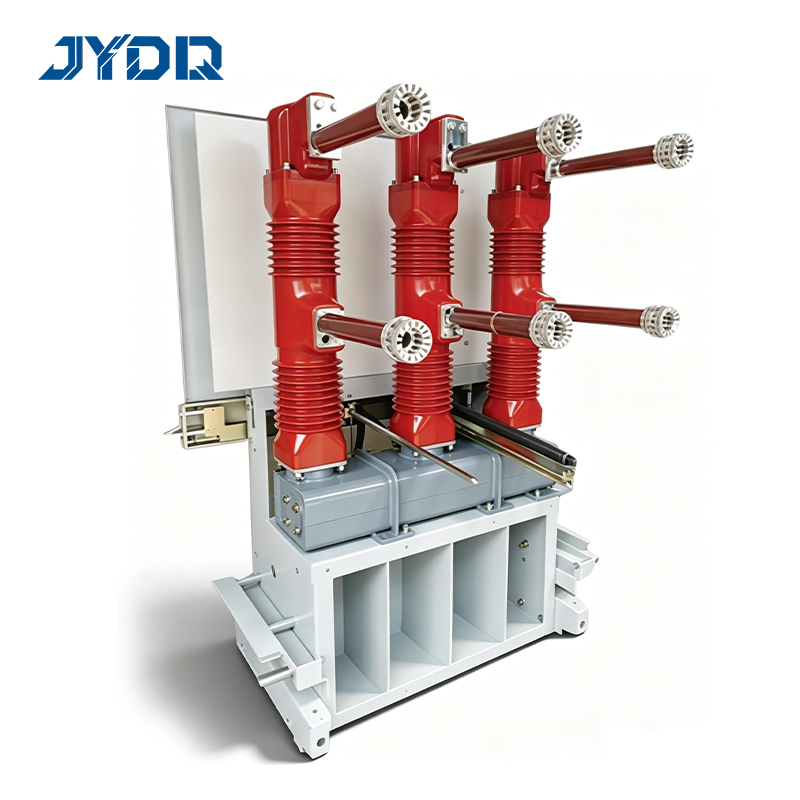
The selection process for SF6 breaker equipment is structured around matching the breaker voltage rating to your system's nominal operating voltage and peak transient overvoltages. This article provides a comprehensive framework for understanding voltage classification, selection methodology, and practical installation considerations that ensure your electrical infrastructure performs reliably under all operating conditions.
Understanding Voltage Rating Classifications for SF6 Breakers
Nominal and Maximum Voltage Parameters
Voltage rating defines the operational envelope within which an SF6 breaker can function safely. Every sulfur hexafluoride circuit breaker carries two critical voltage specifications: nominal voltage and maximum voltage rating. Nominal voltage represents the system's intended operating level, typically ranging from 72.5 kV to 765 kV in high-voltage networks. Maximum voltage rating provides headroom above nominal to accommodate transient overvoltages and switching surges that naturally occur during normal grid operations.
The voltage rating on an SF6 breaker nameplate indicates the highest sustained voltage the equipment can safely interrupt without thermal or dielectric degradation. This rating accounts for the insulation strength of porcelain bushings, the dielectric properties of sulfur hexafluoride gas, and the mechanical design of contacts and moving assemblies. Selecting a breaker with insufficient voltage rating leaves your system vulnerable to insulation breakdown and arc initiation during fault clearing operations.
Common Industrial Voltage Ratings
Industrial and utility applications employ standardized voltage rating classifications established by international standards. Medium-voltage SF6 breaker systems operate at 15 kV, 27 kV, and 38 kV ratings, commonly deployed in factory distribution networks and renewable energy interconnections. High-voltage applications utilize 110 kV, 138 kV, 230 kV, and 345 kV rated equipment for transmission systems and major industrial installations. Extra-high-voltage sulfur hexafluoride circuit breakers at 500 kV and 765 kV handle bulk power transmission where system reliability drives operational continuity across regional grids.
Key Selection Criteria Beyond Voltage Rating
Matching System Configuration to Breaker Design
System voltage rating alone does not determine complete SF6 breaker suitability. Your electrical configuration—whether grounded or ungrounded, wye or delta, isolated neutral or solidly grounded—influences the transient voltage stresses that the breaker must withstand. A solidly grounded three-phase system produces different voltage transients compared to resistance-grounded or ungrounded networks operating at the same nominal voltage. Selection must account for your system's grounding arrangement to ensure the SF6 breaker's dielectric margin accommodates actual voltage stresses present in your specific network configuration.
Switching duties also affect voltage rating requirements. Capacitive switching operations during line energization produce voltage transients exceeding normal switching surges and demand breakers rated for higher duty cycles. Inductive current interruption and fault clearing impose different stress profiles on the breaker's SF6 gas chamber and contact system. Industrial selection processes therefore cross-reference system voltage rating with anticipated switching duties to confirm the breaker's voltage rating provides adequate safety margin under all operating scenarios.
Interrupting Current Capacity and Coordination
Voltage rating and interrupting capacity form interconnected selection parameters. An SF6 breaker's interrupting rating—specified in kiloamperes (kA)—defines the maximum short-circuit current the breaker can safely clear at its rated voltage rating. Higher voltage systems often experience lower available short-circuit currents due to transmission line impedance, while medium-voltage distribution networks may present significantly higher fault currents at the same percentage of system voltage. This relationship requires engineers to calculate available fault current at each breaker location and confirm the SF6 breaker's voltage rating and current rating combination meets or exceeds the calculated duty.
Implementation Strategy and Verification Process
Documentation and Standard Compliance
Proper selection of sulfur hexafluoride circuit breakers begins with comprehensive system documentation specifying nominal voltage, maximum voltage under transient conditions, available fault current, and switching duties. IEEE and IEC standards provide voltage rating guidelines and selection matrices that correlate system voltage to appropriate SF6 breaker classifications. Your selection process should reference IEEE C37.06 for preferred voltage ratings and IEC 62271-100 for international equivalency standards. This documentation becomes the foundation for procurement specifications and installation verification that confirm the delivered equipment matches the selected voltage rating and operates within design parameters.
Nameplate verification during installation ensures the physical breaker matches the voltage rating specified in design documents. Inspect the SF6 breaker nameplate for rated voltage, serial number, and manufacturing specifications. Cross-reference these details against purchase orders and system single-line diagrams to confirm correct equipment arrived and is installed in the correct switchgear position. Incomplete verification at this stage allows incompatible breakers to enter service and compromise system protection effectiveness.
Testing and Commissioning Protocols
Factory acceptance testing (FAT) and site acceptance testing (SAT) validate that your SF6 breaker meets the specified voltage rating before energization. Dielectric withstand tests apply high-voltage impulses to verify insulation strength and confirm the breaker's voltage rating provides adequate safety margin under transient overvoltages. Contact resistance measurements and gas quality verification confirm the breaker's SF6 component meets design specifications. These tests provide documented evidence that the installed sulfur hexafluoride circuit breaker is capable of performing its protection function throughout the intended service life.
FAQ
Can a 138 kV rated SF6 breaker operate safely on a 110 kV system?
Yes, a 138 kV rated sulfur hexafluoride circuit breaker can safely operate on a 110 kV system because the breaker voltage rating exceeds the system voltage. The breaker maintains its full dielectric margin and switching capacity at the lower system voltage. However, this approach represents oversizing and increases equipment cost without corresponding operational benefit. Standard practice matches the breaker voltage rating as closely as possible to system voltage to optimize cost-effectiveness while maintaining adequate protection margins.
How does system grounding affect SF6 breaker voltage rating selection?
System grounding influences transient voltage stresses that the SF6 breaker must interrupt. Solidly grounded systems produce lower maximum transient voltages compared to ungrounded or resistance-grounded configurations at the same nominal voltage rating. Your selection process must incorporate the specific grounding arrangement to calculate accurate transient overvoltage values and confirm the sulfur hexafluoride circuit breaker voltage rating provides appropriate safety margin for the actual stresses present in your network configuration.
What voltage rating should be specified for a new industrial power distribution system at 27 kV nominal?
For a new 27 kV industrial distribution system, SF6 breakers rated at 27 kV nominal voltage with maximum voltage rating of 29.4 kV meet standard specifications for typical utility-connected industrial facilities. This voltage rating provides adequate dielectric margin for normal transient overvoltages while maintaining cost-effective equipment selection. Isolated or remote applications with extended transmission lines may warrant evaluation of higher voltage ratings to accommodate enhanced transient stress conditions specific to your system configuration.

 EN












