Before energizing a dry-type transformer, proper commissioning and pre energization inspection procedures are non-negotiable. Equipment failure, safety hazards, and operational downtime stem directly from skipped or incomplete checks. Understanding what to verify before startup protects your investment, ensures worker safety, and confirms the unit meets design specifications. This guide covers the essential steps every facility manager and electrical team must follow when bringing a dry-type transformer online.
The commissioning process for a dry-type transformer is structured, methodical, and demands attention to mechanical condition, electrical integrity, and operational readiness. Industrial facilities cannot afford guesswork when handling high-voltage equipment. Each pre energization checkpoint identifies potential defects, manufacturing damage, transportation harm, or installation errors before they become catastrophic failures. Proper inspection at this stage is the single most cost-effective risk mitigation measure available.
Physical Inspection and Mechanical Verification
External Condition Assessment
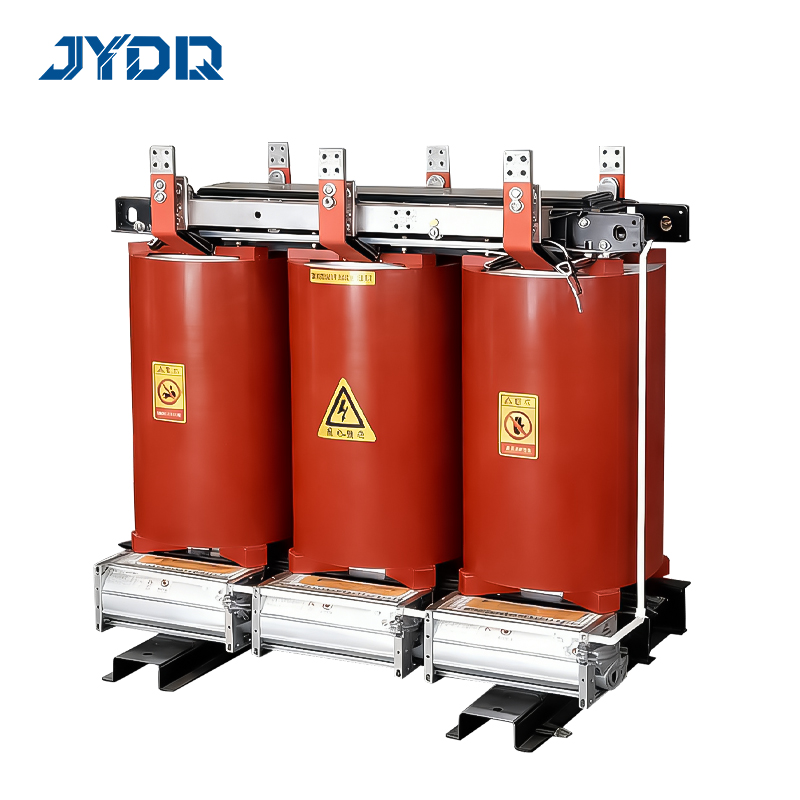
Begin commissioning by performing a thorough visual examination of the dry-type transformer's external surfaces and components. Look for physical damage, dents, cracks, or corrosion that may have occurred during manufacture, transport, or installation. Check the condition of cooling fins, nameplate clarity, and terminal lugs for completeness and proper attachment. Verify that all mounting hardware is secure and that the unit sits level on its foundation or support structure.
During pre energization inspection, examine cable entries and sealing systems to ensure no gaps, moisture pathways, or contamination points exist. Confirm that all protective covers, warning labels, and connection diagrams remain intact and legible. Ensure the transformer core and winding assembly show no visible water damage, discoloration, or signs of exposure to environmental contaminants.
Core and Winding Condition
The internal core and winding structure of a dry-type transformer represents the unit's operational foundation. Remove any shipping restraints, protective covering, or transport packaging before commissioning begins. Inspect accessible winding surfaces for moisture, dust accumulation, or foreign material. Verify that no debris, packing foam, or manufacturing residue remains inside ventilation ducts or cooling passages.
For commissioning purposes, confirm that the core laminations appear clean and that no signs of insulation degradation, moisture absorption, or thermal damage are visible. If your dry-type transformer includes accessible drain or relief ports, check that they are properly closed and sealed after transport. Verify that all internal supports and bracing mechanisms remain undamaged and aligned.
Electrical Testing and Continuity Verification
Insulation Resistance Measurement
Insulation resistance testing is a critical pre energization checkpoint that must precede all high-voltage energizing operations. Use a calibrated megohmmeter (typically 500V to 5kV depending on transformer voltage rating) to measure resistance between primary and secondary windings and between each winding and ground. Record all readings and compare them against manufacturer specifications or industry standards. Acceptable insulation resistance typically ranges from 100 megohms to several thousand megohms depending on transformer size and design.
During dry-type transformer commissioning, low insulation resistance readings—particularly values below 100 megohms—indicate potential moisture contamination or winding degradation. If readings fall below acceptable thresholds, do not proceed with energizing. Investigate the cause, consider drying procedures if moisture is suspected, and retake measurements before attempting startup. Document all insulation resistance results as part of your commissioning record.
Continuity and Polarity Testing
Commissioning procedures must include continuity testing across all primary and secondary terminals and connections. Use an ohmmeter to verify that each winding has acceptable resistance and that no open circuits exist within coils or tap connections. Test continuity from transformer terminals through to the final connection points, ensuring no loose connections or improper terminations compromise electrical continuity.
Polarity testing is essential before pre energization, particularly for three-phase transformers or units with multiple tap connections. Confirm that primary and secondary winding polarities match the nameplate configuration and installation drawings. For banks of transformers, verify that polarity alignment across all units will prevent phase shift or vector group conflicts. Incorrect polarity discovered during commissioning prevents equipment damage and protects downstream loads.
System Preparation and Load Readiness
Grounding and Bonding Verification
Proper grounding is foundational to safe commissioning and operation of any dry-type transformer. Verify that all required grounding connections—including secondary neutral, transformer frame, and associated equipment bonding—are installed, torqued to specification, and mechanically secure. Test grounding resistance using appropriate measurement equipment, confirming that values meet applicable electrical codes and standards for your facility and voltage class.
During pre energization inspection, ensure that grounding conductors are properly sized, undamaged, and connected to effective earth points or ground buses. Verify that grounding connections will not vibrate loose during transformer operation. Check that bonding paths between the dry-type transformer case and all associated metal enclosures, cable trays, and structural steel are complete and resistant to corrosion.
Load and Circuit Protection Configuration
Before energizing a dry-type transformer, confirm that all connected loads are properly isolated or in safe startup condition. Verify that overcurrent protection devices—fuses, circuit breakers, or relays—are correctly rated, installed, and functional. Test protective devices to confirm they respond appropriately to test currents and that coordination with upstream protection prevents nuisance tripping or cascading failures.
Document all settings, conductor sizes, and circuit configurations as part of commissioning verification. Confirm that cooling fans (if equipped) are functional and that temperature monitoring or alarm systems are calibrated and operational. Verify that all control circuits, instrumentation, and communication connections are installed correctly and tested before the dry-type transformer is energized. This comprehensive pre energization checklist prevents startup surprises and operational anomalies.
FAQ
What insulation resistance value indicates a transformer is ready for commissioning?
Insulation resistance should generally exceed 100 megohms for dry-type transformers, though specific values depend on transformer age, voltage class, and manufacturer specifications. Values above 1000 megohms are typical for new units. If readings are below 100 megohms, the transformer likely contains moisture and requires drying before energizing. Always compare measured values against nameplate specifications and historical test records for your specific equipment model.
Can a dry-type transformer be energized immediately after installation?
No. A dry-type transformer requires thorough pre energization inspection and commissioning testing before any voltage is applied. Even new transformers fresh from the factory must pass insulation resistance testing, continuity checks, polarity verification, and grounding confirmation. Transportation, unpacking, and installation can introduce damage, moisture, or connection errors that inspection identifies before they cause failure or hazard.
How long should pre energization testing take for a typical dry-type transformer?
Commissioning timeframe depends on transformer size, complexity, and testing scope, but typically requires four to eight hours for proper inspection and electrical testing. Large multi-phase units or those with complex winding configurations may require longer. Time investment in thorough commissioning is minimal compared to the cost of failures, downtime, or safety incidents that incomplete inspection invites. Plan commissioning activities well before scheduled energizing dates.

 EN