Electrical systems in industrial and commercial facilities often struggle with inefficient power factor, leading to higher energy costs and wasted capacity. A low-voltage compensation cabinet directly addresses this challenge by automatically managing reactive power and maintaining optimal power factor across your electrical distribution network. Understanding how these systems work and their impact on your facility's energy efficiency is essential for any operation looking to reduce waste and improve electrical performance.
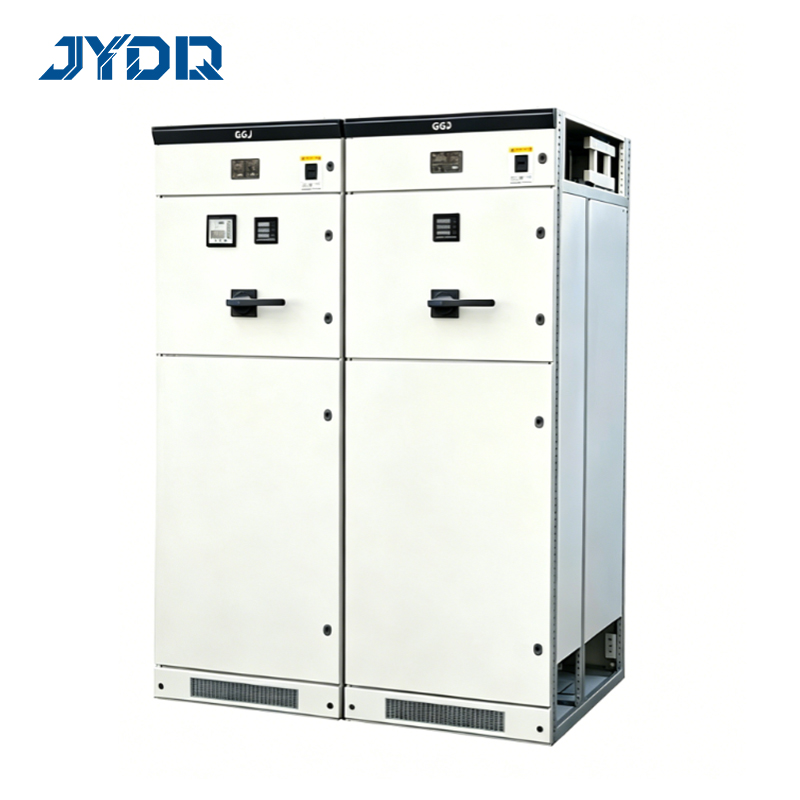
Power factor degradation is a widespread issue in facilities with significant motor loads, variable frequency drives, and switching equipment. When power factor drops below desired levels, utilities typically impose penalties, and your electrical infrastructure must work harder to deliver the same usable power. A low-voltage compensation cabinet integrates capacitors and control logic to inject reactive power into your distribution system, automatically correcting imbalances and maintaining power factor within acceptable limits. This targeted approach reduces demand charges, improves system voltage stability, and extends the lifespan of electrical equipment throughout your facility.
Understanding Power Factor and Reactive Power Management
The Role of Reactive Power in Electrical Distribution
Reactive power represents the portion of electrical energy that oscillates between the source and inductive loads without performing useful work. In any distribution system, motors, transformers, and inductors consume reactive power, which increases overall current demand and reduces the efficiency of power delivery. When reactive power levels are high relative to real power, power factor declines, forcing utility companies to supply additional current capacity and often resulting in penalty charges on your energy bills.
A low-voltage compensation cabinet addresses this by continuously monitoring power factor and automatically switching capacitor banks into the distribution system. These capacitors supply leading reactive power that cancels out the lagging reactive power from inductive loads, bringing the overall power factor closer to unity. This reactive power compensation is far more cost-effective than upgrading distribution infrastructure or paying utility penalties for poor power factor.
Power Factor Degradation in Industrial Environments
Industrial facilities typically experience power factor challenges due to high concentrations of three-phase induction motors, welding equipment, and variable frequency drives. Unlike resistive loads that consume only real power, these devices generate significant reactive power demand that can push power factor below 0.85 or even 0.80 in extreme cases. Many utilities enforce power factor standards of 0.95 or higher and charge surcharges when this threshold is violated, making power factor management an important cost control measure.
A low-voltage compensation cabinet automatically manages these reactive power swings by deploying capacitor banks in real-time response to load changes. This dynamic compensation approach is more responsive than fixed capacitor installations and prevents the over-compensation that can degrade power quality during off-peak periods when reactive demand naturally declines.
How Low-Voltage Compensation Cabinets Improve Electrical Efficiency
Automatic Capacity Switching and Real-Time Monitoring
Modern low-voltage compensation cabinets use microprocessor-based controllers to continuously measure power factor and reactive power across the distribution system. When power factor drops below a programmed threshold, the controller automatically switches in additional capacitor stages to inject the required reactive power compensation. As loads decrease and power factor naturally improves, the cabinet automatically disconnects unnecessary capacitor stages to prevent over-correction, which can cause voltage overshoot and equipment damage.
This automated, stepped-switching approach is far superior to fixed capacitor banks because it maintains consistent power factor regardless of load variability. The real-time monitoring capability also provides valuable diagnostic data about your facility's reactive power profile, helping identify which loads are driving poor power factor and where additional corrective measures may be warranted.
Voltage Stability and System Performance Gains
Poor power factor correlates directly with elevated current flows and increased voltage drops across distribution feeders. By reducing reactive power demand, a low-voltage compensation cabinet reduces feeder currents, lowering voltage drops throughout the system. This improved voltage stability translates to better motor performance, reduced heating in cables and transformers, and more consistent operation of sensitive electronic equipment.
Additionally, when reactive power compensation improves power factor, the available real power capacity of your existing distribution equipment effectively increases. Transformers, switchgear, and feeder cables can deliver more usable power without exceeding current ratings, potentially deferring expensive infrastructure upgrades. Many facilities discover they can support additional production loads simply by deploying a properly sized low-voltage compensation cabinet.
Economic and Operational Benefits of Compensation Cabinets
Reducing Utility Charges and Demand Penalties
Utility companies structure rate schedules to penalize poor power factor because it forces them to maintain larger generation, transmission, and distribution infrastructure than would be necessary if all loads operated at unity power factor. When a facility maintains power factor below 0.95, most utilities apply surcharges ranging from 0.5% to 3% of the total energy bill, depending on local regulations and the severity of the power factor violation. A low-voltage compensation cabinet typically pays for itself within 2 to 4 years through reduced utility charges alone.
Beyond penalty elimination, power factor correction reduces demand charges by lowering peak current requirements. Since utilities charge demand fees based on the highest 15-minute average current observed during the billing period, even modest reductions in reactive current from effective compensation can yield substantial monthly savings, especially in facilities with high demand charges.
Extended Equipment Life and Reduced Maintenance
Lower current levels throughout the distribution system result in less heat generation in cables, transformers, and motor windings. This thermal benefit extends equipment lifespan and reduces the frequency of maintenance interventions. Motors experience lower winding temperatures, which slows insulation degradation and increases time between rewinds or replacements. Transformer hot-spot temperatures decline, improving reliability and deferring replacement investments that can exceed six figures for large units.
A low-voltage compensation cabinet also reduces mechanical wear on electrical equipment by maintaining more stable voltage, which prevents nuisance trips in protective relays and reduces stress on switching contacts. The cumulative effect is improved system reliability, fewer unplanned outages, and reduced total cost of ownership across your electrical infrastructure.
FAQ
What is the ideal power factor target for industrial facilities?
Most utilities require industrial facilities to maintain power factor above 0.95, and many impose penalties for power factor below 0.90. A low-voltage compensation cabinet is typically designed to maintain power factor between 0.95 and 0.98, comfortably meeting utility standards and eliminating penalty charges. Some facilities target even higher power factor for maximum efficiency, though diminishing returns occur above 0.98 due to the cost of additional compensation capacity.
How quickly does a low-voltage compensation cabinet respond to load changes?
Modern low-voltage compensation cabinets respond within seconds to significant changes in reactive power demand, automatically switching capacitor stages in or out to maintain target power factor. This fast response time prevents momentary power factor excursions that could trigger utility penalties and ensures consistent system voltage. Advanced microprocessor controllers can monitor and adjust compensation multiple times per second if necessary, providing essentially real-time power factor correction.
Can a low-voltage compensation cabinet create over-compensation problems?
Over-compensation can occur if a cabinet is sized too large or lacks proper monitoring during light-load periods, leading to leading power factor that causes voltage overshoot. However, modern low-voltage compensation cabinets include built-in safeguards such as automatic detuning or reactive power limiters that prevent leading power factor conditions. Proper sizing during the initial design phase and commissioning of appropriate control thresholds virtually eliminate over-compensation risk in contemporary installations.

 EN