Proper inspection of high voltage switchgear before energization is critical to ensuring safe, reliable electrical system operation. This step is not optional or perfunctory—it is a fundamental requirement that prevents catastrophic failures, personnel injuries, and costly downtime. Before any electrical equipment carrying thousands of volts enters service, it must pass rigorous inspection protocols that verify structural integrity, electrical readiness, and compliance with design specifications. Skipping or abbreviating this process exposes your facility to unacceptable risk.
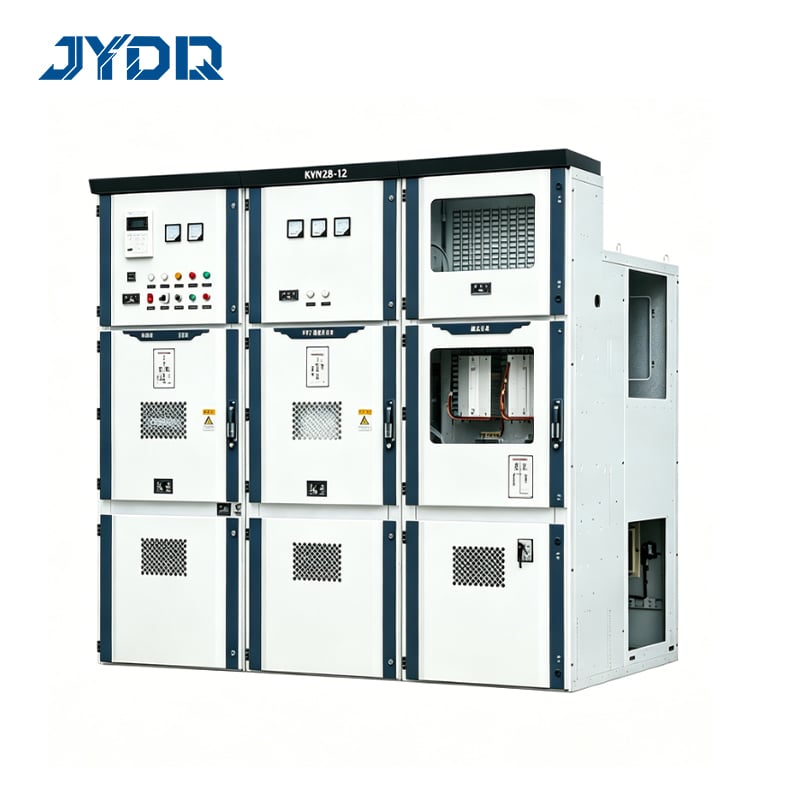
The inspection phase bridges the gap between manufacturing and operational deployment. High voltage switchgear equipment arrives at your site with factory test certifications, but site-specific conditions, handling during transport, environmental factors, and installation variables all create new inspection requirements. Commissioning professionals must verify that equipment tolerates local conditions and integrates properly with existing infrastructure. This article outlines the systematic inspection approach that engineering teams use to confirm readiness before energization occurs.
Pre-Commissioning Inspection Requirements
Visual and Structural Assessment
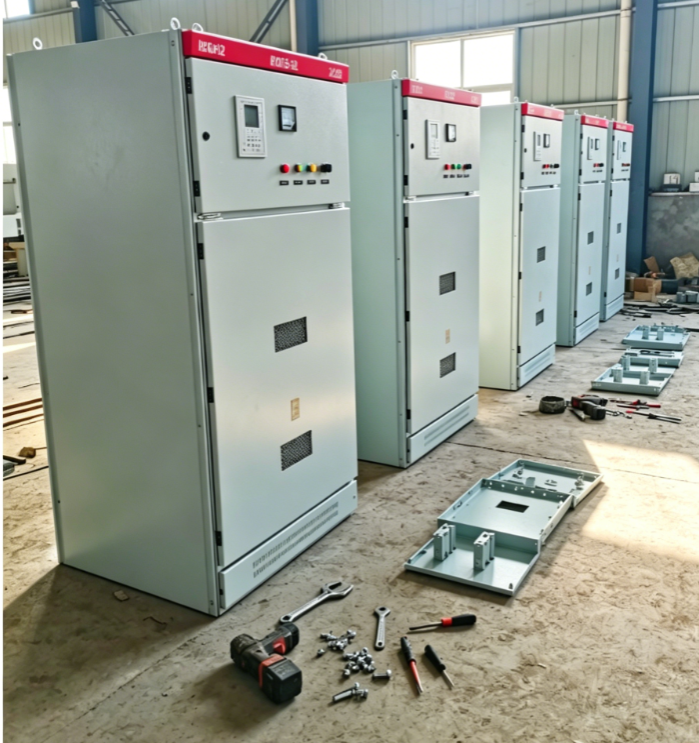
The first stage of high voltage switchgear inspection involves detailed visual examination of all external and accessible internal components. Inspectors check for transport damage, corrosion, loose fasteners, misalignment, and contamination. Cabinet seals must be intact to prevent moisture and dust ingress into high voltage compartments. Any dents, cracks, or deformation in the metal enclosure that might affect electrical performance or safety must be documented and addressed before energization. Visual inspection also confirms that all safety barriers, warning labels, and protective interlocks are properly installed and functional.
Structural soundness directly affects operational safety. During inspection, technicians verify that the switchgear frame sits level on its mounting surface, that all mechanical linkages move freely without binding, and that moving contacts align correctly with stationary contacts. Bolted connections are checked with calibrated torque wrenches to ensure they meet manufacturer specifications. High voltage equipment operates under thermal stress and electromagnetic forces; loose connections generate heat and accelerate degradation. Systematic torque verification during pre-commissioning inspection eliminates this common failure mode.
Cleanliness and Environmental Validation
High voltage switchgear requires a clean environment to function reliably. Dust, salt spray, industrial soot, and other contaminants degrade insulation and create conductive paths that lead to short circuits. During inspection, the interior of the equipment and surrounding installation area must be examined for contaminants. Insulating surfaces must be wiped clean, and any conductive particles removed. Environmental monitoring—humidity, temperature, altitude, and corrosive gas exposure—is recorded during commissioning inspection to ensure the site meets equipment ratings. If the installation environment exceeds design tolerances, remediation steps must be taken before energization.
Electrical Testing and Functional Verification
Insulation Resistance Measurements
Commissioning protocols require detailed insulation resistance testing as a core verification step before energization. High voltage switchgear operates at potentials where even tiny insulation defects create failure paths. Insulation resistance testing uses a specialized high-voltage tester (typically 1000 VDC or higher, depending on equipment class) to measure the resistance between live components and ground. Results are compared against factory baselines and industry standards. Poor insulation resistance indicates moisture ingress, contamination, or manufacturing defects. The inspection process must confirm that all insulation meets minimum threshold values before the equipment is allowed to enter service.
Insulation resistance testing is not a one-time measurement; it is trended over time. During commissioning, baseline values are recorded. If similar equipment in your facility shows declining insulation resistance, inspection protocols prompt immediate investigation before catastrophic failure occurs. High voltage switchgear that shows low insulation resistance is quarantined and repaired before energization. This preventive commissioning approach saves emergency repair costs and protects facility uptime.
Control Circuit and Protective Relay Validation
Modern high voltage switchgear includes control circuits, protective relays, and communication interfaces that coordinate with other equipment. During commissioning inspection, all control functions must be tested without energizing the main power contacts. Control voltage supply, signal integrity, relay operation, and communication protocols are verified systematically. Trip coils, undervoltage releases, and overcurrent sensors must respond to test stimuli within specified tolerances. Any deviation prompts investigation and correction before main energization occurs. This functional testing ensures that the protection system activates correctly during a fault condition, preventing damage and injury.
Safety Verification and Compliance Documentation
Protective Interlocks and Safety Systems
High voltage switchgear includes multiple interlocking systems designed to prevent hazardous conditions. Front door interlocks prevent opening the cabinet while equipment is energized. Mechanical interlocks prevent simultaneous closure of incoming and outgoing breakers. Grounding switches automatically engage when isolation switches open, creating a safe zero-voltage condition for maintenance. During commissioning inspection, each interlock is cycled and verified to operate correctly. Broken interlocks are repaired immediately; energization must never proceed with non-functional safety systems. The inspection checklist includes witness testing of interlock function by qualified personnel.
Arc flash hazard analysis must be completed before energization. High voltage switchgear operation inherently involves arc flash risk. Commissioning inspection confirms that all warning labels accurately reflect the arc flash energy level calculated for the specific system configuration. Personal protective equipment requirements are documented, and staff training records are verified. Grounding and bonding of equipment frames and interconnecting conductors are inspected to confirm they minimize fault current paths through personnel.
Compliance and Performance Documentation
Comprehensive commissioning inspection generates detailed documentation that becomes part of the equipment maintenance record. Factory test reports are reconciled with site commissioning test results. Any deviations are investigated and resolved. Inspection reports include photographs of equipment condition, serial numbers of all major components, test measurements, and certifications from qualified inspectors. This documentation package serves multiple purposes: it confirms compliance with design standards, provides baseline data for future maintenance decisions, and creates liability protection by demonstrating due diligence. Energization cannot proceed until all inspection documentation is complete and signed by authorized engineering personnel.
FAQ
What is the standard timeline for high voltage switchgear inspection and commissioning?
The timeline varies by equipment complexity and site conditions. Basic inspection and commissioning typically requires 3–5 working days after equipment arrives on site. More complex configurations with multiple protective devices, communication integration, and extensive testing may extend to 2–3 weeks. Environmental factors affect schedule; humidity mitigation or contamination cleanup may add time. Planning should allocate contingency days for any issues discovered during inspection that require component replacement or repair. Rushing commissioning inspection to meet project deadlines creates unacceptable safety risks and often results in costly failures shortly after energization.
Can inspection procedures be simplified for routine maintenance or replacement equipment?
Even replacement or refurbished high voltage switchgear must undergo full commissioning inspection before energization, though some steps may reference previous baseline data. Insulation resistance testing, protective relay verification, and safety interlock testing are non-negotiable. Comparison with factory specifications and previous baseline measurements helps identify degradation, but it does not eliminate the need for complete testing. The inspection process confirms that equipment meets design specifications in its specific operating context. Simplified commissioning creates liability exposure and increases failure risk.
What happens if inspection reveals defects or non-conformance during pre-energization testing?
Equipment with discovered defects must not be energized until root causes are identified and resolved. Minor defects such as loose fasteners, contamination, or damaged labels are corrected on-site by qualified technicians. Significant defects including insulation degradation, relay malfunction, or structural damage require component replacement or equipment return to the manufacturer. The defect, corrective action taken, and re-test results are documented in detail. Energization proceeds only after the equipment passes complete re-inspection. This disciplined approach prevents early failures and maintains safety standards.

 EN