Split-Core Zero-Sequence Current Transformer for Existing-Cable Protection Work
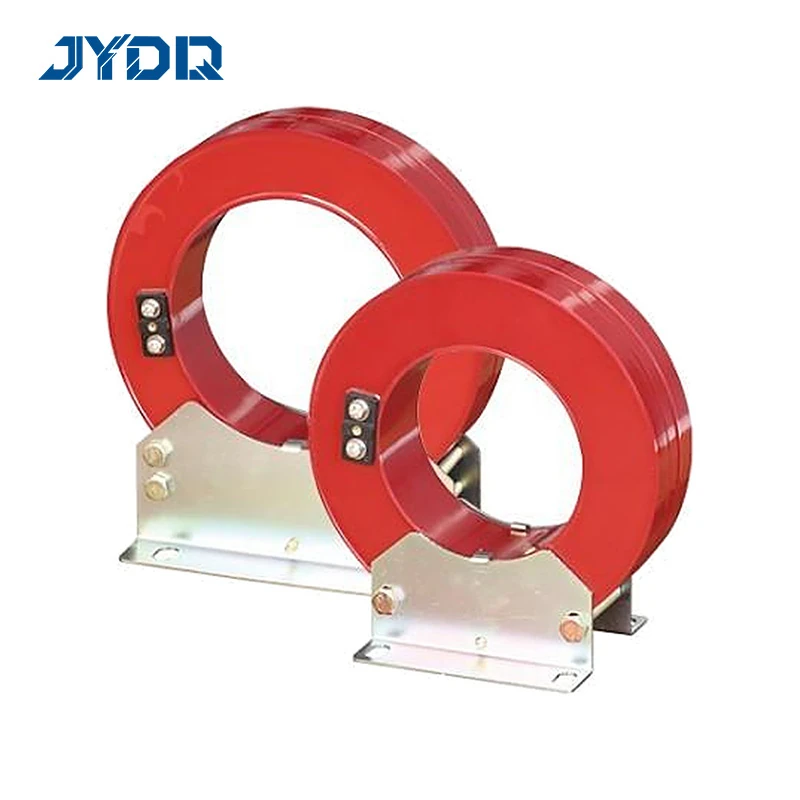
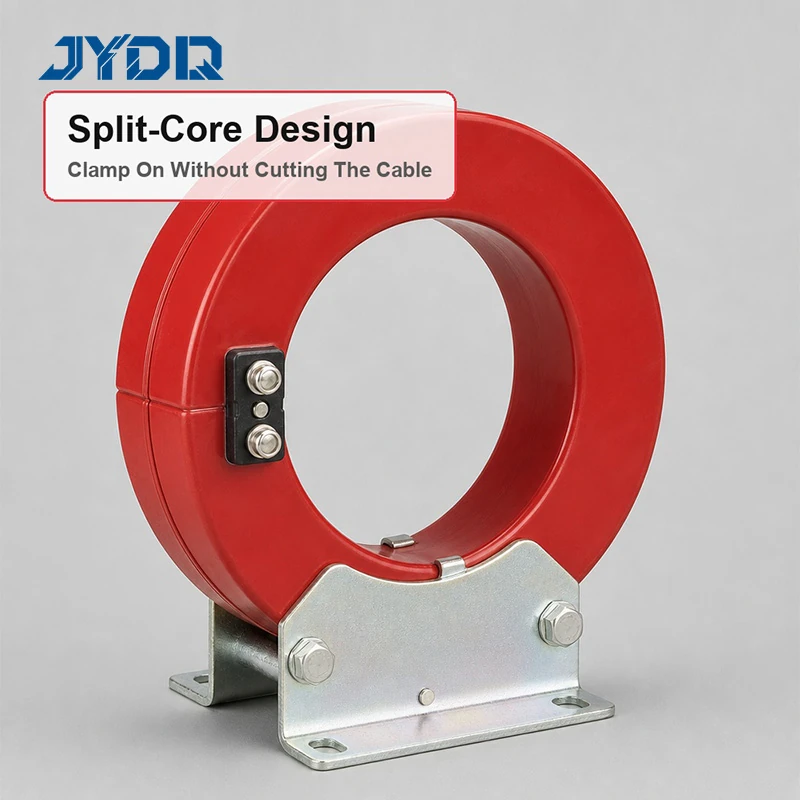
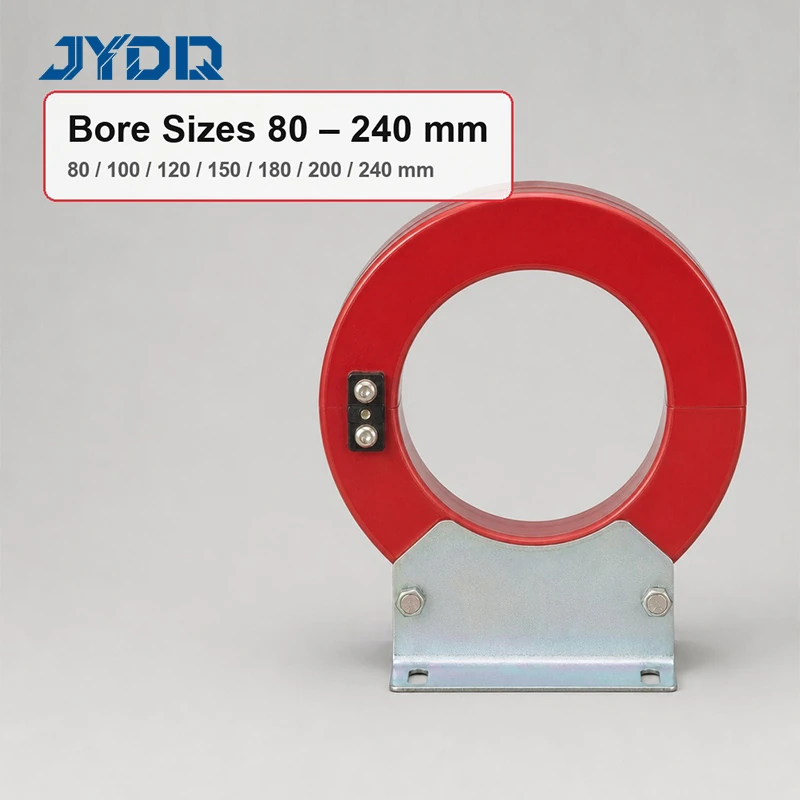
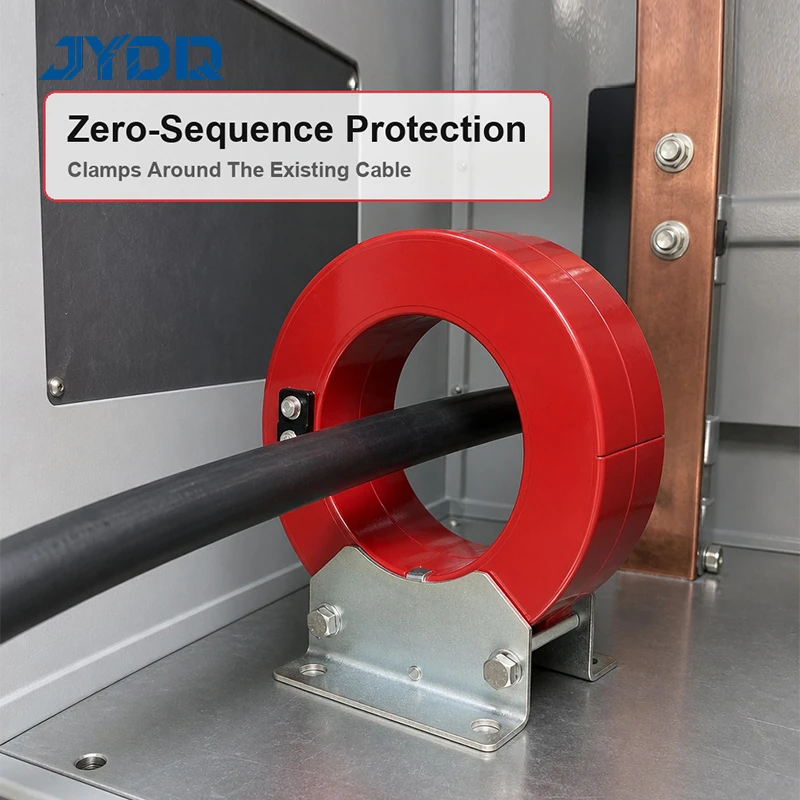
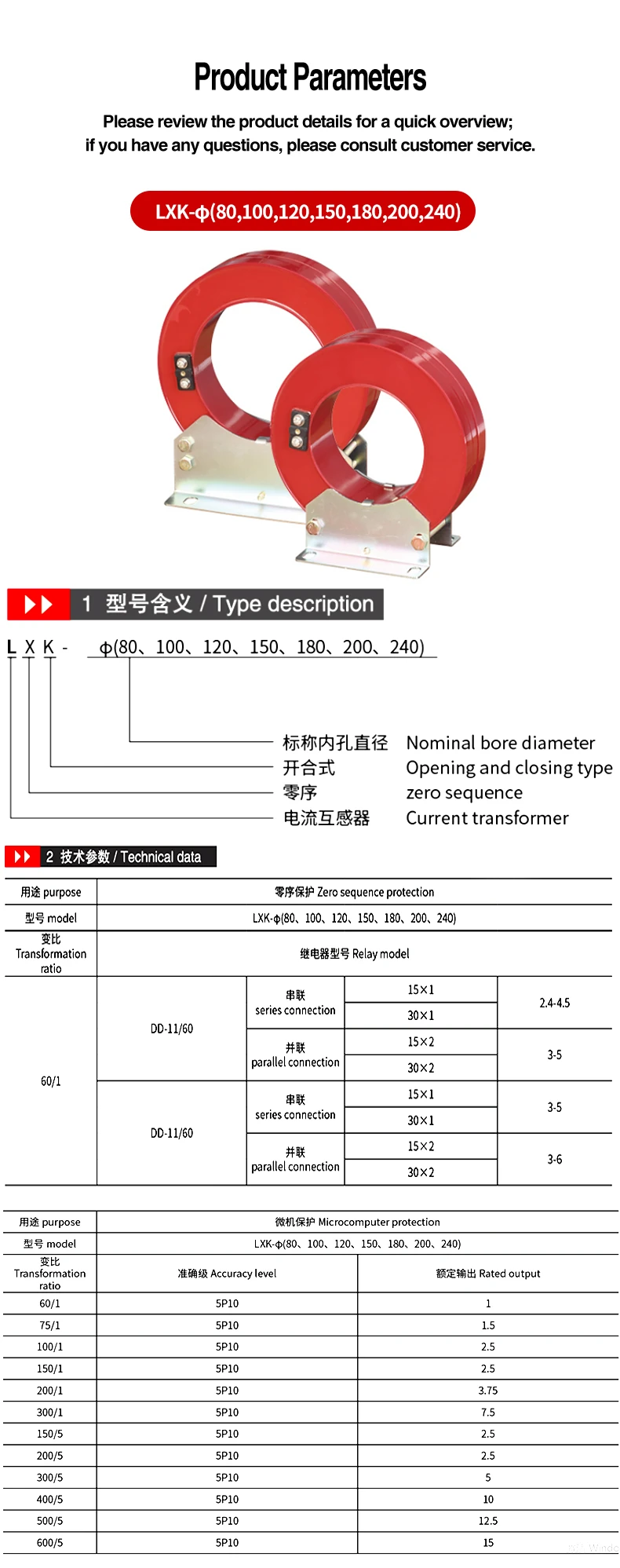
From a power-distribution system design perspective, the LXK series is an opening-and-closing, split-core zero-sequence current transformer intended for zero-sequence protection and microcomputer protection duties. Its defining practical benefit is that the ring can be opened and closed around an installed primary conductor. That arrangement is useful where a cable or busbar cannot be disconnected during a retrofit, extension, or protection-system modification. The series is available with seven nominal bore diameters: 80, 100, 120, 150, 180, 200, and 240 mm.
This Split-Core Zero-Sequence Current Transformer Open-Type Ring CT, Nominal Bore 80-240mm, Clamp On Without Cutting Cable is identified in the supplied product material as LXK-Φ(80, 100, 120, 150, 180, 200, 240). In the designation, L denotes current transformer, X denotes zero sequence, K denotes the opening-and-closing construction, and Φ denotes the nominal bore diameter. The bore selection should be based on the actual primary conductor that must pass through the transformer, with adequate physical clearance confirmed during design and installation planning.
Why the Split-Core Format Matters
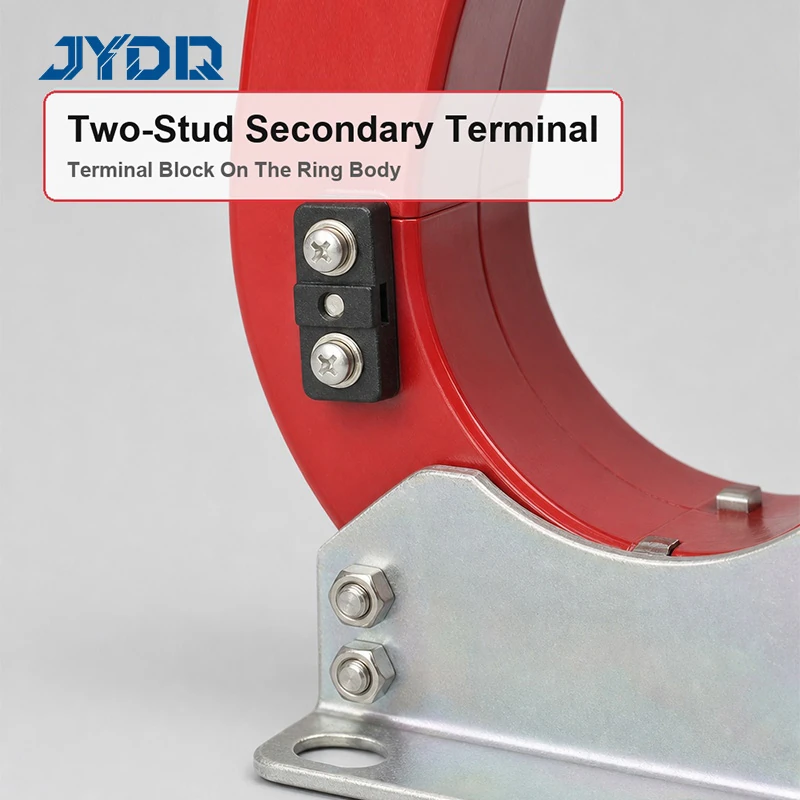
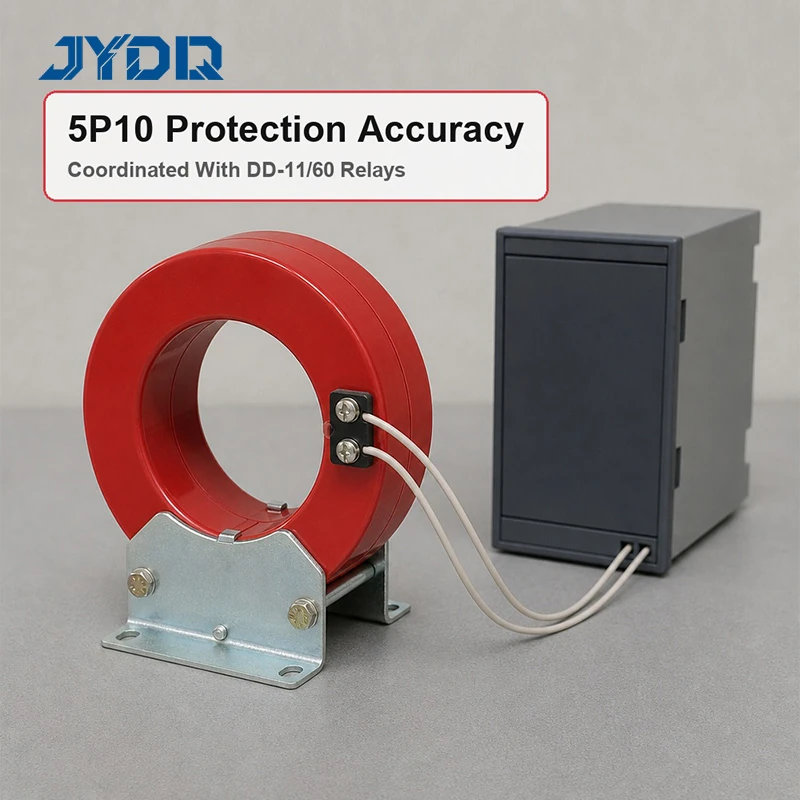
A conventional ring transformer may require the primary conductor to be threaded through the aperture before termination. The LXK split-core construction changes that installation sequence: the core opens, is positioned around the existing conductor, and closes for installation. It therefore addresses a real site constraint rather than merely changing the external form of the product. OCR material associated with the product also indicates a two-stud secondary terminal block on the ring body.
That convenience should not be treated as a substitute for application review. Choosing a transformer in isolation is only the first step; the harder question is whether its selected ratio, secondary current, relay interface, conductor arrangement, and mounting conditions align with the protection scheme. Protection coordination must be reviewed across connected equipment because settings that appear suitable in isolation may not give the intended fault-detection result in the complete system.
-
Clamp-on installation: the split core is intended to fit around an existing primary conductor.
-
Seven bore choices: nominal diameters span 80 mm through 240 mm.
-
Protection configurations: the product material lists zero-sequence and microcomputer protection use.
-
Terminal arrangement: OCR identifies a two-stud secondary terminal block on the ring body.
-
Selection focus: match the bore, ratio, secondary circuit, relay requirements, and installation clearance to the project.
Verified Core Specifications
| Parameter |
Verified product information |
| Series |
LXK |
| Type |
Split-core zero-sequence current transformer, opening and closing type |
| Model expression |
LXK-Φ(80, 100, 120, 150, 180, 200, 240) |
| Nominal bore diameters |
80 / 100 / 120 / 150 / 180 / 200 / 240 mm |
| Zero-sequence protection ratio |
60/1 |
| Compatible relay for that duty |
DD-11/60 |
| Microcomputer protection ratios |
60/1, 75/1, 100/1, 150/1, 200/1, 300/1, 150/5, 200/5, 300/5, 400/5, 500/5, 600/5 |
| Accuracy level for microcomputer protection |
5P10 |
| Rated output range |
1 to 15 VA, depending on transformation ratio |
The product documentation distinguishes between the 60/1 zero-sequence protection configuration used with a DD-11/60 relay and the wider microcomputer-protection ratio selection. This distinction is not cosmetic: the ratio and associated secondary circuit determine how the transformer is applied within the intended relay scheme. Confirm the specified relay input, secondary current, burden, and protection settings before ordering or installation.
Selecting the Right Bore and Installation Fit
The available nominal bore sizes provide a practical selection range for different installed cable or busbar dimensions. First identify the conductor or grouped conductors that must pass through the ring. Next compare their outside dimensions, insulation build-up, bend radius, access route, and mounting space with the selected bore. A nominal bore is not the same as a complete installation envelope; the closure path and available working clearance also matter.
Typical Application Contexts
The source material identifies this series for zero-sequence or residual-current detection in medium-voltage distribution networks and at cable terminations. It also identifies protection schemes using DD-11/60 relays and microcomputer or numerical relay protection schemes requiring class 5P10. These are application contexts, not a substitute for a project-specific protection study.
-
Existing-cable retrofit: where the primary conductor cannot be disconnected and a split-core device is needed around it.
-
Zero-sequence protection: where the 60/1 configuration and DD-11/60 relay arrangement match the approved scheme.
-
Microcomputer protection: where the selected listed ratio, 1 A or 5 A secondary circuit, class 5P10, and required burden have been confirmed.
Some allocated SEO phrases—biodegradable transformer oil, silicone transformer oil, 11kv dry type transformer, and compact substation design—refer to separate power-distribution topics. They are not features, materials, ratings, or applications of this LXK current transformer. They should be considered only when evaluating the broader electrical project and must not be used to infer that this product contains transformer oil, is a dry-type transformer, or forms a compact substation.
Decision Checklist for an Inquiry
Before requesting a quotation or technical confirmation, provide the nominal bore size needed, the actual conductor dimensions, intended protection duty, relay model, required transformation ratio, secondary current preference, burden requirement, and installation constraints. For zero-sequence protection, identify whether the DD-11/60 relay and the documented series or parallel primary arrangement apply. For microcomputer protection, identify the required ratio from the listed range and confirm the 1 A or 5 A secondary interface.
Where quantitative project claims are needed, they should be verified against the manufacturer drawing, applicable test documentation, and the project protection study. The available catalog material supports the published ratios, accuracy class, and rated-output list, but it does not establish unlisted certifications, environmental ratings, dimensions beyond the nominal bore range, or site-specific protection performance.
Request Technical Confirmation
The Split-Core Zero-Sequence Current Transformer Open-Type Ring CT, Nominal Bore 80-240mm, Clamp On Without Cutting Cable offers a source-supported clamp-on approach for existing-conductor protection work, with seven bore choices and published zero-sequence and microcomputer-protection configurations. Share the conductor details, bore requirement, relay information, target ratio, and installation drawing with the supplier or qualified application engineer to confirm the suitable LXK configuration for the intended system.

 EN