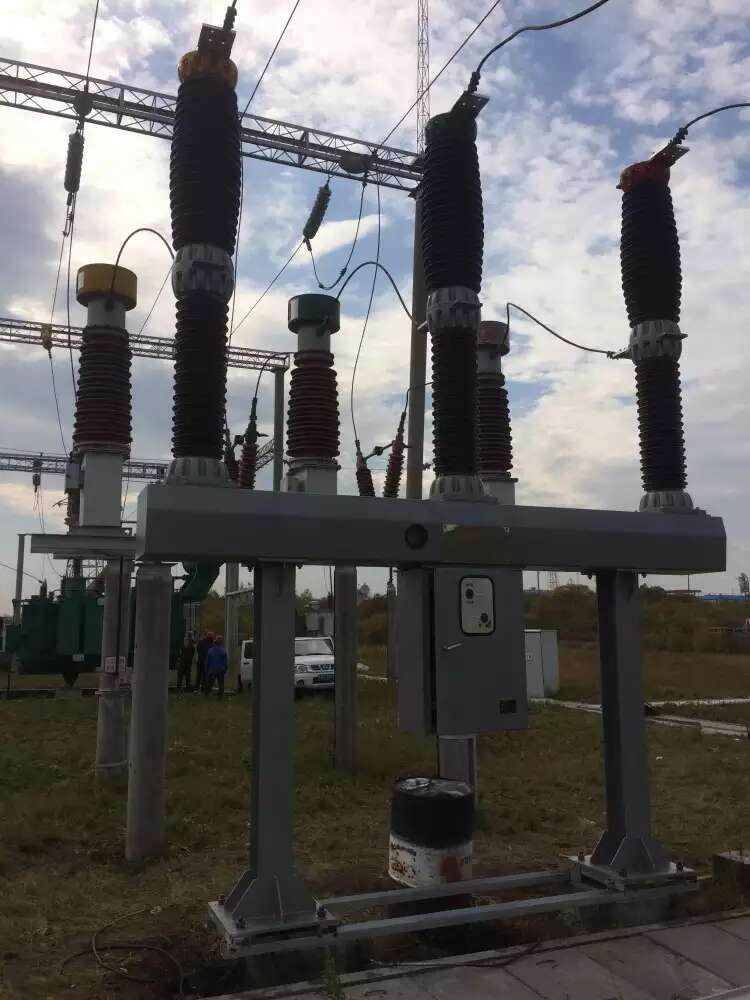
Outdoor vacuum circuit breakers represent a critical infrastructure component for modern power distribution systems. As electrical grids expand and demand for reliable power transmission intensifies, understanding the fundamentals of outdoor VCB technology becomes essential for procurement professionals, engineering teams, and facility managers. These devices safeguard distribution networks by interrupting fault currents under harsh environmental conditions, making them indispensable for substations exposed to extreme weather patterns, temperature fluctuations, and moisture.
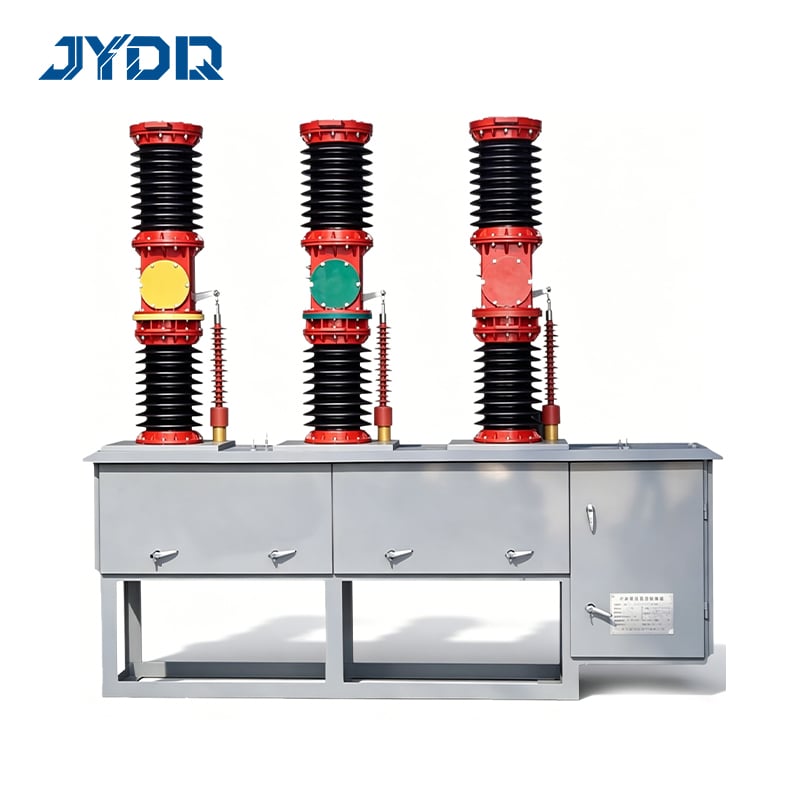
Selecting the right outdoor VCB requires balancing technical specifications with practical operational realities. Unlike indoor installations, outdoor systems face continuous weather exposure, which demands superior insulation materials, enhanced mechanical durability, and corrosion-resistant construction. Buyers must evaluate how different designs handle thermal cycling, salt spray environments, heavy rain, and solar radiation to ensure long-term reliability and cost-effectiveness in their distribution network.
Understanding Outdoor VCB Technology and Performance Requirements
Core Functionality in Distribution Networks
Vacuum circuit breakers operate by using vacuum as the arc-quenching medium, enabling rapid current interruption with minimal contact erosion. When installed outdoors, these vacuum circuit breakers must maintain their switching capability across temperature ranges from minus 40 degrees Celsius to plus 55 degrees Celsius. The absence of gas or oil insulation means outdoor VCB designs rely on solid porcelain or composite insulators and sealed operating mechanisms to prevent moisture ingress, which could compromise the vacuum integrity and interrupt reliability.
The distribution network depends on consistent fault response times and high cycle-life ratings. Outdoor vacuum circuit breakers typically offer 10,000 or more mechanical operations before maintenance, substantially longer than traditional oil-filled circuit breakers. This durability reduces operational downtime, lowers maintenance costs, and improves overall system availability. The vacuum chamber itself remains sealed throughout the product lifecycle, eliminating the need for oil disposal or environmental compliance concerns associated with older technologies.
Weather Exposure and Environmental Stress Factors
Weather exposure represents the primary challenge for outdoor installations. Salt spray in coastal regions accelerates corrosion of metal components, while UV radiation degrades polymer parts over time. Heavy rain and condensation create moisture ingress risks if seals deteriorate or drainage pathways become blocked. Temperature cycling causes differential expansion in dissimilar materials, stressing mechanical linkages and electrical connections. Outdoor VCB designs address these stresses through stainless steel hardware, specialized gaskets, drainage ports, and polyurethane coatings that resist environmental degradation while maintaining mechanical and electrical performance.
The distribution network's reliability directly correlates with each component's weather resistance. A single premature failure in an outdoor VCB can trigger cascading effects across transmission routes, causing service interruptions to thousands of customers. Buyers evaluating outdoor vacuum circuit breakers should request environmental certification records, insulation resistance test results after salt spray exposure, and hydrophobic property data. These specifications confirm the equipment can withstand local climate conditions without performance degradation or safety risks.
Selection Criteria and Operational Considerations
Voltage Rating and Current Capacity Alignment
Outdoor vacuum circuit breakers must match the distribution network's nominal voltage, commonly ranging from 10 kilovolts to 765 kilovolts in transmission applications. Rated continuous current typically ranges from 630 amperes to 3150 amperes depending on substation configuration and load demand. Undersizing current capacity creates thermal stress and shortens equipment life, while oversizing increases capital cost and equipment footprint unnecessarily. Buyers must verify that the selected outdoor VCB carries the correct voltage class, rated frequency, and fault current breaking capacity for the specific installation site.
Breaking capacity ratings indicate the maximum fault current a vacuum circuit breaker can safely interrupt without mechanical damage or arc reignition. These ratings typically range from 16 kiloamperes to 63 kiloamperes at the breaker's primary voltage. Distribution network designers calculate maximum available fault current at each substation using short-circuit studies. The selected outdoor VCB must equal or exceed the calculated maximum, providing a safety margin that protects equipment from failure during severe fault conditions.
Mechanical Duty and Maintenance Access
Outdoor installations demand robust mechanical design that accommodates manual operation during emergencies or maintenance windows. The operating mechanism must function reliably after prolonged exposure to vibration, thermal cycling, and corrosive atmospheres. Vacuum circuit breakers with spring-loaded closing mechanisms and dashpot damping ensure smooth, controlled operation without excessive shock loads. Quick-make, quick-break contacts minimize arcing duration and contact erosion, extending maintenance intervals for outdoor VCB systems deployed in distribution networks.
Accessibility for maintenance and component replacement significantly impacts total cost of ownership. Outdoor vacuum circuit breakers should feature easily removable interrupter chambers, accessible drive mechanisms, and simple diagnostic procedures. Some designs include built-in monitoring ports for condition assessment without full disassembly. Buyers should confirm that replacement parts remain available throughout the expected 30- to 40-year service life and that local service technicians can competently perform maintenance tasks. Poor accessibility amplifies weather exposure risks because technicians work in adverse conditions, potentially introducing installation errors that compromise seal integrity or electrical connections.
Installation, Testing, and Compliance Requirements
Pre-Installation Inspection and Factory Testing
Reputable manufacturers conduct rigorous factory testing before shipping outdoor vacuum circuit breakers. These tests verify vacuum integrity using helium leak detection, confirm contact resistance within specification, and validate mechanical operation across full temperature ranges. Buyers should request certification documents confirming dielectric withstand strength, insulation resistance, and high-voltage impulse test results. Type testing certificates from recognized standards bodies such as IEC or ANSI provide independent verification that the vacuum circuit breaker meets minimum performance criteria.
Upon site delivery, receiving inspection confirms that outdoor VCB units arrived undamaged and possess proper documentation. Visual examination detects shipping damage or loose fasteners that could impact performance. Insulation resistance testing using megohmeters confirms the vacuum chamber remains intact and moisture-free during transport. These preliminary checks prevent installation of faulty equipment that could fail during initial energization, jeopardizing distribution network stability and personnel safety.
Site-Specific Environmental and Regulatory Factors
Installation location profoundly influences outdoor VCB performance and longevity. Coastal sites require stainless steel construction and enhanced corrosion protection to resist salt spray. High-altitude installations demand increased insulation strength due to reduced air density affecting creepage distances. Seismic zones necessitate mechanical reinforcement and testing to confirm the outdoor vacuum circuit breaker maintains operation after earthquake motion. Desert environments require UV-resistant coatings and dust-mitigation measures for cooling vents and drainage pathways.
Regulatory compliance requirements vary by jurisdiction and utility standards. Distribution networks in many regions mandate IEC 62271-100 compliance, while North American utilities increasingly reference ANSI C37.04 standards. Environmental regulations in sensitive areas restrict oil-based insulation fluids, making outdoor vacuum circuit breakers an environmentally advantageous choice. Buyers must verify that specified equipment complies with all applicable standards, possesses required certifications, and meets grid operator technical requirements. Non-compliance introduces risk of equipment rejection during commissioning, causing costly project delays and rework expenses.
FAQ
Why choose outdoor vacuum circuit breakers over traditional oil-filled designs for distribution networks?
Outdoor VCB technology offers superior environmental performance, faster switching speeds, longer maintenance intervals, and compliance with modern environmental regulations. Unlike oil-filled circuit breakers, outdoor vacuum circuit breakers eliminate hazardous fluid handling, reduce spill risks, and minimize environmental impact if equipment failure occurs. They also provide better fault current interruption capability with less contact erosion, resulting in lower lifecycle costs despite slightly higher initial purchase prices.
How does weather exposure affect the reliability of outdoor vacuum circuit breakers in harsh environments?
Weather exposure can degrade performance if the outdoor VCB design lacks adequate corrosion protection, seal integrity, or material durability. Salt spray, UV radiation, temperature cycling, and moisture ingress all contribute to premature aging. Selecting equipment specifically engineered for the local climate, with stainless steel hardware, specialized coatings, and robust drainage design, ensures that outdoor vacuum circuit breakers maintain full reliability throughout their 30- to 40-year service life in challenging distribution network environments.
What testing and certification documents should buyers request before purchasing outdoor vacuum circuit breakers?
Buyers should request factory test reports confirming vacuum integrity, insulation resistance values, dielectric withstand strength, mechanical operation across temperature extremes, and high-voltage impulse test results. Type testing certificates from recognized standards bodies such as IEC or ANSI provide independent verification that outdoor vacuum circuit breakers meet minimum performance criteria. Environmental qualification reports demonstrating salt spray resistance and thermal cycling endurance validate long-term performance in specific climate conditions within the distribution network.

 EN