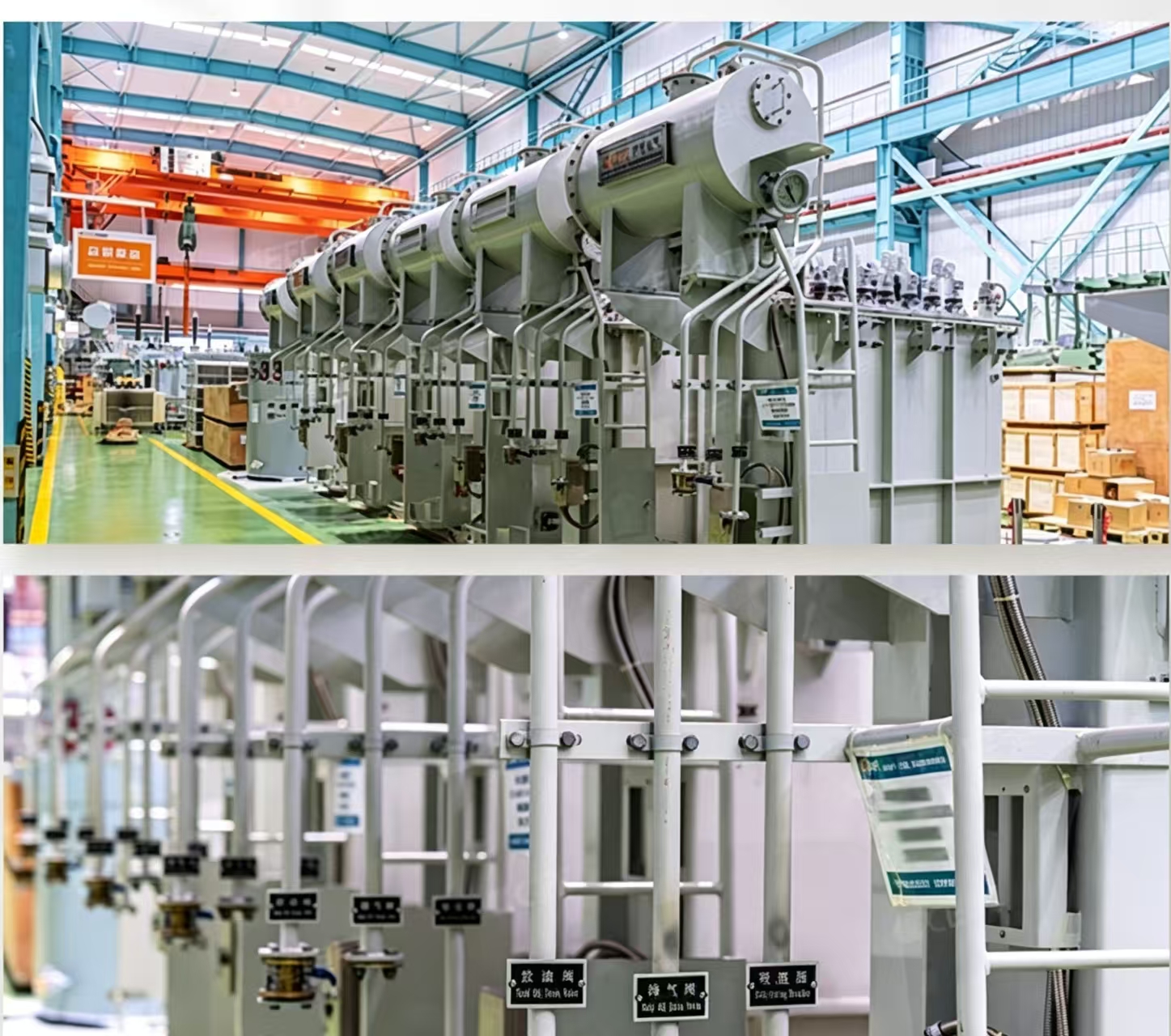
Partial discharge events represent one of the most critical concerns affecting the reliability and longevity of high-voltage switchgear systems in industrial and utility applications. These electrical phenomena occur when electrical stress creates localized ionization within insulation materials, gradually degrading system performance before catastrophic failure occurs. Understanding the root causes of partial discharge is essential for maintenance teams tasked with ensuring uninterrupted power delivery across demanding operational environments. The consequences of unaddressed partial discharge extend beyond equipment damage, potentially impacting grid stability and creating significant financial liabilities.
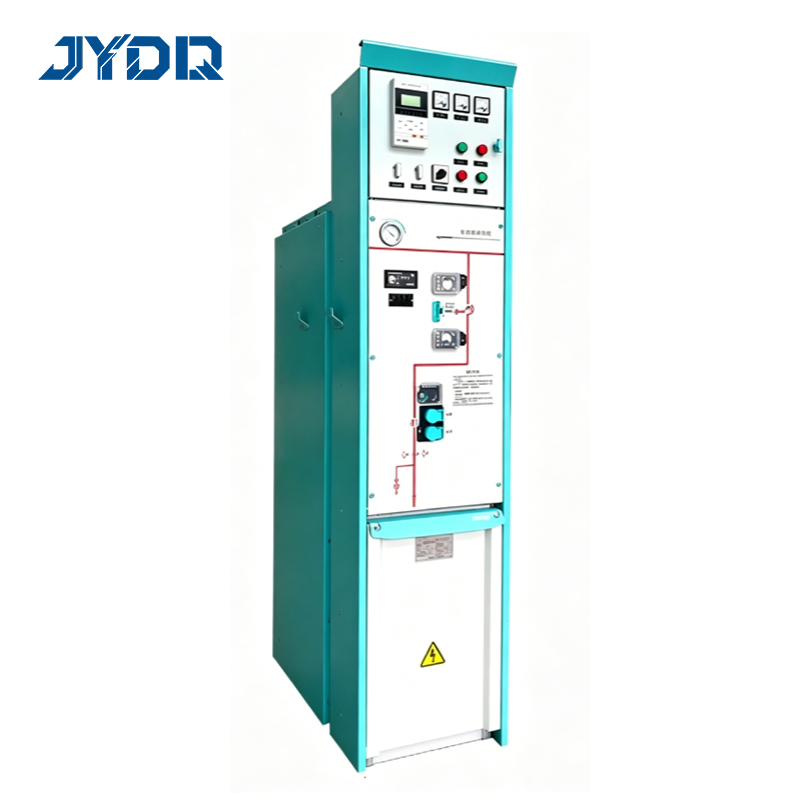
High-voltage switchgear systems operate under extreme electrical and thermal stress, making them vulnerable to partial discharge initiation. Modern facility managers and electrical engineers recognize that proactive identification and mitigation of partial discharge mechanisms directly correlate with extended equipment lifespan and operational safety. This comprehensive analysis explores the underlying causes of partial discharge concerns, examines how insulation degradation accelerates failure pathways, and outlines practical condition monitoring approaches that enable timely intervention before system failure.
Insulation Degradation and Partial Discharge Initiation
Environmental Moisture and Contamination Effects
Moisture ingress represents one of the primary catalysts for partial discharge development within high-voltage switchgear systems. Water molecules penetrate insulation materials through micro-fissures, seal degradation, and breathing cycles caused by thermal fluctuation during operational cycles. Once moisture settles within insulation layers, it dramatically reduces the dielectric strength, creating pathways for electrical stress concentration and localized ionization events. Contamination particles—including dust, salt, and conductive debris—compound this problem by establishing conductive bridges across insulation surfaces and interfaces. These contaminants trap moisture and accelerate chemical degradation of insulation materials, further compromising structural integrity and creating ideal conditions for partial discharge initiation.
Thermal Stress and Aging Mechanisms
Thermal cycling within high-voltage switchgear systems imposes mechanical strain on insulation materials, causing micro-cracking and accelerating chemical degradation pathways. Elevated operating temperatures—particularly during peak load periods—increase molecular movement within insulation polymers, promoting oxidation and reducing material resilience. Repeated heating and cooling cycles induce differential expansion and contraction between copper conductors, insulation layers, and metal enclosures, gradually creating voids and delamination zones where partial discharge can initiate. Oil-based insulation systems, commonly used in traditional switchgear designs, oxidize more readily at elevated temperatures, producing acidic byproducts that further weaken insulation performance. The combined effect of thermal stress and chemical degradation creates accumulating vulnerability that eventually reaches critical thresholds where partial discharge events become inevitable.
Electrical Stress Concentration and Design Vulnerabilities
Field Enhancement at Geometric Discontinuities
Electrical field concentration at sharp edges, conductor-to-insulation interfaces, and geometric irregularities within high-voltage switchgear systems dramatically increases partial discharge susceptibility. Non-uniform geometry in conductor arrangements, manufacturing surface roughness, and design features that create high-gradient regions establish conditions for localized electrical stress amplification. When electrical field intensity exceeds the critical threshold needed to ionize gas molecules trapped within insulation voids, partial discharge events trigger spontaneously. Modern computational analysis tools now enable design optimization to smooth field transitions and reduce concentration zones, yet legacy switchgear systems often retain geometric vulnerabilities that accumulate partial discharge risk over operational lifetime. These design-related vulnerabilities interact synergistically with environmental degradation, creating cascading failure mechanisms that accelerate once partial discharge initiation begins.
Voltage Transients and Impulse Loading
Transient overvoltages arising from switching operations, lightning strikes, and fault events impose sudden electrical stress on insulation materials within high-voltage switchgear systems. Each transient event creates temporary field intensities that exceed normal operating conditions, potentially triggering partial discharge in previously stable zones. Switching transients—particularly those generated during load shedding, capacitor bank switching, or transformer energization—occur frequently within distribution networks, subjecting insulation to repeated stress pulses. The cumulative effect of multiple transient events gradually weakens insulation, reducing its withstand capability for subsequent events and establishing feedback loops where partial discharge becomes increasingly probable. Coordination between surge protection devices and insulation specifications becomes critical for managing transient-induced partial discharge risks in modern high-voltage switchgear systems.
Condition Monitoring and Partial Discharge Detection Strategies
Online Partial Discharge Monitoring Systems
Continuous condition monitoring systems employ acoustic emission sensors, radio frequency detection, and ultra-high-frequency signal capture to identify partial discharge events in real-time operation within high-voltage switchgear systems. These sensors detect the characteristic electromagnetic and acoustic signatures generated when partial discharge occurs, enabling early warning before significant insulation degradation develops. Online monitoring provides operational data across varying load conditions, thermal states, and voltage transients, capturing partial discharge behavior that laboratory testing cannot fully replicate. Integration of monitoring data with automated alarm systems enables maintenance teams to schedule interventions during planned maintenance windows rather than responding to emergency failures. Modern condition monitoring approaches establish baseline discharge patterns and detect statistical anomalies, distinguishing normal operational phenomena from progressive discharge degradation requiring immediate action.
Offline Diagnostics and Insulation Assessment
Offline diagnostic testing—including time-domain reflectometry, dielectric spectroscopy, and standard partial discharge measurement protocols—provides complementary assessment data for insulation condition evaluation. These laboratory-grade tests apply controlled voltage conditions and detailed signal analysis to characterize insulation performance under precisely defined circumstances. Offline testing reveals insulation aging signatures and dormant vulnerabilities that online monitoring might miss, particularly in older high-voltage switchgear systems where baseline conditions remain undefined. Trending results across multiple test cycles enables quantitative assessment of degradation rates, informing predictive maintenance scheduling and equipment replacement decisions. Integration of both online monitoring and offline diagnostic data creates comprehensive condition assessment frameworks that maximize equipment reliability while optimizing maintenance resource allocation.
Managing partial discharge risks within high-voltage switchgear systems requires systematic integration of design improvements, environmental controls, and advanced condition monitoring strategies. Organizations implementing proactive partial discharge management programs consistently achieve extended equipment service intervals, reduced unplanned outages, and lower overall lifecycle costs. The transition from reactive maintenance responding to failures toward predictive strategies enabled by continuous insulation monitoring represents a fundamental operational shift in how utilities and industrial facilities manage mission-critical electrical infrastructure. By understanding the specific mechanisms driving partial discharge initiation—environmental factors, thermal stress, electrical field concentration, and transient events—maintenance organizations can prioritize interventions most effectively addressing their specific operational context.
FAQ
What is the typical progression timeline for partial discharge damage in high-voltage switchgear systems?
The timeline varies significantly based on environmental conditions, electrical stress levels, and initial insulation quality, but typical progression spans months to several years. Early-stage partial discharge events produce minimal detectable degradation, with insulation remaining functional despite ongoing ionization activity. Acceleration typically occurs after several hundred discharge cycles, when cumulative channel tracking and insulation erosion reach critical thresholds. Advanced condition monitoring systems can detect partial discharge activity years before catastrophic failure, providing adequate warning for planned maintenance intervention. Equipment age, maintenance history, and environmental exposure dramatically influence progression rates, making individual assessment through diagnostic testing essential for accurate timeline prediction.
How do different insulation materials in high-voltage switchgear systems affect partial discharge vulnerability?
Solid insulation materials including polyester, epoxy, and specialized ceramics each exhibit distinct partial discharge resistance characteristics based on their molecular structure and dielectric properties. Gas-insulated switchgear using sulfur hexafluoride gas demonstrates superior partial discharge withstand capability compared to air-insulated designs due to gas dielectric strength and self-healing properties. Oil-based insulation systems provide good initial performance but degrade more rapidly under thermal stress and moisture exposure. Modern eco-friendly alternatives using fluorocarbon gases and advanced solid polymers offer enhanced environmental benefits while maintaining or improving partial discharge resistance. Material selection during design phases critically influences long-term partial discharge risk profiles, with premium materials justifying higher initial investment through extended service life and reduced maintenance requirements.
What specific conditions trigger urgent maintenance action when partial discharge is detected in high-voltage switchgear systems?
Sudden discharge intensity increases exceeding established baseline patterns, detection of partial discharge at operational voltages below nameplate ratings, or progressive growth in discharge event frequency across consecutive measurement intervals all indicate accelerating degradation requiring immediate attention. Simultaneous detection of partial discharge combined with abnormal temperature rise, unusual odor, or visible discoloration signals imminent failure risk necessitating equipment removal from service. Industry standards establish quantitative thresholds for discharge magnitude and energy content above which continued operation becomes unacceptable risk. Maintenance teams should develop site-specific response protocols linking partial discharge detection parameters to scheduled maintenance actions, equipment deration, or planned replacement, ensuring safety margins remain adequate throughout equipment remaining service life.

 EN