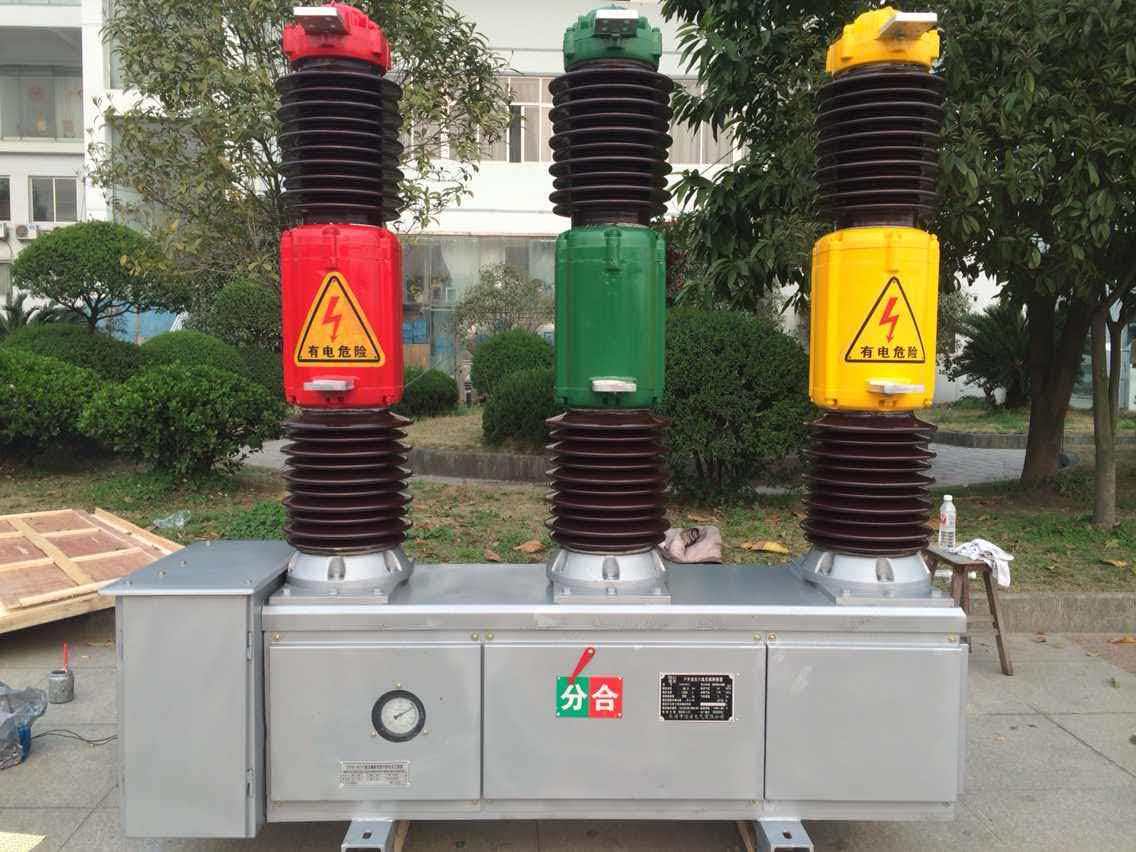
Electrical power systems depend on reliable equipment to manage voltage levels and protect infrastructure from faults and overloads. High and low voltage switchgear forms the backbone of modern power distribution, serving as the control and protection interface between generation facilities, transmission lines, and end-user equipment. Understanding these critical components helps industrial operators, facility managers, and electrical engineers make informed decisions about system design, maintenance, and safety protocols.
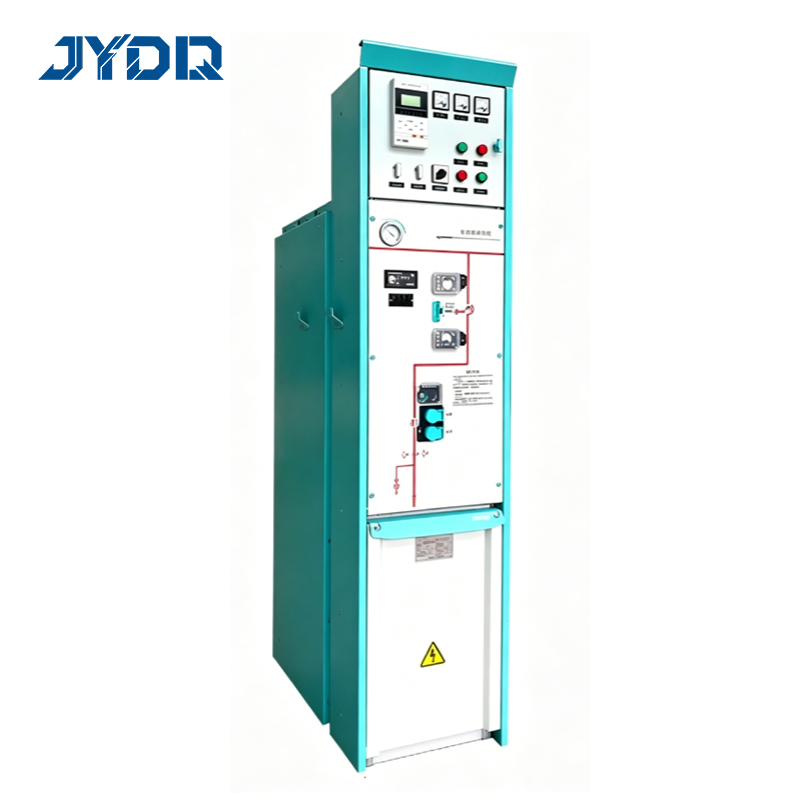
In any power distribution system, voltage levels must be carefully managed to ensure equipment compatibility, operational safety, and energy efficiency. HV LV systems work together to step down voltages from transmission levels to distribution levels suitable for industrial and commercial use. Switchgear serves as the mechanical and electrical interface that makes this voltage management possible, incorporating circuit breakers, disconnectors, bus bars, and protective relays into cohesive assemblies that respond to changing load conditions and system faults in milliseconds.
Understanding Voltage Levels and Switchgear Classification
High Voltage Switchgear Function and Characteristics
High voltage switchgear typically operates above 36 kilovolts and handles the initial steps in voltage reduction from transmission lines. These systems must withstand extreme electrical stresses, operate reliably under variable atmospheric conditions, and provide rapid fault isolation to prevent cascade failures across wider power networks. HV switchgear incorporates sophisticated insulation systems, often using SF6 gas or vacuum technology, to safely interrupt fault currents that can exceed 60,000 amperes in industrial substations.
The primary role of high voltage equipment in power distribution is to connect transmission infrastructure to distribution transformers while providing protection against short circuits, overvoltages, and phase imbalances. Operating personnel rarely interact directly with HV switchgear due to safety protocols and specialized training requirements, but the decisions made during equipment selection and maintenance directly impact the reliability and cost-effectiveness of entire regional power networks.
Low Voltage Switchgear Application and Design
Low voltage switchgear operates below 1 kilovolt and represents the final distribution stage before power reaches building panels, machinery terminals, and end-use equipment. Unlike HV equipment, low voltage systems must prioritize accessibility, user safety, and ease of operation since facility staff regularly interact with these assemblies. LV switchgear incorporates manual and automatic disconnection devices, overload protectors, and earth leakage detection circuits designed to protect workers and prevent equipment damage from minor faults.
Modern switchgear in this category often integrates digital monitoring, allowing facility managers to track power consumption patterns, identify inefficiencies, and predict maintenance needs before component failures occur. The modular design of contemporary LV equipment enables scalability, allowing industrial facilities to expand power infrastructure without completely replacing existing assemblies.
Power Distribution Integration and System Architecture
Voltage Transformation and Step-Down Architecture
Power distribution systems use multiple transformation stages to move electricity from generation sources to end users safely and efficiently. The voltage reduction sequence typically begins with transmission lines carrying power at 115 kilovolts or higher, flows through primary substations with high voltage switchgear rated for these extreme conditions, then passes through step-down transformers that reduce voltage to distribution levels between 4 and 34 kilovolts. Secondary substations equipped with lower capacity HV equipment further reduce voltage to low voltage levels suitable for building and industrial equipment.
Each transformation point requires switchgear specifically rated for the operational voltage and current levels at that location. Improper voltage class selection creates fire hazards, reduces equipment lifespan, and violates safety standards. The integration between HV LV systems represents a critical interface where protection coordination must account for fault currents flowing in both directions during disturbances.
Protection Coordination and Fault Response
Switchgear assemblies include relay systems that continuously monitor voltage, current, frequency, and ground conditions. When faults occur, these protective devices must respond with precise coordination to isolate affected sections while maintaining power to unaffected loads. A fault at a low voltage point might trigger LV circuit breakers to trip first, but if this protection fails, signals travel upstream to HV switchgear to isolate the entire feeder before damage cascades through the distribution network.
This hierarchical protection architecture requires switchgear at all voltage levels to communicate status signals and coordinate responses through intelligent electronic devices and SCADA systems. The reliability of power distribution depends fundamentally on switchgear performing its protective function reliably and predictably during both normal operation and emergency conditions.
Operational Considerations and Maintenance Requirements
Equipment Selection and Lifecycle Planning
Selecting appropriate switchgear involves calculating expected fault currents, determining load growth forecasts, and assessing environmental conditions at installation locations. High voltage switchgear in coastal regions requires special corrosion-resistant coatings and more frequent maintenance intervals compared to inland installations. Low voltage equipment selection must account for ambient temperatures, moisture levels, and vibration from nearby machinery that could affect component performance and safety margins.
Once installed, switchgear requires systematic maintenance programs aligned with manufacturer specifications and local electrical codes. HV equipment typically requires annual inspections including SF6 gas analysis, insulation resistance testing, and mechanical contact verification. LV switchgear demands monthly visual inspections, thermal imaging to detect loose connections, and annual arc flash hazard assessments to ensure employee safety around energized equipment.
Modernization and Smart Grid Integration
Contemporary power distribution increasingly incorporates digital switchgear with advanced monitoring, remote operation capabilities, and predictive maintenance features. These intelligent systems collect real-time performance data that facility operators use to optimize load distribution, identify deteriorating components before failure, and respond more rapidly to system disturbances. Integration of renewable energy sources, electric vehicle charging infrastructure, and distributed generation requires switchgear capable of bidirectional power flow management and sophisticated protection logic.
Upgrading from conventional electromechanical switchgear to digital systems represents a significant investment, but the improved reliability, reduced downtime, and enhanced operational visibility justify the expense for critical facilities and large industrial plants.
FAQ
What is the main difference between high voltage and low voltage switchgear?
High voltage switchgear operates above 36 kilovolts and handles transmission-level power with extreme fault currents and specialized insulation systems, while low voltage switchgear operates below 1 kilovolt and prioritizes accessibility, user safety, and ease of operation. HV equipment is rarely touched by personnel due to hazards, whereas LV switchgear is regularly accessed for maintenance and troubleshooting. Both serve complementary roles within power distribution systems, with HV handling bulk power movement and LV managing final distribution to end-use equipment.
How does switchgear protect power distribution systems from faults?
Switchgear incorporates protective relays that continuously monitor electrical parameters and automatically open circuit breakers when abnormal conditions occur. These devices detect short circuits, overvoltages, ground faults, and overcurrent conditions milliseconds after they develop, isolating affected equipment before damage spreads. Protection coordination between HV and LV switchgear ensures that faults are interrupted at the lowest voltage level possible, minimizing disruption to unaffected loads and preventing cascade failures across entire power distribution networks.
Why is regular maintenance essential for switchgear reliability?
Switchgear contains mechanical contacts that wear with each operation, electrical insulation that degrades over time, and control circuits that require periodic calibration to maintain protection settings. Environmental factors including dust accumulation, moisture absorption, temperature fluctuations, and chemical corrosion gradually reduce equipment performance and safety margins. Preventive maintenance programs detect these degradation patterns before they cause failures, ensuring that switchgear responds reliably during emergencies when the entire power distribution system depends on it functioning flawlessly.

 EN