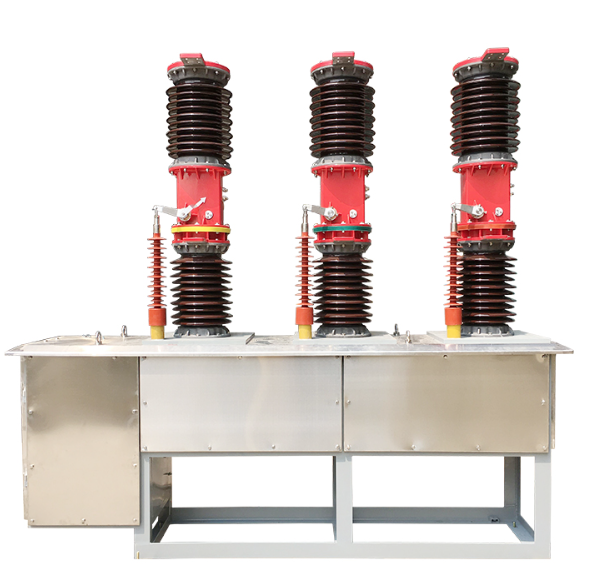
Requesting a quotation for an sf6 ckt breaker requires more than simply asking for a price. A comprehensive quotation request ensures you receive accurate pricing, appropriate technical solutions, and realistic delivery timelines that align with your project requirements. Understanding what information to include and what details to request back from suppliers directly impacts your procurement success, budget accuracy, and equipment performance once installed.
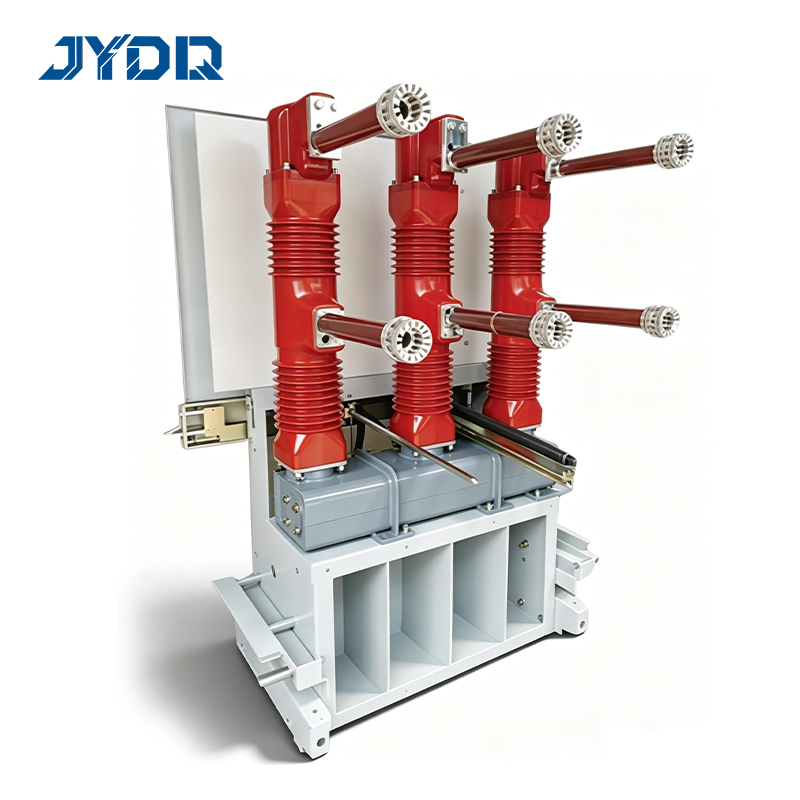
The process of obtaining the right sf6 ckt breaker quotation involves clear communication of your system's operational context, electrical requirements, and installation constraints. Suppliers use these details to calculate material costs, engineering specifications, and fulfillment schedules. By preparing a detailed quotation request upfront, you reduce back-and-forth communications, minimize scope misunderstandings, and establish a solid foundation for equipment selection and contract negotiation.
Essential Electrical Specification Details
Voltage and Current Ratings
Your sf6 ckt breaker quotation must clearly state the system voltage level at which the equipment will operate. Voltage ratings determine the insulation design, contact configuration, and overall physical dimensions of the breaker. Include both the nominal voltage and the maximum permissible overvoltage levels your system experiences. Current ratings should reflect the continuous rated current and the maximum fault current the breaker must interrupt safely. These electrical parameters are non-negotiable in your quotation specification, as they directly influence equipment cost, delivery complexity, and compatibility with your existing infrastructure.
The frequency of operation also belongs in your specification—whether 50 Hz or 60 Hz affects internal design components and performance characteristics. Document the fault duty cycle and the anticipated number of operations per year, as these factors influence maintenance intervals and total cost of ownership calculations that suppliers include in their quotation response.
Operating Environment and Location Context
Environmental conditions shape sf6 ckt breaker selection and pricing. Your quotation request should specify whether the installation is indoor or outdoor, the altitude at which equipment will operate, and the typical ambient temperature range. Outdoor applications require weatherproofing and corrosion protection measures that increase quotation prices compared to sheltered indoor installations. High-altitude locations demand enhanced insulation levels, which also affects the quotation cost structure and specification requirements.
Seismic considerations, high-wind exposure, or extreme temperature zones should all be documented in your procurement specification. Suppliers use this information to determine whether standard designs meet your requirements or whether custom engineering is necessary—a distinction that substantially impacts both quotation accuracy and project timeline expectations.
Technical Specification and Procurement Parameters
Control System Integration and Interface Standards
Modern sf6 ckt breaker systems require integration with supervisory control and data acquisition (SCADA) infrastructure and protection relays. Your quotation request must define the communication protocol—whether Modbus, IEC 60870-5-104, DNP3, or proprietary systems—that the breaker's control interface must support. Specify the auxiliary contact configuration, voltage ratings for control circuits, and any redundancy or failover requirements your system demands. These procurement details influence engineering scope and often appear as line items in supplier quotations.
Include trip and close times, resistance to contact erosion, and any special operating sequences your application requires. Suppliers need this specification information to configure the breaker's control logic and determine whether standard factory designs suit your needs or whether custom programming increases both quotation cost and delivery timeline.
Maintenance and Support Requirements
Your procurement quotation request should outline expected maintenance protocols and spare parts availability. Ask suppliers to include in their quotation response the recommended maintenance interval, typical lifespan of consumable components, and the availability of replacement parts over the equipment's anticipated service life. Request information about commissioning support, operator training, and technical documentation language preferences—these services often appear as separate line items in supplier quotations but are essential to total cost assessment.
Clearly state whether you expect the supplier to provide installation supervision, on-site testing, or performance verification during the commissioning phase. These support elements should be explicitly addressed in your quotation request to prevent scope disputes and ensure suppliers understand your project's actual support requirements before submitting their quotation pricing.
Quotation Request Format and Commercial Terms
Delivery Schedule and Supply Chain Details
Your sf6 ckt breaker quotation must specify the required delivery date and whether partial shipments are acceptable. Manufacturing lead times for custom specifications can extend significantly, and suppliers use delivery commitments to determine production scheduling and material procurement costs—factors directly reflected in quotation pricing. Request that suppliers include in their quotation response realistic delivery timelines, any long-lead components, and whether expedited delivery options exist with associated cost premiums.
Include packaging and transportation requirements in your procurement specification. Whether equipment ships internationally, requires specialized crating for environmental protection, or needs particular handling certifications affects quotation completeness and accuracy. Clarify responsibility for insurance, documentation, and regulatory compliance related to sf6 gas handling and international freight, as these details influence total delivered cost and appear across multiple quotation line items.
Price Structure and Payment Terms
Request that suppliers structure their quotation to clearly separate material costs, engineering fees, manufacturing charges, testing costs, and service components. This granular quotation breakdown enables you to compare competing suppliers more accurately and identify where cost differences originate. Ask whether quotation prices include certification testing, factory acceptance testing (FAT), and documentation packages, or whether these services require additional payment.
Your quotation request should specify your preferred payment terms and whether installment options exist. Request that quotation validity period be clearly stated—whether prices hold for 30, 60, or 90 days. Include any volume discounts, bulk purchasing advantages, or long-term supply agreements that might reduce per-unit quotation pricing. Clear commercial terms in your quotation request prevent misunderstandings and establish realistic expectations for contract negotiations that follow.
FAQ
What core specification elements must appear in every sf6 ckt breaker quotation request?
Every quotation request must include voltage and current ratings, operating frequency, system fault duty, installation location type (indoor/outdoor), ambient temperature range, altitude, SCADA communication protocol requirements, auxiliary contact configuration, required maintenance intervals, and desired delivery date. These specification items form the foundation that suppliers use to calculate accurate quotation pricing and engineering scope.
How should procurement quotations address spare parts and long-term support availability?
Request that quotations explicitly include spare parts availability, typical component lifespan expectations, and the supplier's commitment to support the sf6 ckt breaker throughout its operational life. Ask for quotations to itemize training costs, commissioning expenses, and technical documentation provisions separately so you understand total cost of ownership beyond initial equipment purchase.
Why should my quotation request define control system integration requirements upfront?
Control system integration details directly impact both quotation scope and cost. Clearly specifying communication protocols, interface standards, and trip/close sequences in your quotation request prevents suppliers from making incorrect assumptions and ensures that quoted prices reflect your actual technical requirements. This upfront specification precision reduces engineering delays and contract disputes during implementation.

 EN