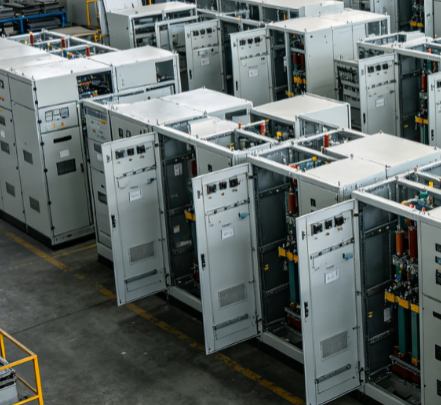
When procuring electrical infrastructure, buyers face critical decisions that directly impact system reliability, safety, and long-term operational costs. Reviewing test reports for gas insulated switchgear represents one of the most important steps in the procurement process, yet many organizations lack a structured approach to evaluating these technical documents. A comprehensive understanding of what to examine in these reports ensures that your organization selects equipment meeting both industry standards and specific operational requirements.
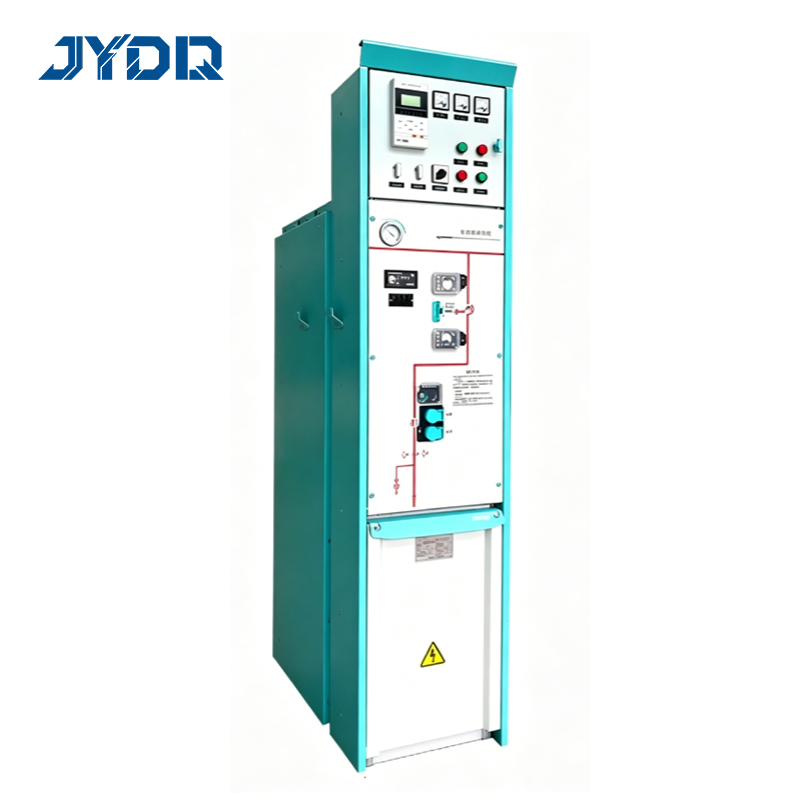
The test report serves as the definitive document proving that gas insulated switchgear equipment meets contractual specifications and regulatory mandates. For procurement professionals and engineering teams, understanding which test results matter most becomes essential for making informed decisions. This guide walks you through the key sections and metrics that warrant careful examination during your quality control review.
Understanding Core Performance Specifications in Test Reports
Electrical Performance Metrics
Test reports must clearly document electrical performance under normal and fault conditions. Verify that the test report includes dielectric strength measurements, which demonstrate the insulating gas's ability to withstand electrical stress without breakdown. These measurements typically appear as breakdown voltage values under standard atmospheric conditions and must align with your procurement specifications and relevant international standards such as IEC 62271.
Current-carrying capacity and thermal performance represent additional critical metrics requiring careful review. The test report should confirm that the gas insulated switchgear maintains temperature limits within design parameters during continuous rated current operation. Buyers should cross-reference these values against equipment nameplate ratings and ensure consistency throughout the documentation. Any deviations or exceptions noted in test results require explanation from the manufacturer before acceptance.
Gas Composition and Purity Analysis
The insulating gas composition forms the foundation of gas insulated switchgear performance and reliability. Test reports must include detailed analysis of gas purity, including measurements of water content, oxygen concentration, and potentially harmful contaminants. Moisture levels directly affect dielectric strength, and most standards specify maximum allowable water vapor content measured in parts per million.
During your quality control assessment, confirm that gas composition testing occurred at the final manufacturing stage before shipment. Verify that the test report includes date stamps and environmental conditions during sampling, which establish the data's validity. Any measurements approaching maximum allowable limits should trigger follow-up questions regarding gas handling procedures and equipment storage conditions.
Mechanical and Structural Integrity Assessment
Pressure Testing and Leak Detection
Gas insulated switchgear enclosures must maintain pressure integrity throughout their service life, making pressure test results absolutely fundamental to procurement decisions. The test report should document pressure hold tests where the equipment maintains specified gas pressure for extended periods without measurable loss. Buyers should verify that leak detection methods meet or exceed accepted standards, typically employing helium mass spectrometry or other sophisticated techniques capable of detecting extremely small leakage rates.
Mechanical strength testing often accompanies pressure testing in comprehensive test reports. These assessments confirm that the gas insulated switchgear structure withstands mechanical stresses encountered during installation, operation, and potential fault events. Review the test report for documentation of stress calculations, material certifications, and any remedial actions taken when test results initially fell below specifications.
Corrosion Resistance and Material Quality
Long-term reliability depends critically on material quality and corrosion resistance properties documented in test reports. Buyers should examine evidence of material traceability through test reports that include mill certificates for steel, aluminum, and copper components. Corrosion testing conducted according to IEC standards demonstrates material suitability for the intended environment, whether coastal, urban, or industrial.
Surface finish specifications and coating quality assessments appearing in procurement-related test reports provide assurance against premature degradation. The test report should detail any surface treatments applied and their measured effectiveness against corrosion initiation. Pay particular attention to areas prone to galvanic corrosion where dissimilar metals meet, as these locations require enhanced protection.
Regulatory Compliance and Documentation Standards
Certification Against International Standards
Comprehensive test reports explicitly reference the international and regional standards against which gas insulated switchgear undergoes evaluation. Most modern procurement specifications require compliance with IEC 62271-100 for general requirements or IEC 62271-203 for indoor systems. The test report must clearly identify which standard version applied during testing, as requirements evolve periodically and older equipment may not meet current specifications.
Buyers should verify that all required type tests appear in the test report with documented results clearly marked as pass or fail. Type tests typically include voltage withstand tests, impulse tests, short-circuit current tests, and mechanical operation tests performed on sample units before production begins. The test report should identify which unit served as the type test specimen and provide traceability to your specific procurement lot.
Quality Control Test Records
Beyond type testing, routine quality control testing confirms that production units maintain the design performance established during type approval. Individual gas insulated switchgear units undergo factory acceptance tests documented separately from type test reports. These quality control records must appear in the complete test report package and should include date codes, serial numbers, and operator identification for full traceability.
When reviewing quality control documentation, verify that test intervals comply with procurement specifications and relevant standards. Missing or underdocumented test results should prompt immediate clarification requests before equipment acceptance. Buyers should establish clear procedures requiring test report completion before payment processing, as this creates strong incentive for thorough documentation practices throughout the manufacturing cycle.
FAQ
What specific measurements indicate acceptable gas quality in test reports?
Gas quality test results should document moisture content typically below 50 parts per million, oxygen concentration below 500 parts per million, and sulfur hexafluoride purity above 99.5 percent. These measurements ensure that the gas insulated switchgear maintains its designed electrical performance throughout service life. Test reports must also include documentation of gas handling procedures and storage conditions that preserve purity before installation.
How can buyers verify that test reports match specific equipment models?
Comprehensive test reports include detailed nameplate data, serial numbers, and model designations that must precisely match your purchase order specifications. The test report should cross-reference the equipment with any design modifications or customizations incorporated for your application. Buyers should request side-by-side comparison of test report specifications against equipment tags and nameplate markings to eliminate any uncertainty regarding test validity for your specific procurement lot.
What documentation should accompany test reports during procurement quality control?
Complete procurement packages include original test reports with quality control signatures, material certifications for critical components, calibration records for test equipment, and technical drawings identifying tested units. The test report should be supplemented by certifications of compliance with applicable standards and any third-party independent verification when contractually required. Buyers should establish procedures requiring review of this complete documentation package before formal equipment acceptance.

 EN