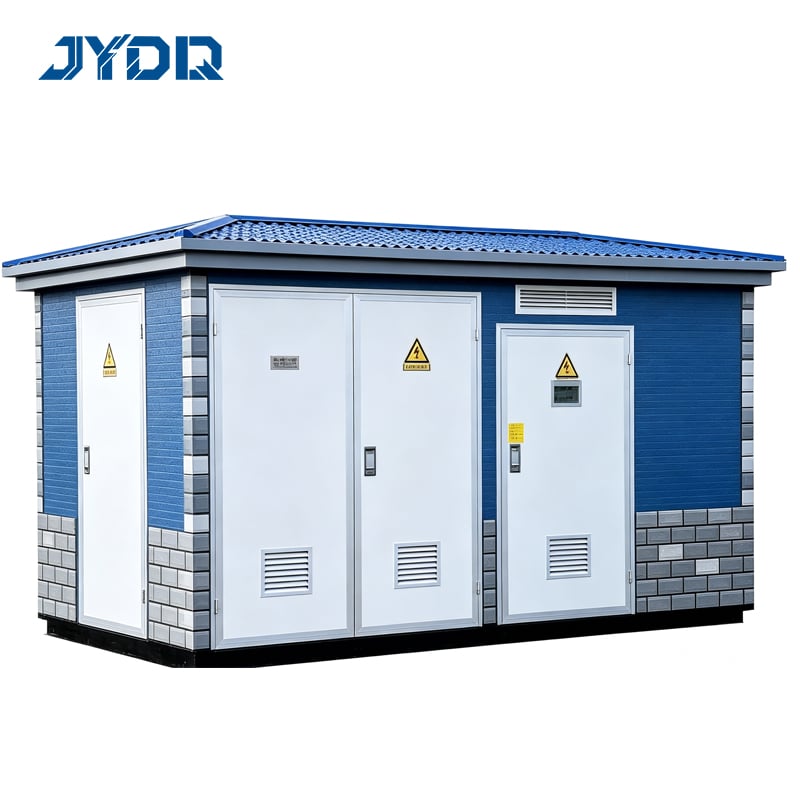
A prefabricated box-type transformer substation represents a modern approach to electrical infrastructure, combining multiple power distribution components into a single integrated unit. Understanding the switchgear specifications used inside these compact substations is essential for engineers, facility managers, and electrical professionals who need to design, operate, or maintain reliable power systems. The switchgear selection directly impacts system safety, operational efficiency, and long-term maintenance costs.
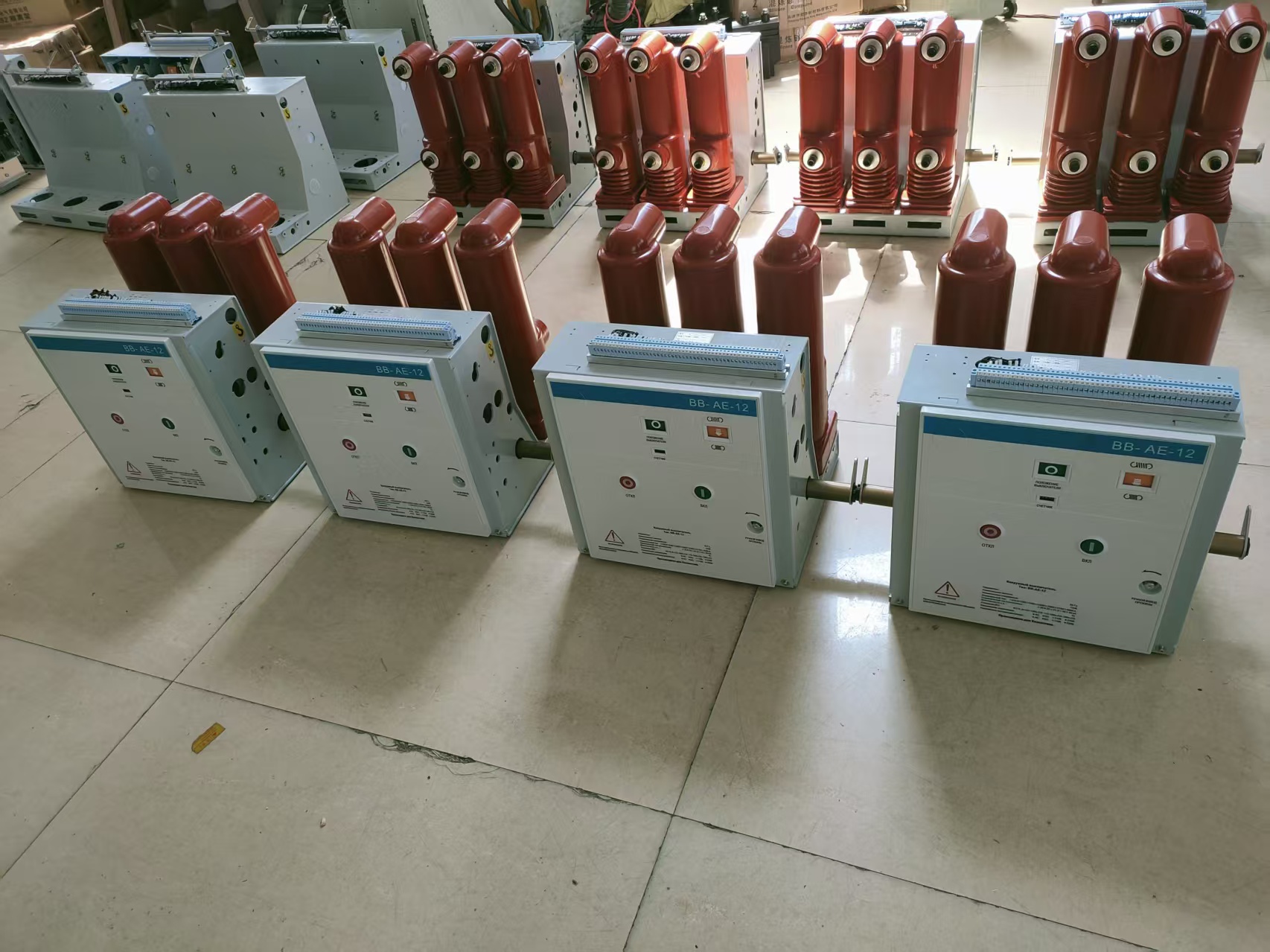
Inside a compact substation, switchgear serves as the control and protection layer for power distribution, ensuring safe isolation, switching, and circuit protection. Modern prefabricated box-type transformer units integrate specialized switchgear components that meet strict industrial standards and operational demands. These substations are engineered to handle medium voltage levels, typically ranging from 6 kV to 35 kV, making switchgear selection a critical design consideration that affects both performance and durability.
Primary Switchgear Components in Compact Substations
Medium Voltage Disconnect Switches
Disconnect switches form the foundation of switchgear architecture within a compact substation. These devices provide manual isolation capability, allowing maintenance personnel to safely disconnect circuits from the power supply. In prefabricated box-type transformer installations, disconnect switches are typically mounted in the incoming section to isolate the entire substation from the external grid. They handle the rated voltage and current of the system without allowing the disconnection to occur under load conditions, ensuring operator safety and equipment protection.
The switchgear specification for disconnect switches in a prefabricated box-type transformer substation must align with the system voltage rating. Outdoor compact substations often utilize weatherproof, cast-resin or metal-enclosed disconnect switches designed to withstand environmental exposure. These switches are connected to visible operating handles, making their operational state immediately apparent to maintenance staff, a critical safety feature in power distribution facilities.
Load Break Switches with Fuses
Load break switches represent an essential layer of switchgear protection within compact substation designs. Unlike simple disconnects, load break switches can interrupt current under load conditions, providing active circuit control. In a prefabricated box-type transformer, these switches often incorporate fuse elements that provide overcurrent and short-circuit protection for transformer circuits and outgoing distribution feeders. The combination of switching capability and fuse protection offers reliable automatic disconnection during fault conditions.
Fused load break switches used in compact substations must be carefully selected based on the protected circuit's characteristics. The fuse rating determines the fault current level at which automatic disconnection occurs, directly protecting downstream equipment and personnel. Modern switchgear installations in prefabricated box-type transformer units employ dual-element fuses with current-limiting characteristics that reduce thermal stress on system components.
Control and Protection Switchgear Systems
Medium Voltage Circuit Breakers
Circuit breakers represent the most sophisticated switchgear element within a compact substation framework. These devices automatically interrupt fault currents while maintaining system stability during normal operation. In a prefabricated box-type transformer configuration, medium voltage circuit breakers are typically installed on the transformer primary winding, providing comprehensive protection against short circuits, overloads, and ground faults. The switchgear's trip characteristics determine how quickly the circuit breaker responds to abnormal conditions.
Modern compact substations integrate vacuum or SF6 circuit breaker technology that offers superior arc extinction and extended operational life. These circuit breakers within the prefabricated box-type transformer unit are coordinated with secondary distribution switchgear to ensure selective tripping, meaning only the affected feeder disconnects during a fault rather than the entire substation shutting down. This coordination strategy minimizes service interruptions and improves overall power system reliability.
Distribution Switchgear and Protection Relays
Outgoing feeders from a compact substation require dedicated switchgear to control power distribution to end-use equipment and downstream substations. These distribution circuits typically employ load break switches, circuit breakers, or fused switches sized according to individual feeder capacity requirements. The switchgear configuration varies based on whether the substation serves radial distribution, loop feeds, or interconnected network systems.
Protection relays integrated into the switchgear system provide monitoring and coordination functions essential for reliable power distribution. Microprocessor-based protection relays within modern prefabricated box-type transformer installations continuously measure current and voltage, executing automatic disconnection sequences when predetermined thresholds are exceeded. These relays coordinate with multiple switchgear devices to implement selective protection schemes that isolate faults at the point of occurrence while maintaining service to unaffected circuits.
Earthing and Safety Switchgear Features
Grounding Switchgear and Earthing Equipment
Earthing switchgear represents a critical safety component within compact substation design. These devices, often called earth switches or grounding switches, provide a controlled path for fault currents and equipment charging currents to flow safely to ground. In a prefabricated box-type transformer substation, earthing switchgear is installed on both primary and secondary circuits, ensuring that isolated sections can be safely discharged before maintenance personnel work on the equipment.
The switchgear installation must include visible grounding provisions and clear operational sequences that prevent accidental contact with live conductors. Modern compact substations integrate interlocking mechanisms that prevent disconnection of earthing devices until the main isolation switches are opened, providing multiple layers of personnel protection. These interlocking features between switchgear elements are essential for maintaining safe working conditions in prefabricated box-type transformer installations.
Surge Protection and Coordination
Surge protection devices integrated into the switchgear system of a prefabricated box-type transformer safeguard connected equipment from transient overvoltages caused by lightning strikes and switching operations. Metal oxide varistors (MOVs) and other surge suppression elements are coordinated with primary and secondary switchgear to ensure that transient voltages are limited to safe levels. The switchgear design must provide adequate physical separation between high-voltage and low-voltage components to prevent arc propagation during fault conditions.
Proper switchgear coordination ensures that protection devices operate in sequence, with the most upstream devices responding first to isolate faults at the source. In a compact substation, this coordination principle applies both within the prefabricated box-type transformer unit and between substation switchgear and external feeder protection systems. Coordination studies determine the optimal time-current settings for each switchgear element, ensuring reliable and selective fault isolation.
FAQ
What voltage levels does switchgear in a prefabricated box-type transformer typically handle?
Switchgear in prefabricated box-type transformer substations typically handles medium voltage ranges from 6 kV to 35 kV on the primary side, with secondary distribution voltages commonly ranging from 400 V to 11 kV. The specific voltage ratings depend on the substation's designed purpose and regional power system standards. Switchgear selection must precisely match these voltage levels to ensure safe and reliable operation throughout the compact substation's service life.
How is switchgear protection coordinated within a compact substation?
Switchgear protection coordination in a prefabricated box-type transformer involves setting time-current characteristics so that overcurrent devices closest to a fault operate first, isolating only the faulted circuit. Protection relays within the switchgear system communicate with circuit breakers and load break switches to execute coordinated disconnection sequences. This selective coordination prevents unnecessary outages of healthy circuits and maintains power distribution to as many customers as possible during fault conditions.
Why must earthing switchgear be included in a prefabricated box-type transformer substation?
Earthing switchgear in a compact substation provides a safe path for fault currents to flow to ground and enables controlled discharge of residual voltage before maintenance work begins. This switchgear component prevents accidental electrocution of maintenance personnel and protects sensitive equipment from damage caused by residual charge. Proper earthing switchgear operation is a fundamental safety requirement mandated by electrical codes and standards for all prefabricated box-type transformer installations.

 EN