Replacing an existing transformer with a dry-type unit represents a significant infrastructure decision for industrial facilities. Whether driven by aging equipment, capacity constraints, or modernization goals, this transition requires careful evaluation of technical, operational, and financial factors. A dry-type transformer offers distinct advantages in safety, maintenance, and environmental performance compared to traditional oil-filled models, but the retrofit process itself involves unique challenges and planning considerations that can substantially impact project success and total cost of ownership.
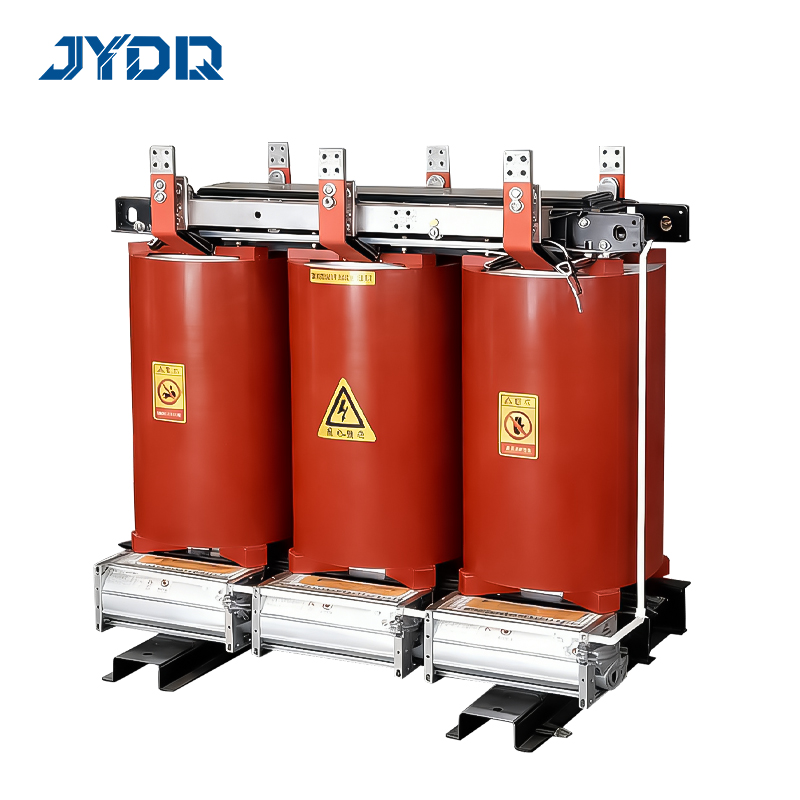
Understanding what to consider when replacing an existing transformer with a dry-type unit starts with recognizing how this technology differs fundamentally from conventional designs. Dry-type models eliminate the need for cooling oil, relying instead on air circulation and advanced insulation materials to manage heat dissipation. This shift in cooling methodology directly influences installation space requirements, electrical clearances, ventilation design, and overall facility modifications needed to support the new equipment.
Site Assessment and Physical Space Requirements
Evaluating Transformer Location and Environmental Fit
The first critical step in any transformer replacement project involves thoroughly assessing your current installation site. A dry-type transformer typically requires different dimensional footprints and clearance patterns than the oil-filled unit it will replace. The absence of an oil cooling system means these units often have different height and width profiles, and they generate heat directly into the surrounding air rather than through a separate oil circulation loop. Before committing to retrofit plans, measure available floor space, ceiling heights, access routes for equipment delivery, and surrounding structural elements. Verify whether the existing transformer mounting foundation can accommodate the new unit's weight distribution, as dry-type transformers may have different center-of-gravity characteristics despite comparable power ratings.
Ventilation and Thermal Management Considerations
Proper airflow is essential for dry-type transformer performance and longevity. Unlike oil-filled designs that rely on oil circulation, a dry-type transformer depends on ambient air movement to carry away operational heat. Assess whether your current installation space provides adequate ventilation capacity. This may require new air intake paths, exhaust pathways, or even HVAC modifications to maintain acceptable operating temperatures. Calculate the thermal load your facility's cooling infrastructure must handle, as undersized ventilation will cause the transformer to operate at elevated temperatures, reducing efficiency and lifespan. In confined spaces or indoor installations, you may need to install dedicated cooling systems or expand existing ones to support the transformer replacement successfully.
Electrical and Load Analysis for Successful Retrofit
Power Demand and Capacity Planning
A transformer replacement often represents an opportunity for a power upgrade alongside equipment modernization. Evaluate your facility's current electrical load profile and project future demand growth. Many retrofit projects fail to capitalize on this timing and install equipment sized identically to aging predecessors, missing the chance to build capacity for business expansion. Calculate whether maintaining the same power rating suffices or whether stepping up to the next standard capacity would better serve long-term operations. A dry-type transformer chosen with forward-looking capacity planning may cost slightly more initially but avoids the expense and disruption of another replacement in five to ten years. Review historical load data, identify peak consumption periods, and consider whether planned facility expansion, additional equipment, or process automation will increase electrical demand in the coming years.
Voltage and Connection Configuration Verification
Verify that your facility's primary and secondary voltage requirements remain unchanged, or determine how to accommodate different configurations if needed. Many transformer replacement scenarios involve simple like-for-like voltage matching, but some installations may benefit from reconfiguration to optimize efficiency or support new equipment. Check transformer winding configurations, tap settings, and protection device coordination with your electrical system. Ensure the new dry-type transformer's electrical characteristics align with existing switchgear, distribution panels, and downstream loads. Mismatches between the transformer's output impedance and the electrical distribution system can create unexpected harmonic distortion, nuisance tripping of protective devices, or accelerated wear on connected equipment. Engage electrical engineers to verify compatibility before finalizing equipment specifications.
Installation, Logistics, and Operational Disruption
Planning the Transformer Replacement Timeline
Scheduling the transformer replacement requires balancing operational continuity with practical installation requirements. If your facility operates continuously, plan the retrofit during designated maintenance windows or production shutdowns to minimize revenue impact. Coordinate with your facility operations team to identify low-demand periods when the existing transformer can be temporarily disconnected. A dry-type transformer retrofit typically requires deenergizing the equipment, removing the old unit, installing structural or foundation modifications if necessary, positioning the new transformer, establishing electrical connections, performing testing, and returning the unit to service. The total timeline can span several days to weeks depending on site-specific complexity, coordination requirements, and testing protocols. Arrange for qualified installation contractors in advance, as experienced teams familiar with dry-type transformer installations can significantly reduce on-site time and commissioning risk.
Contractor Selection and Quality Assurance
Selecting qualified contractors experienced in dry-type transformer retrofit projects is crucial to avoiding costly mistakes and ensuring long-term reliable operation. The transformer replacement requires expertise in electrical safety, equipment handling, thermal system setup, and commissioning protocols specific to dry-type technology. Request references from contractors who have completed similar retrofit projects and verify their familiarity with your industry or facility type. Establish clear contractual terms defining installation scope, timeline, warranty coverage, and performance testing requirements. Require contractors to perform factory acceptance testing on the new unit before delivery and site acceptance testing after commissioning to verify proper operation. Quality assurance during installation protects your facility investment and ensures the transformer operates at designed efficiency throughout its intended lifespan.
Financial and Environmental Factors
Total Cost of Ownership and Long-Term Value
While the initial purchase price of a dry-type transformer may exceed that of an oil-filled replacement, the total cost of ownership often favors the upgrade. Dry-type units typically require lower maintenance expenses, eliminate oil disposal and environmental cleanup costs, and often operate more efficiently across varying load conditions. Calculate the energy savings potential by comparing the efficiency ratings of the existing transformer to the proposed dry-type unit. Modern dry-type transformers achieve efficiency levels exceeding ninety-eight percent in many applications, potentially reducing energy waste and lowering operational electricity costs. Factor in potential rebates or incentives offered by utility companies for upgrading to high-efficiency transformers. Over a twenty to thirty year service life, these cumulative savings often justify the higher initial investment while simultaneously improving facility environmental performance and reliability.
Sustainability and Regulatory Compliance
Environmental regulations governing transformer disposal, contamination liability, and energy efficiency are increasingly stringent across industrial sectors. Replacing an aging oil-filled transformer with a dry-type unit aligns facility operations with evolving environmental standards and reduces potential liability exposure. Dry-type transformers eliminate the environmental risks associated with oil spills, leaks, and disposal, providing peace of mind regarding facility compliance and community safety. Many jurisdictions now offer tax incentives or grants for retiring old oil-filled transformers and installing high-efficiency dry-type replacements. Beyond regulatory benefits, upgrading to dry-type transformer technology demonstrates commitment to sustainable operations, which can enhance facility reputation and support corporate environmental goals. Review applicable environmental regulations in your jurisdiction to understand compliance requirements and available incentive programs that may offset retrofit costs.
FAQ
What are the main advantages of a dry-type transformer compared to an oil-filled model?
A dry-type transformer eliminates fire risk associated with flammable cooling oils, requires minimal maintenance compared to oil-filled units, and produces lower environmental liability. These transformers operate silently, generate lower noise levels than oil-cooled alternatives, and maintain high efficiency across varying load conditions. The elimination of oil cooling systems simplifies facility maintenance and reduces the complexity of environmental compliance and periodic oil testing.
How does transformer replacement affect facility electrical distribution and connected equipment?
When performing a transformer replacement, the new unit's electrical characteristics must match or complement your existing distribution system to avoid harmonic distortion, nuisance protective device tripping, or accelerated equipment wear. Verify impedance matching, voltage regulation capabilities, and grounding configurations to ensure compatibility with downstream loads and switchgear. Proper installation with correct electrical coordination protects connected equipment and prevents cascading failures.
Can a retrofit to a dry-type transformer include a power upgrade in the same project?
Yes, a transformer replacement presents an ideal opportunity to evaluate and potentially implement a power upgrade alongside modernization. Stepping to a higher capacity rating during retrofit avoids repeating the installation disruption in future years and accommodates facility growth. Assess long-term electrical demand projections and facility expansion plans to determine whether higher capacity rating justifies the modest additional investment.

 EN