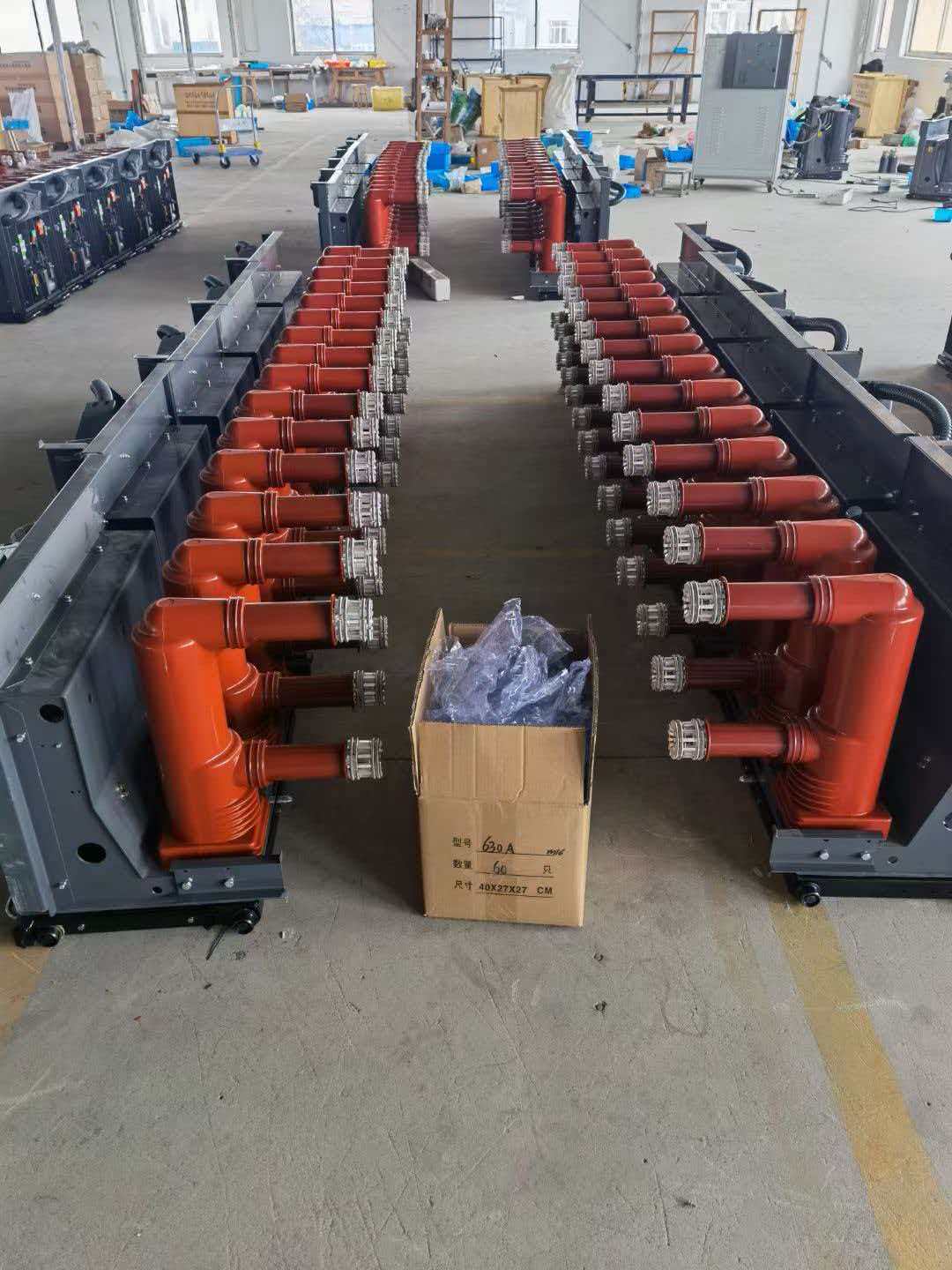
Loose connections in electrical switchgear represent one of the most dangerous yet preventable maintenance challenges facing industrial facilities today. When terminals, bus bars, or cable connections within electrical switchgear begin to loosen, they create electrical resistance that generates excess heat, threatens equipment integrity, and poses serious safety risks to personnel. Understanding how to identify these dangerous loose connections before they cause equipment failure or facility shutdown is critical for any maintenance team responsible for reliable power distribution.
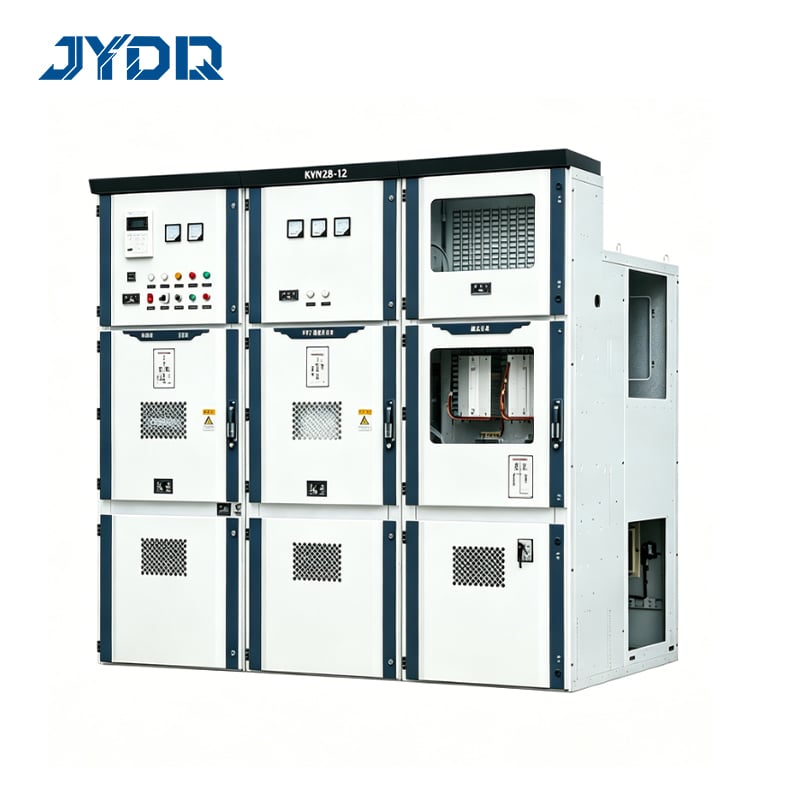
The consequences of ignoring loose connections extend beyond simple downtime. Undetected loose connection problems in electrical switchgear accelerate the onset of overheating, which degrades insulation materials, weakens mechanical structures, and creates fire hazards within enclosed cabinets. Regular inspection protocols combined with proper detection methods allow maintenance teams to catch these issues early, extend equipment lifespan, and maintain safe operating conditions throughout the facility.
Visual and Physical Detection Methods
Surface-Level Inspection Techniques
The most straightforward approach to identifying loose connections begins with careful visual examination of all accessible components within electrical switchgear. Look for discoloration, scorch marks, or charring around terminal points, as these indicate previous overheating from loose connection problems. Inspect cable entry points where connections frequently loosen due to vibration and thermal cycling. Check whether terminal covers show signs of heat damage, corrosion accumulation, or discoloration patterns suggesting intermittent contact issues.
Physical inspection of loose connection indicators requires a systematic approach. Gently attempt to move cables, bus bars, and connector hardware by hand to detect any unwanted movement that suggests inadequate clamping force. Listen for crackling or buzzing sounds emanating from the electrical switchgear during operation, as these acoustic signals often indicate arcing caused by loose connections. Perform a tactile check of accessible bolts and fasteners to verify they remain properly tightened according to manufacturer specifications.
Thermal Assessment and Heat Signatures
Overheating directly correlates with loose connection presence in electrical switchgear, making thermal imaging a valuable diagnostic tool. Infrared thermography detects abnormal temperature patterns that reveal loose connections before visible damage appears. Elevated temperatures at terminal connections, bus bar junctions, or cable lugs indicate resistance-producing loose connections generating excess heat. Thermal assessment becomes particularly valuable during equipment operation when connection failures are most likely to manifest as measurable temperature differential.
Compare thermal readings across symmetrical components within the electrical switchgear. If one phase measures significantly hotter than others, loose connection problems likely exist at the hotter location. Baseline thermal readings established during routine maintenance provide reference points for future comparison. Any unexplained temperature increase at connection points warrants immediate investigation and corrective action to prevent overheating consequences.
Advanced Diagnostic Tools and Measurement Techniques
Resistance Measurement and Electrical Testing
Electrical resistance testing provides quantitative evidence of loose connections within electrical switchgear. Perform microhm or resistance measurements across connection points using calibrated test equipment designed for low-resistance applications. Measurements significantly higher than baseline values or manufacturer specifications indicate loose connection issues requiring correction. This testing approach works effectively for both power connections and control circuit terminals where loose connections create similar resistance problems.
Contact resistance testing identifies loose connection faults that produce no visible symptoms but gradually degrade electrical switchgear performance. This method measures the voltage drop across suspect connections under controlled current flow, revealing resistance values that indicate connection quality. Trending these measurements over time reveals deterioration patterns that predict when loose connections will likely cause operational problems or safety hazards.
Vibration Analysis and Mechanical Assessment
Vibration monitoring can detect loose connections in electrical switchgear by identifying mechanical looseness within terminal assemblies and mounting structures. Accelerometers mounted on cabinet surfaces detect vibration signatures associated with loose hardware and inadequate clamping force. High-frequency vibration components often increase when loose connections develop, providing early warning of connection degradation before overheating or failure occurs.
Ultrasonic listening devices amplify high-frequency sounds produced by arcing and loose connection activity within electrical switchgear, making previously inaudible fault indicators audible to maintenance personnel. These tools prove particularly effective in noisy industrial environments where loose connection sounds would otherwise escape detection. Acoustic emission monitoring represents a non-invasive approach to continuous loose connection surveillance.
Comprehensive Inspection Planning and Prevention
Developing Effective Inspection Schedules
Preventive maintenance schedules should include regular inspection protocols specifically designed to detect loose connections before they cause overheating or operational failures in electrical switchgear. Monthly visual inspections combined with quarterly thermal assessments and biennial resistance measurements create a comprehensive loose connection detection strategy. Increase inspection frequency for equipment operating under vibration-prone conditions or experiencing thermal stress that accelerates loose connection development.
Document all inspection findings, measurement values, and corrective actions performed on electrical switchgear components. This historical data enables trend analysis that reveals patterns in loose connection development and helps predict future maintenance needs. Maintenance records guide decision-making regarding equipment replacement timing and identify whether particular installation batches exhibit higher loose connection rates.
Remediation and Long-Term Reliability
When inspection identifies loose connections in electrical switchgear, immediately de-energize the equipment and perform corrective tightening according to torque specifications provided by the manufacturer. Apply medium-strength threadlocker compound to fasteners prone to vibration-induced loosening. Verify tightening accuracy using calibrated torque wrenches to ensure connections achieve proper clamping force that prevents future overheating issues.
Address underlying causes of recurring loose connections within electrical switchgear. Investigate whether inadequate initial installation torque, vibration from nearby equipment, or thermal cycling patterns contribute to repeated failure. Implement mechanical improvements such as lock washers, spring washers, or Belleville washers that maintain clamping force despite environmental stresses. These preventive measures substantially reduce loose connection recurrence rates and improve overall electrical switchgear reliability.
FAQ
What visible signs indicate loose connections in electrical switchgear?
Common visible signs of loose connections include discoloration or scorch marks around terminals, charring on cable jackets near connection points, corrosion accumulation at terminal surfaces, and visible movement of cables or conductors when gently manipulated. Acoustic indicators such as crackling or buzzing sounds during operation also suggest loose connection problems developing within the electrical switchgear.
How does overheating relate to loose connection detection in electrical switchgear?
Loose connections generate electrical resistance that produces excess heat at the connection point. This overheating signature can be detected using infrared thermography, which reveals abnormally elevated temperatures compared to other components or baseline readings. Temperature increases at connection locations provide early warning of loose connection problems before mechanical failure occurs in the electrical switchgear.
What preventive measures reduce loose connection problems in electrical switchgear?
Regular inspection protocols using visual, thermal, and resistance measurement techniques form the foundation of loose connection prevention. Proper torque application using calibrated tools, application of threadlocker compounds, and use of mechanical locking devices such as lock washers maintain clamping force despite environmental stresses. Documented maintenance records enable trend analysis that identifies equipment or installation patterns exhibiting higher loose connection rates.

 EN