Proper storage of an oil immersed transformer before site installation is critical to maintaining equipment integrity, operational performance, and safety standards. Many facilities overlook the importance of correct handling and storage procedures, which can lead to costly damage, degradation of insulating oils, and potential failure after installation. Understanding how to store an oil immersed transformer protects your investment and ensures reliable performance once the unit enters service.
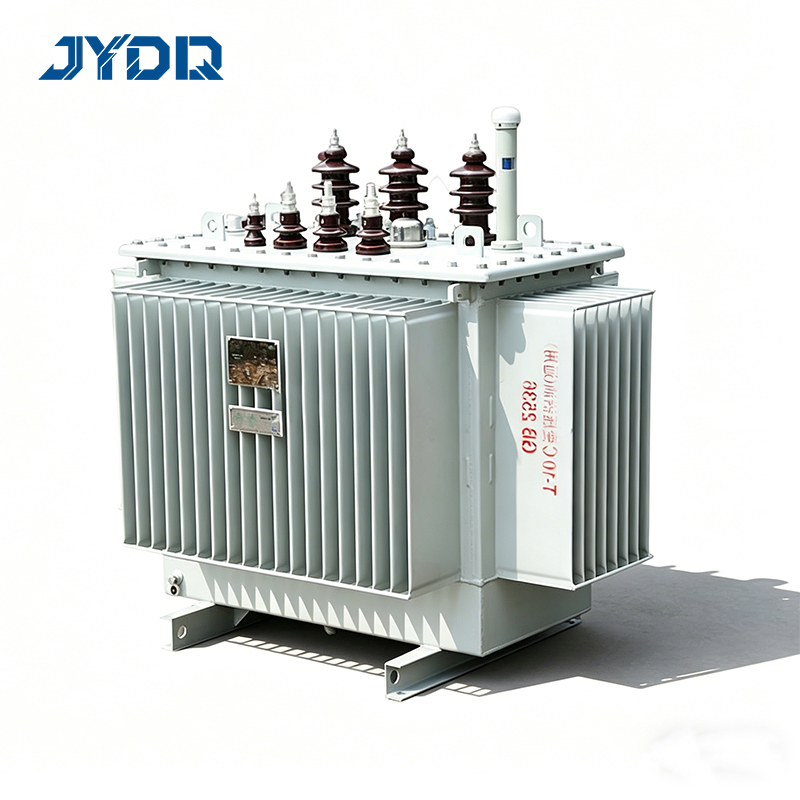
The process of equipment storage for transformers involves multiple considerations, from environmental protection to regular monitoring. Before site installation begins, facility managers and procurement teams must establish a comprehensive storage plan that addresses moisture control, temperature regulation, and physical protection. This transformer care approach minimizes the risk of insulating fluid contamination, winding damage, and corrosion that can compromise the unit's lifespan and efficiency.
Environmental Protection and Moisture Control
Creating Optimal Storage Conditions
Moisture is one of the primary threats to an oil immersed transformer during storage. The insulating oil inside the transformer can absorb water vapor from humid environments, which degrades its dielectric strength and increases the risk of electrical faults. Equipment storage facilities should maintain relative humidity levels between 45% and 75%, with temperature stability as a secondary priority. If stored outdoors, the transformer must be covered with weather-resistant tarps or placed in a weatherproof shelter to prevent rain, snow, and condensation from reaching the unit's surface.
Temperature and Climate Considerations
Temperature fluctuations during storage can cause thermal cycling of the oil, leading to expansion and contraction that stresses seals and gaskets. Site installation teams should avoid storing the oil immersed transformer in areas prone to extreme temperature swings or direct sunlight exposure. Indoor storage at controlled temperatures between 5°C and 40°C is ideal for transformer care and extends the lifespan of insulating materials. If outdoor storage is unavoidable, elevated storage platforms and reflective coverings help minimize thermal stress and reduce unwanted heat absorption.
Mechanical Integrity and Physical Protection
Securing and Positioning the Transformer
An oil immersed transformer must remain upright and stable throughout the entire equipment storage period. Proper securing prevents accidental tipping, which can damage the conservator tank, rupture cooling tubes, and contaminate the internal insulating oil with debris. Use adjustable leveling blocks or reinforced concrete pads to stabilize the unit on uneven ground. All lifting lugs and support points must be inspected before and after storage to ensure they remain structurally sound and ready for the final site installation phase.
Protection from External Contaminants
Dust, dirt, and industrial pollutants can accumulate on the transformer's exterior and enter through ventilation openings during equipment storage. These contaminants compromise transformer care by introducing particles that settle in the cooling oil and compromise insulation. Protective covers with mesh openings allow air circulation while blocking dust ingress. All cable entry points, terminal boxes, and drain plugs should be sealed with blind flanges or protective caps. Regular inspection and cleaning of the transformer's exterior surfaces during storage prevent contaminant buildup that could affect performance after site installation.
Monitoring and Maintenance During Storage
Regular Inspection Protocols
Equipment storage requires a structured monitoring schedule to detect early signs of deterioration or environmental exposure. Monthly inspections should include visual checks for leaks, surface corrosion, seal degradation, and any visible damage to cooling tubes or tank surfaces. Documentation of storage conditions, including temperature readings and humidity levels, creates a historical record that supports transformer care decisions. These inspection records prove valuable if issues arise after site installation, as they establish the unit's condition during the storage phase and help identify whether problems originated in storage or during installation procedures.
Oil Quality Monitoring
The insulating oil inside an oil immersed transformer can degrade during prolonged storage if exposed to moisture or temperature extremes. Before commencing site installation, consider conducting an oil analysis to verify that moisture content, dielectric strength, and acid number remain within acceptable ranges. If the transformer has been in storage for more than one year, oil testing becomes especially important for transformer care. Many facilities flush or replace the oil to restore its protective properties, ensuring the unit operates at peak efficiency once connected to the electrical network.
Site Installation Readiness and Final Steps
Pre-Installation Documentation
Thorough documentation throughout the equipment storage period supports a smooth transition to site installation. Record the storage location, duration, environmental conditions, and any maintenance or repairs performed. Photograph the transformer's condition before storage begins and periodically throughout the storage phase. This documentation serves as proof of proper transformer care and provides evidence of the unit's condition if performance issues emerge after site installation. Clear records also help installation crews understand the transformer's history and identify any potential concerns before energizing the equipment.
Preparation for Transport and Installation
As site installation approaches, prepare the transformer for relocation by verifying that all seals remain intact and no oil leakage has occurred during storage. Remove protective coverings only when ready to transport the unit to its final location. Inspect lifting equipment and rigging materials to ensure they can safely move the transformer without causing damage. Coordination between equipment storage personnel and site installation teams prevents delays and ensures the transformer enters service in the same condition it maintained throughout storage. Proper transformer care during this final transition phase protects your investment and guarantees operational reliability.
FAQ
What humidity level is ideal for storing an oil immersed transformer?
The ideal relative humidity range for equipment storage of an oil immersed transformer is between 45% and 75%. Humidity levels above 75% increase moisture absorption into the insulating oil, degrading its dielectric strength. Levels below 45% are rarely problematic but may indicate excessively dry conditions that could affect transformer care. Maintaining stable humidity prevents water contamination that causes electrical faults and reduces the transformer's operational lifespan after site installation.
How often should I inspect a transformer during the equipment storage period?
Monthly inspections are recommended during equipment storage to monitor the oil immersed transformer's condition and detect early warning signs. Each inspection should check for leaks, corrosion, seal integrity, and surface contamination. Documentation of these inspections creates a valuable maintenance record that supports transformer care decisions and provides evidence of proper handling. More frequent inspections may be necessary in harsh climates or if the storage period extends beyond six months, ensuring the transformer remains ready for site installation.
Should I test the insulating oil before site installation after prolonged storage?
Yes, oil testing is highly recommended for transformers that have been in equipment storage for more than one year. Testing should measure moisture content, dielectric strength, and acid number to verify the oil remains within acceptable operational parameters. This proactive transformer care approach prevents performance issues and electrical faults after site installation. If oil analysis reveals degradation, replacement or filtration may be necessary to restore the insulating oil's protective properties and ensure the transformer operates safely and efficiently.

 EN