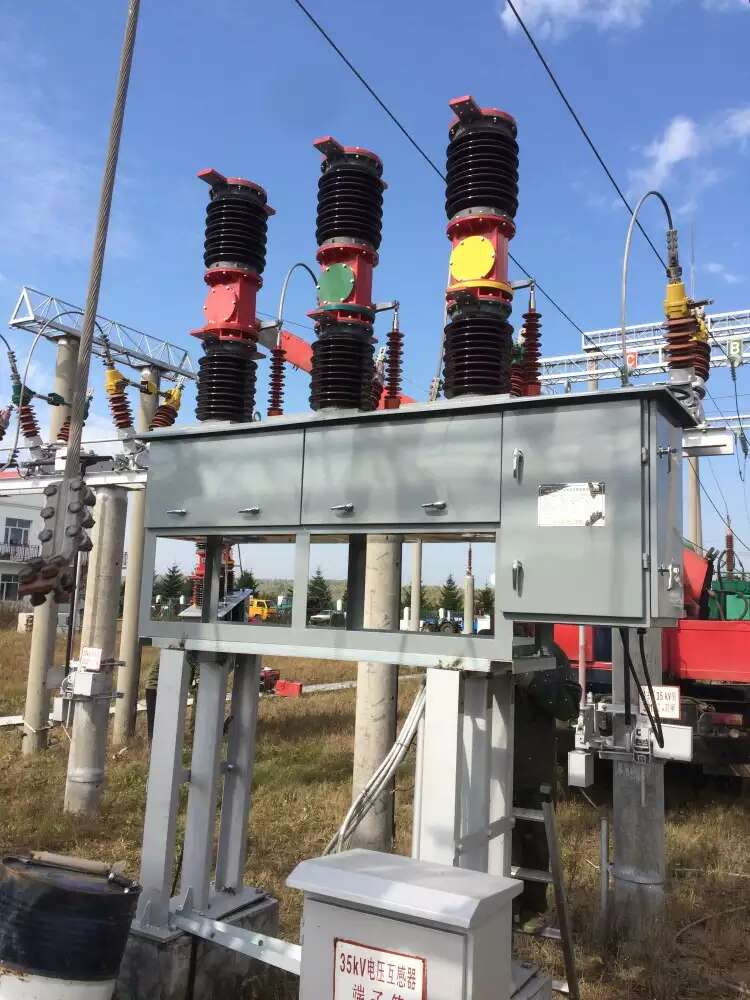
Selecting the right European-style cable box is a critical decision that directly impacts the safety, reliability, and efficiency of your electrical distribution system. Whether you are managing a manufacturing facility, commercial building, or utility infrastructure project, the cable box serves as a fundamental component for organizing, protecting, and managing high-voltage power cables. Making an informed selection requires understanding multiple technical specification factors, operational requirements, and installation considerations specific to European standards and your unique operational context.
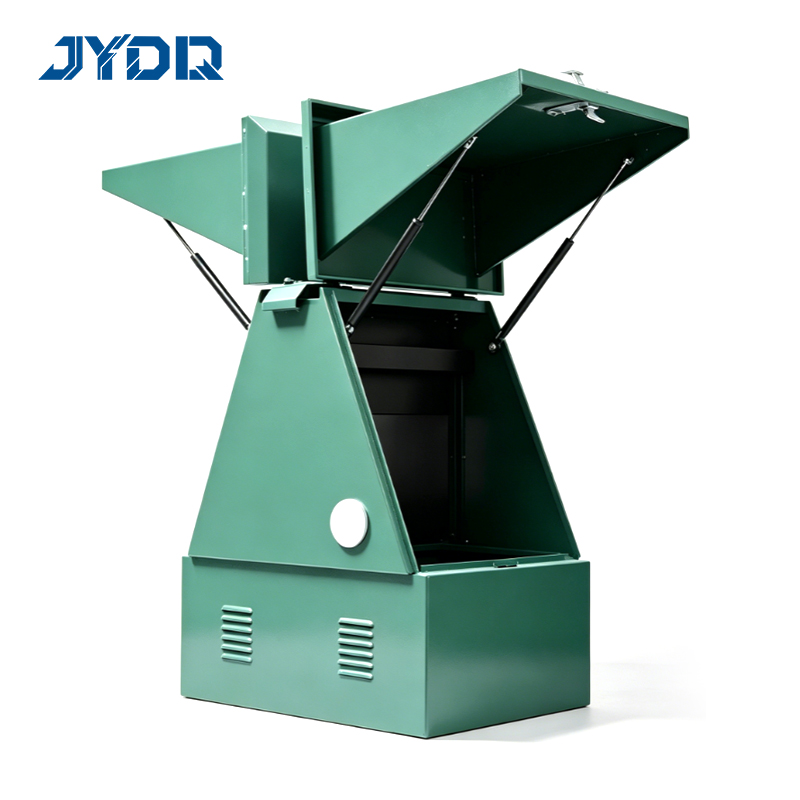
A European-style cable box differs from other cable management solutions in its compliance with European technical standards, structural design philosophy, and material specifications. Understanding these distinctions during your selection process ensures your chosen cable box meets regulatory requirements, integrates seamlessly with existing infrastructure, and provides long-term durability and performance in demanding industrial and commercial environments.
Evaluating Voltage Rating and Electrical Capacity
The voltage rating represents one of the most critical technical specification considerations when selecting a cable box. European standards define specific voltage classifications, typically ranging from medium-voltage to high-voltage applications. Your selection must align precisely with your system's operating voltage to ensure the cable box can safely handle electrical loads without degradation or failure. Undersizing the voltage rating creates serious safety hazards, while oversizing adds unnecessary cost and installation complexity.
Understanding Medium and High-Voltage Classifications
European-style cable boxes are engineered to accommodate specific voltage ranges established by international standards. Medium-voltage boxes typically handle between 6kV and 35kV, while high-voltage configurations manage 110kV and above. Each category requires different insulation materials, conductor spacing, and internal geometry. When evaluating cable box options, verify the exact voltage classification matches your facility's power distribution architecture and future expansion plans to avoid costly retrofitting or replacement scenarios.
Assessing Current Capacity and Load Handling
Beyond voltage rating, the current capacity of your cable box directly determines how much electrical load it can safely manage. Technical specification sheets typically indicate maximum continuous current ratings measured in amperes. Calculate your peak electrical demand and apply a safety margin to ensure the cable box never operates at maximum capacity continuously. This conservative approach prevents overheating, extends equipment lifespan, and maintains safety margins during unexpected load spikes in your electrical system.
Examining Materials, Durability, and Environmental Resistance
The materials used in cable box construction determine its durability, maintenance requirements, and suitability for specific environmental conditions. European-style cable boxes typically employ reinforced composite materials, galvanized steel, or corrosion-resistant alloys chosen for their ability to withstand industrial exposure and extreme weather. Your selection should account for the specific environmental context where the cable box will be installed, including temperature ranges, moisture exposure, chemical proximity, and UV radiation intensity.
Material Selection for Corrosion and Chemical Resistance
Coastal facilities, chemical plants, and outdoor installations demand cable boxes with superior corrosion resistance. Galvanized or stainless steel construction provides reliable protection against salt spray, moisture, and aggressive chemical environments. Composite materials offer excellent chemical resistance while reducing weight for installation. Evaluate the technical specification details regarding material grades and protective coatings to ensure the cable box you select will maintain structural integrity throughout its intended service life without excessive maintenance or premature degradation.
Temperature Range and Thermal Management Considerations
Environmental temperature extremes affect cable box performance and cable insulation integrity. European technical specifications define operating temperature ranges that vary by cable box design and material composition. Cable boxes installed in outdoor environments, boiler rooms, or refrigerated facilities experience temperature fluctuations that impact material brittleness, insulation effectiveness, and electrical conductivity. Review the thermal rating and verify the cable box maintains safe operating characteristics throughout the full temperature range expected in your specific location and industrial application context.
Analyzing Installation Requirements and Dimensional Compatibility
Successful cable box selection requires thorough evaluation of physical dimensions, mounting requirements, and integration compatibility with existing electrical infrastructure. European-style cable boxes follow standardized dimensional specifications that facilitate installation in common industrial settings, but your unique spatial constraints may require specific sizing or custom configurations. Dimensional compatibility directly affects installation timeline, labor costs, and long-term accessibility for maintenance and troubleshooting procedures throughout the cable box's operational lifetime.
Assessing Physical Dimensions and Space Requirements
Before finalizing your cable box selection, measure available installation space and verify that proposed models fit within physical constraints. European-style cable boxes range from compact single-compartment designs to large multi-chamber configurations accommodating numerous cable connections. Account for maintenance clearances on all sides to enable technician access for inspections, repairs, and cable management adjustments. Poor spatial planning during selection creates operational inefficiencies and safety hazards when maintenance personnel struggle to access internal components or execute emergency response procedures effectively.
Cable Entry and Connection Point Configuration
The number and type of cable entry points directly impact your cable box's compatibility with existing cable routing and future expansion capability. European standards define specific entry configurations, typically including bottom entry, side entry, and top-mounted connection options. Your selection must accommodate all current cables while providing reserved entry capacity for future system expansion. Verify that grommet materials, seal integrity, and entry point spacing meet European technical specification requirements to maintain IP ratings and prevent moisture intrusion or pest penetration into internal cable compartments.
Reviewing Regulatory Compliance and Safety Certifications
European-style cable boxes must comply with strict technical specification standards established by regulatory authorities and industry organizations. Certifications such as CE marking, compliance with IEC standards, and adherence to national electrical codes confirm that your selected cable box meets safety requirements and performs reliably within defined parameters. Verifying compliance during the selection process prevents installation delays, regulatory violations, and operational risks that could result from using non-compliant equipment in professional electrical infrastructure applications.
Understanding European Technical Standards and Certifications
European standards organizations have established comprehensive technical specification requirements that manufacturers must follow when designing and producing cable boxes for European markets. These standards address insulation materials, mechanical strength, electrical performance, and safety margins under fault conditions. During selection, request certification documentation confirming compliance with relevant standards. This verification ensures the cable box has undergone rigorous testing and meets the quality expectations established by European regulatory frameworks, providing confidence in its reliability and safety within your electrical system.
Verifying Safety Ratings and Operational Limits
Each European-style cable box carries defined safety ratings that establish operational limits and maintenance intervals. These ratings specify maximum fault current tolerances, temperature limits, and stress factors the cable box can withstand safely. Understanding and respecting these operational boundaries prevents equipment damage, worker safety incidents, and cascading system failures. Document all safety ratings in your facility's maintenance records and ensure operating personnel understand these critical parameters when making real-time decisions about cable routing, load management, and emergency response procedures.
FAQ
What technical specification details should I prioritize when comparing different cable box models?
Focus on voltage rating, current capacity, material composition, operating temperature range, and compliance certifications as primary selection criteria. These technical specification factors directly determine whether a cable box meets your facility's electrical requirements and operational environment. Cross-reference these specifications against your facility's power distribution architecture, expected load growth, and environmental conditions to make a well-informed selection that ensures long-term reliability.
How do I verify that a European-style cable box meets all required standards for my facility?
Request complete technical specification documentation and certification records from the manufacturer, including CE marking verification, IEC standard compliance confirmation, and test reports from independent certification bodies. Compare these documents against your local electrical codes and facility requirements to ensure compliance. Engaging with qualified electrical engineers or consultants familiar with European standards can help interpret complex technical specification requirements and prevent costly compliance errors.
What factors should influence my cable box selection timeline and purchasing decision?
Consider the installation schedule, supply chain lead times for specific cable box models, compatibility with existing infrastructure, and budget constraints when establishing your selection timeline. European-style cable boxes typically require longer procurement periods than standard domestic models. Plan your selection and ordering process well in advance to avoid installation delays. Balance technical specification perfection against practical project timelines, consulting with procurement and project management teams to identify realistic decision windows that meet operational start-date requirements.

 EN