A comprehensive transformer technical specification forms the foundation of any successful power equipment procurement and installation project. Whether you are preparing documentation for a tender, designing a new electrical system, or replacing aging equipment, the technical specification ensures that all stakeholders—engineers, manufacturers, contractors, and procurement teams—operate from a shared understanding of requirements and performance expectations. Without a well-structured technical specification, projects risk delays, cost overruns, equipment mismatches, and operational failures that could compromise safety and reliability.
The core purpose of a technical specification is to translate business and operational needs into precise, measurable, and verifiable requirements that guide equipment selection, design validation, and quality assurance. A robust technical specification reduces ambiguity, prevents scope creep, and establishes clear acceptance criteria for project completion. This document becomes the contractual reference point in the tender process and the baseline for project design decisions across all phases of implementation.
Core Power and Electrical Parameters
Voltage and Power Rating Requirements
The transformer technical specification must define the primary and secondary voltage levels with explicit tolerance ranges. Specify the rated power capacity in megavolt-amperes (MVA) or kilovolt-amperes (kVA), accounting for peak demand, future growth, and load diversity factors relevant to your project design. Document the voltage class, whether single-phase or three-phase operation is required, and any specific frequency requirements such as 50 Hz or 60 Hz operation. These parameters establish the fundamental sizing criteria that guide all downstream design decisions and tender evaluations.
Impedance and Loss Specifications
Include detailed impedance values for the transformer, expressed as a percentage of rated power, as this directly affects voltage regulation, short-circuit current limitation, and system stability. Specify maximum allowable copper losses (I²R losses) and core losses (iron losses) in kilowatts, which influence operational efficiency, cooling requirements, and lifecycle cost considerations in your project design. These electrical performance parameters must align with international standards such as IEC or IEEE applicable to your region and operating environment. The technical specification should also state acceptable variations and measurement procedures to be verified during factory acceptance testing.
Physical Design and Installation Specifications
Transformer Type and Configuration
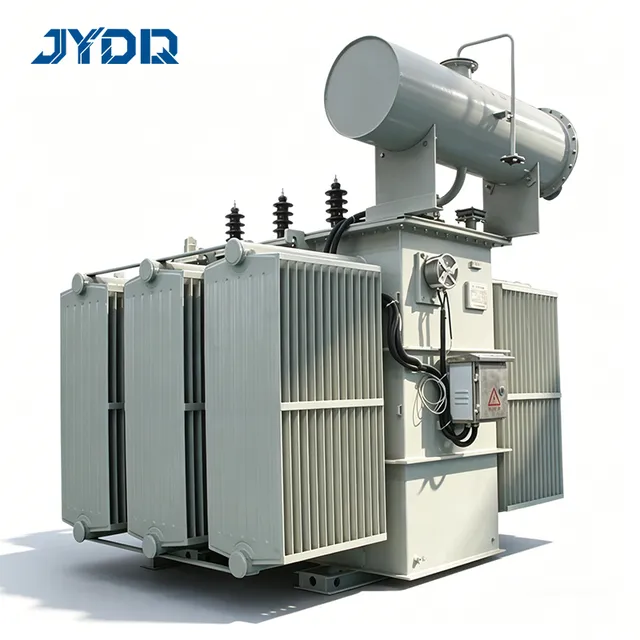
The technical specification must clearly identify the transformer type—whether oil-filled, dry-type, hermetically sealed, or specialized configurations—based on environmental conditions, space constraints, and safety requirements. Specify the cooling method, such as natural oil circulation, forced air cooling, or liquid-filled designs, which impacts installation space, noise levels, and maintenance procedures. Include detailed dimensional drawings showing overall width, height, depth, and weight to verify fit within allocated installation spaces. For a tender process, these specifications ensure bidders understand the exact equipment category and can provide accurate pricing and lead-time estimates without ambiguity.
Materials and Construction Standards
Document the required materials for the core, windings, insulation, and tank construction, specifying compliance with recognized standards such as IEEE C57.12 or IEC 60076 series. Define winding material composition (copper or aluminum), insulation class (such as Class H or Class F), and expected thermal performance under rated conditions. Specify tank construction requirements, including corrosion resistance, internal surface treatment, and sealing methods appropriate for your project design environment. These material specifications ensure the transformer meets longevity expectations, maintenance requirements, and environmental regulatory compliance throughout its operational life.
Operational Characteristics and Safety Features
Thermal and Operational Limits
The technical specification must define the maximum ambient temperature, altitude, and environmental conditions under which the transformer operates at rated capacity without thermal stress. Specify the acceptable temperature rise limits for windings and oil, cooling fan duty cycles, and any special environmental protections required due to coastal, industrial, or humid locations. Include thermal overload protection requirements, cooling system redundancy criteria, and emergency shutdown procedures relevant to the tender and project design phases. These operational parameters directly influence equipment lifespan, maintenance frequency, and overall system reliability in your specific installation context.
Protection and Monitoring Systems
The technical specification must outline all protective devices required for the transformer, including oil temperature sensors, winding temperature indicators, pressure relief valves, and fault detection systems. Specify control and monitoring requirements, such as remote indication of transformer status, alarm thresholds, and communication protocol compatibility with existing facility management systems. Include requirements for dissolved gas analysis (DGA) capabilities if continuous online monitoring is mandated by your project design or operational protocols. Define the specific standards governing protection relay settings, grounding requirements, and safety interlocks that must be verified during testing and commissioning phases before formal acceptance in the tender process.
Documentation and Compliance Requirements
Testing and Certification Standards
A comprehensive technical specification must mandate factory acceptance tests (FAT), including insulation resistance testing, turns ratio verification, load loss measurement, and no-load loss confirmation. Specify the required certification documentation, such as test reports, material certifications, and compliance statements with applicable international standards. Define site acceptance test (SAT) procedures that will be performed after installation to verify proper operation under actual field conditions and environmental factors. These testing and certification requirements protect project integrity and provide objective evidence that delivered equipment meets all specified performance criteria established in the tender and project design phases.
Delivery and Maintenance Documentation
Include requirements for comprehensive operation and maintenance manuals, spare parts lists, winding diagrams, nameplate information, and warranty documentation that must accompany the delivered transformer. Specify training requirements for facility personnel responsible for operation, monitoring, and routine maintenance procedures. Define the warranty period, coverage scope, and performance guarantees that manufacturers must provide as part of the tender commitment. Clear documentation specifications ensure that operations teams possess the knowledge and resources necessary to maintain transformer performance, troubleshoot issues promptly, and maximize equipment lifespan throughout the project design lifecycle.
FAQ
What standards should guide transformer technical specifications in a tender process?
International standards such as IEEE C57.12, IEC 60076, and national regulations specific to your region should form the normative foundation for all transformer technical specifications. The tender documentation should explicitly reference applicable standards and any deviations or additional requirements unique to your project design environment. Consulting with engineering firms experienced in your industry ensures that specifications balance compliance requirements with practical operational needs and cost-effectiveness.
How should thermal performance be specified in a transformer technical specification?
Thermal performance must include maximum ambient temperature ratings, acceptable winding and oil temperature rise limits, cooling system duty cycles, and altitude derating factors if applicable. The technical specification should define how the transformer will be monitored for thermal stress, what alarm thresholds trigger operator response, and what protective actions automatically activate if limits are exceeded. These thermal specifications ensure the transformer operates reliably throughout its design life without accelerated aging or unexpected failures during the project design and operational phases.
What documentation should be required from transformer manufacturers in a tender?
Manufacturers must provide factory test reports, material certifications, compliance statements with referenced standards, operation manuals, spare parts lists, and warranty terms as defined in your technical specification. Design drawings, thermal models, and computational verification of performance claims support bid evaluation and post-delivery acceptance testing in your project design framework. Clear documentation requirements eliminate ambiguity during the tender phase and establish objective acceptance criteria that protect both the buyer and the equipment supplier throughout contract execution and operational phases.

 EN