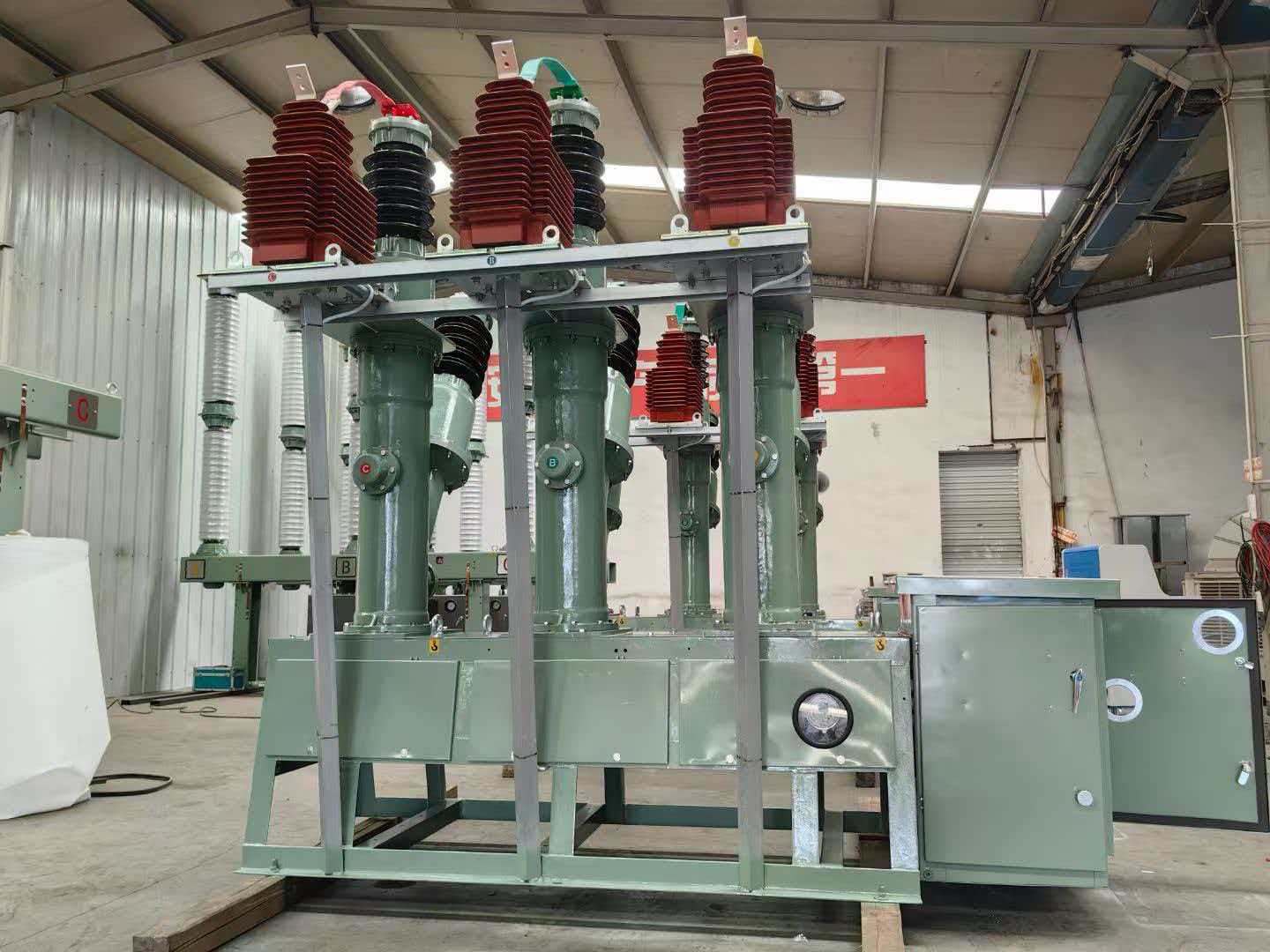
Unplanned outages cost industrial facilities thousands of dollars per hour. One of the most critical assets requiring consistent attention is your electrical distribution system, particularly the switchgear that controls and protects circuit integrity. Many operators treat switchgear maintenance as a reactive process, addressing failures only after they occur. This approach creates unnecessary downtime, safety risks, and escalating repair expenses. By implementing a structured preventive maintenance program, you can dramatically reduce switchgear downtime while extending equipment life and ensuring operational continuity.
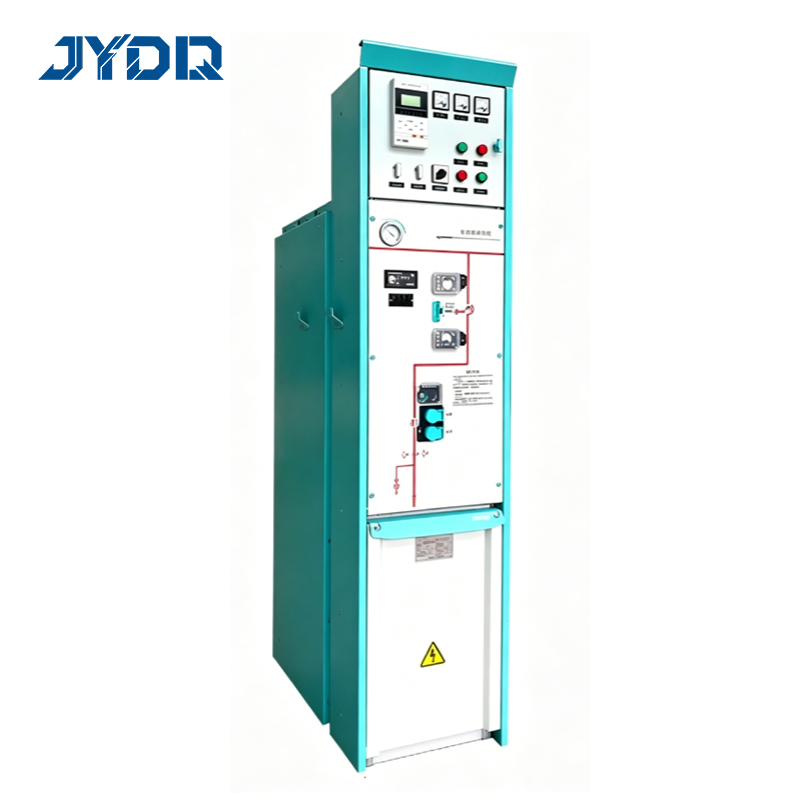
Preventive maintenance represents a fundamental shift in how industrial teams manage electrical assets. Rather than waiting for catastrophic failure, this proactive strategy involves scheduled inspections, cleaning, testing, and component replacement on established intervals. The reliability of your entire electrical system depends on switchgear performance, making it essential to understand how preventive maintenance directly reduces downtime and improves system dependability across your facility.
Understanding Switchgear Failure Modes and Downtime Causes
Common Failure Mechanisms in Switchgear Systems
Switchgear failures rarely occur without warning signs. Contamination, moisture accumulation, loose contacts, and insulation degradation are primary failure modes in electrical switchgear equipment. Arc-resistant switchgear may mask some internal issues due to protective design, but degradation still progresses silently. Preventive maintenance programs address these hidden failure mechanisms before they cascade into full system shutdown. Understanding what causes switchgear failure helps technicians prioritize maintenance tasks that deliver the highest reliability gains.
Impact of Unplanned Downtime on Operations
When switchgear fails unexpectedly, production stops immediately. Manufacturing lines halt, data centers lose power, and hospitals may face critical system interruptions. The financial impact extends beyond lost production: emergency repair crews charge premium rates, replacement parts must be expedited, and regulatory penalties may apply in regulated industries. By reducing downtime through preventive maintenance schedules, your facility maintains operational continuity while avoiding these cascading costs. The reliability of your switchgear directly translates to facility uptime and revenue protection.
Implementing a Preventive Maintenance Strategy for Switchgear
Establishing Inspection and Testing Protocols
Effective preventive maintenance begins with comprehensive inspection schedules tailored to your switchgear type and operating environment. Thermal imaging identifies overheating contacts indicating excessive resistance. Insulation resistance testing detects moisture and contamination within the switchgear housing. Contact resistance measurements reveal wear patterns before failure occurs. These diagnostic techniques form the foundation of downtime reduction strategies, enabling technicians to identify and replace components proactively. Regular testing intervals—typically quarterly for critical switchgear—keep reliability metrics within acceptable ranges.
Cleaning and Environmental Controls
Contamination is a leading cause of switchgear degradation in industrial environments. Dust, salt spray, and chemical residues accumulate on insulators and contacts, compromising electrical performance. Preventive maintenance includes scheduled cleaning of switchgear enclosures, contact surfaces, and internal components using appropriate methods for your equipment type. Additionally, environmental controls such as dehumidification systems and proper ventilation within electrical rooms reduce moisture ingress. These measures directly lower failure probability, extending the interval between downtime events and improving system reliability metrics.
Advanced Maintenance Techniques and Component Lifecycle Management
Lubrication and Mechanical Component Care
Switchgear mechanisms depend on proper lubrication to function smoothly during operation and switching cycles. Over time, lubricants degrade and accumulate contamination, causing mechanical resistance and binding. Preventive maintenance schedules include lubrication assessments and strategic reapplication to operating mechanisms. Proper lubrication reduces mechanical wear on moving components, preventing the sudden mechanical lockups that trigger emergency downtime. This preventive approach extends equipment lifespan while maintaining the reliability and responsiveness essential for safe switchgear operation.
Planned Component Replacement and Condition Monitoring
Certain switchgear components experience predictable wear patterns and benefit from planned replacement before failure. Contact assemblies, moving contacts, and arc-handling components should be replaced on established cycles or when condition monitoring indicates wear thresholds. Preventive replacement during scheduled maintenance windows allows downtime management rather than unplanned emergency outages. Continuous condition monitoring systems provide real-time data on switchgear status, enabling maintenance teams to schedule replacements during low-demand periods. This strategic approach reduces unexpected downtime while maintaining system reliability and safety compliance.
Measuring Results and Optimizing Your Preventive Maintenance Program
Key Performance Indicators for Downtime Reduction
Track specific metrics to evaluate preventive maintenance effectiveness. Mean time between failures (MTBF) indicates reliability improvements resulting from your program. Unplanned downtime hours directly measure the impact on facility operations. Maintenance cost per operating hour reveals the financial efficiency of your strategy. These performance indicators guide program adjustments, helping you allocate resources toward maintenance tasks delivering the highest reliability gains. Regular measurement ensures your preventive maintenance efforts genuinely reduce downtime rather than consuming resources without measurable benefit.
Continuous Improvement and Program Evolution
Preventive maintenance programs must evolve as your switchgear ages and operating conditions change. Data from inspections and tests reveal emerging patterns, allowing you to adjust maintenance intervals for improved downtime prevention. Engaging switchgear manufacturers in your maintenance strategy provides access to technical expertise and updated best practices. Industry standards and evolving equipment technology may introduce new maintenance approaches that further enhance reliability. By treating preventive maintenance as an evolving discipline rather than a static process, you maintain competitive advantage through superior equipment uptime and operational cost control.
FAQ
How often should switchgear undergo preventive maintenance to minimize downtime?
Most industrial switchgear requires preventive maintenance every three to six months, depending on operating environment and equipment type. High-temperature environments, dusty conditions, or continuous-duty applications may warrant quarterly intervals. Regular inspection identifies your facility's specific needs, allowing you to optimize maintenance frequency for maximum reliability without unnecessary resource consumption. Your switchgear manufacturer's recommendations combined with your downtime history should guide interval decisions.
What specific tests should be included in a preventive maintenance program for switchgear?
Essential tests include insulation resistance measurement to detect moisture contamination, contact resistance testing to identify heating issues, and thermal imaging to reveal hotspots indicating component degradation. Visual inspection combined with these diagnostic tools creates a comprehensive assessment of switchgear condition. Preventive maintenance programs should also include mechanical function tests of operating mechanisms and verification of interlocks and safety features. These tests collectively provide the data needed to prevent downtime through early problem detection.
Can preventive maintenance actually reduce my facility's total downtime and operational costs?
Yes, preventive maintenance consistently reduces both planned and unplanned downtime while lowering total maintenance costs. By addressing minor issues during scheduled maintenance windows, you prevent catastrophic failures requiring emergency response and extended shutdown periods. Reduced downtime translates directly to improved production continuity and revenue protection. Most facilities implementing structured preventive maintenance for switchgear report 30 to 50 percent reductions in unplanned outages within the first year, making the investment highly cost-effective.

 EN