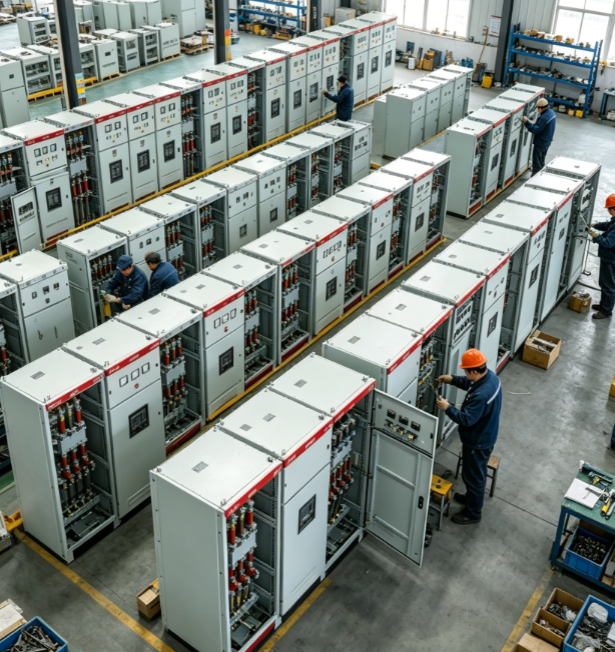
Vacuum circuit breakers are critical components in electrical substations, protecting equipment and personnel from faults and overloads. Understanding how to properly test vacuum circuit breakers during substation maintenance ensures system reliability and extends equipment lifespan. Regular breaker testing identifies potential failures before they cause costly downtime or safety hazards. This comprehensive guide walks you through the essential procedures, equipment requirements, and best practices for testing vacuum circuit breakers in your substation.
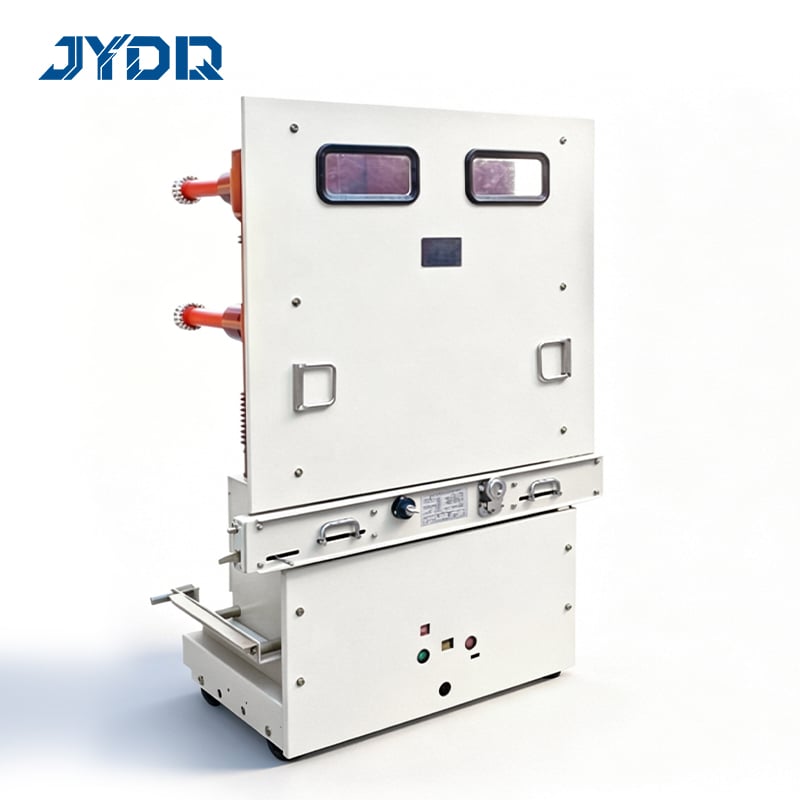
Effective substation maintenance programs depend on systematic VCB testing and condition assessment. Vacuum circuit breakers operate differently than traditional air or oil-insulated breakers, requiring specialized testing knowledge and equipment. Understanding VCB characteristics helps technicians detect wear, contamination, and mechanical degradation early. A well-planned breaker testing strategy reduces emergency maintenance costs and improves overall substation performance and safety compliance.
Pre-Test Planning and Safety Requirements
Establishing Testing Protocols
Before beginning any breaker testing, establish a comprehensive testing protocol aligned with IEEE and IEC standards for vacuum circuit breakers. Document the VCB specifications, including rated voltage, current capacity, and operating history. Create a detailed test plan that outlines each step, expected results, and acceptance criteria. This preparation ensures consistency across all substation maintenance activities and provides a reference baseline for future comparisons. Proper substation maintenance planning prevents testing errors and reduces equipment downtime.
Safety Considerations and Lockout Procedures
Implement rigorous lockout-tagout procedures before beginning any breaker testing on vacuum circuit breakers. De-energize the circuit completely and verify the absence of voltage using calibrated test equipment. Install physical locks, tags, and warning signs to prevent accidental re-energization. Ensure all personnel understand the testing hazards and follow company safety protocols. Breaker testing inherently involves electrical risks, so comprehensive safety planning is non-negotiable for protecting your team and equipment during substation maintenance.
Core VCB Testing Procedures
Contact Resistance and Wipe Measurement
Contact resistance testing is fundamental to vacuum circuit breaker condition assessment. Use a micro-ohm meter to measure the resistance across the main contacts when the breaker is in the closed position. A healthy VCB typically shows contact resistance below 100 microohms, though exact specifications vary by manufacturer. Elevated resistance indicates contact degradation, contamination, or wear that requires attention. Perform this breaker testing measurement at multiple points to identify localized defects. Document wipe distance—the contact travel distance—to ensure adequate electrical contact throughout the breaker's operating range during substation maintenance.
Insulation Resistance Testing
Insulation resistance testing evaluates the integrity of vacuum circuit breakers against ground and between phases. Apply a 5 kV megohm meter to measure insulation resistance between contacts and the breaker frame. Results should typically exceed 100 megohms for dry, clean vacuum chamber conditions. Lower readings suggest moisture ingress, contamination, or internal arc damage that compromises VCB reliability. Perform insulation resistance testing as a critical component of comprehensive breaker testing during your substation maintenance program. Compare current readings to historical baseline data to identify deterioration trends over time.
Vacuum Level Assessment
Vacuum integrity is the cornerstone of vacuum circuit breaker performance and reliability. Use a helium leak detector or vacuum gauge to verify the internal chamber vacuum level remains within acceptable ranges—typically above 0.1 torr. Loss of vacuum allows air molecules to enter the chamber, dramatically reducing the VCB's ability to interrupt current and extinguish arcs. Vacuum degradation occurs gradually through micro-leaks at seals, bellows, or tank penetrations. Regular breaker testing that measures vacuum levels enables early detection of sealed envelope failures. Document all vacuum measurements to track VCB condition trends throughout the equipment lifecycle during substation maintenance activities.
Advanced Electrical and Mechanical Testing
Trip and Closing Coil Functionality
Test the operating coils to ensure proper vacuum circuit breaker function under fault conditions. Measure coil resistance and insulation to verify electrical integrity. Apply rated voltage to the trip and closing coils and confirm that the breaker responds appropriately by opening or closing. Verify mechanism timing using a timing analyzer to confirm the VCB operates within specification. Poor coil performance compromises the breaker's ability to respond to faults, so thorough breaker testing of control circuits is essential. Document all coil test results as part of your systematic substation maintenance documentation.
Mechanical Operating Mechanism Evaluation
Inspect the mechanical linkages, springs, and latching components that control vacuum circuit breaker operation. Apply manual force to open and close the breaker mechanism, feeling for smooth, consistent motion without binding or sticking. Check spring tension and replace worn components as needed to restore VCB reliability. Lubricate moving parts according to manufacturer specifications to maintain proper operation. Mechanism degradation can prevent the breaker from opening during faults, creating safety hazards. Include mechanical inspection as a core element of your breaker testing and substation maintenance program to prevent operational failures.
FAQ
What is the recommended frequency for vacuum circuit breaker testing during substation maintenance?
Industry standards typically recommend comprehensive VCB testing every three to five years during normal operation, with increased frequency in high-stress environments or after fault events. Many utilities establish a condition-based testing schedule tied to age, operating cycles, and fault history. Contact resistance testing and insulation resistance checks can be performed annually as part of routine substation maintenance to track trends. High-voltage breakers in critical substations may benefit from annual full breaker testing to ensure maximum reliability and safety compliance.
How do you interpret vacuum circuit breaker test results and determine if equipment replacement is necessary?
Compare all VCB test results to baseline measurements and manufacturer acceptance limits to evaluate vacuum circuit breaker condition. Contact resistance above 150 microohms, insulation resistance below 100 megohms, or vacuum loss below 0.1 torr typically warrant equipment replacement or major repairs. Trend analysis over multiple testing intervals helps identify accelerating degradation patterns that predict near-term failure. When multiple parameters fall outside acceptable ranges, replacement is usually more cost-effective than extensive repair. Consult with equipment manufacturers and experienced technicians when making breaker testing decisions during substation maintenance planning.
What equipment is essential for performing reliable vacuum circuit breaker testing?
Essential breaker testing equipment includes a calibrated micro-ohm meter for contact resistance, a high-voltage megohm meter for insulation testing, and a helium leak detector or vacuum gauge for VCB chamber assessment. Timing analyzers measure operating speed and trip coil response during substation maintenance activities. Safety gear including insulated gloves, arc flash clothing, and ground detection tools protect technicians during vacuum circuit breakers testing. Digital thermography cameras identify overheating components. Invest in quality calibrated instruments and maintain them regularly to ensure accurate breaker testing and reliable substation maintenance results.

 EN