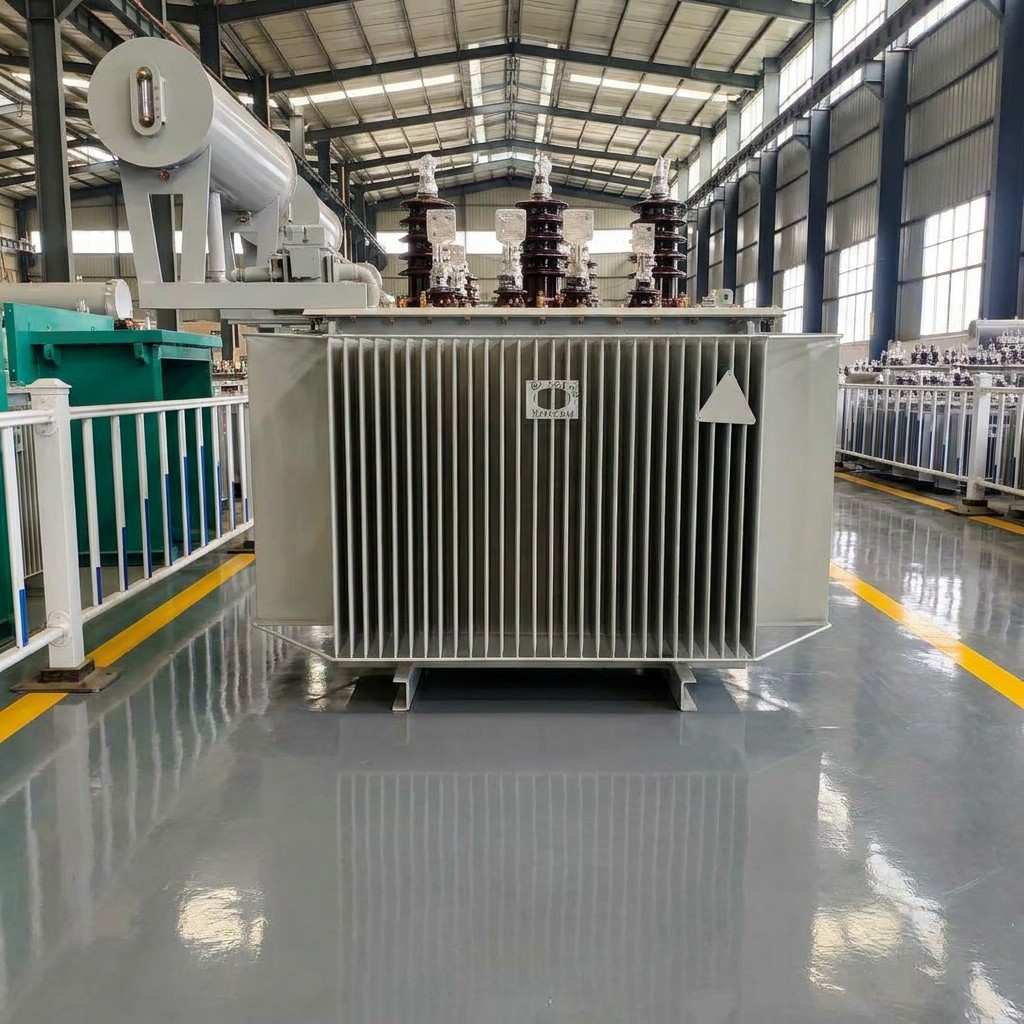
Selecting the right vacuum circuit breaker configuration is a critical decision that directly impacts project reliability, maintenance requirements, and operational costs. Whether your electrical infrastructure demands an indoor VCB or outdoor VCB depends on your facility's environmental conditions, space constraints, and long-term performance expectations. Understanding the distinctions between these two configurations helps you avoid costly missteps and ensures your power distribution system operates efficiently for years to come.
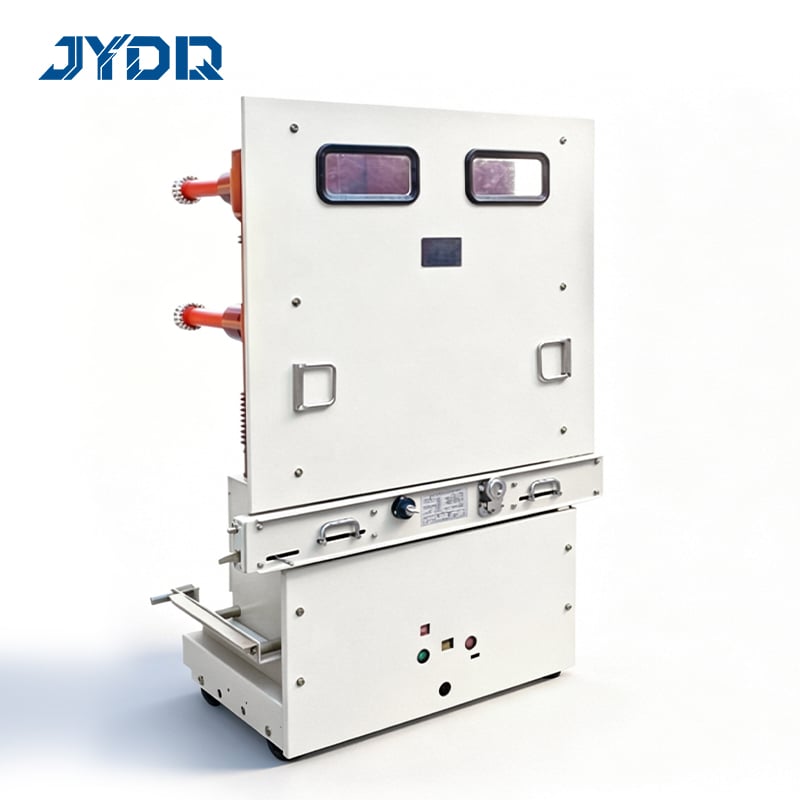
The choice between indoor VCB and outdoor VCB configurations represents more than a simple preference. This decision shapes how your electrical system responds to environmental stresses, how frequently maintenance crews access the equipment, and how effectively the breaker protects your distribution network. Industries ranging from utilities and substations to manufacturing facilities and data centers rely on proper breaker selection to maintain operational continuity and meet regulatory compliance standards.
Environmental Exposure and Design Differences
Indoor VCB Configuration Characteristics
Indoor VCB units are engineered for controlled environments where temperature fluctuations remain moderate and moisture exposure stays minimal. These breakers typically feature compact enclosures designed to fit within switchrooms, electrical rooms, and indoor substations. The indoor vacuum circuit breaker benefits from stable ambient conditions, which allows manufacturers to optimize insulation materials and reduce weatherproofing expenses. Protection from direct sunlight, rain, and extreme temperature swings extends component lifespan and reduces degradation of internal contacts and mechanisms.
The design philosophy behind indoor VCB systems prioritizes accessibility and space efficiency. Switchgear integrators prefer indoor configurations because they simplify cable connections, reduce installation complexity, and allow technicians to perform routine maintenance without special weather protection. However, indoor installations require adequate facility infrastructure including climate-controlled spaces, electrical rooms, and proper ventilation systems to prevent heat accumulation around operating equipment.
Outdoor VCB Configuration Characteristics
Outdoor VCB designs incorporate robust weatherproofing, corrosion-resistant materials, and enhanced mechanical durability to withstand harsh environmental exposure. These outdoor vacuum circuit breaker units endure rain, snow, UV radiation, salt spray in coastal regions, and extreme temperature swings. Manufacturers implement sealed enclosures, epoxy coatings, and stainless steel fasteners to prevent moisture infiltration and oxidation of critical components. The reinforced construction ensures reliable operation across diverse climates and eliminates dependency on indoor facility infrastructure.
Outdoor VCB configurations serve utilities, renewable energy installations, and industrial facilities located in remote areas or regions with challenging environmental conditions. These breakers operate in substations exposed to weather, utility distribution networks, wind farms, and solar installations where indoor facilities are impractical or economically unfeasible.
Application-Specific Breaker Selection Criteria
When Indoor VCB Fits Your Project Needs
Indoor VCB selection becomes the logical choice when your facility provides controlled indoor environments with stable temperature ranges, low humidity levels, and minimal dust exposure. Manufacturing plants with indoor switchrooms, commercial buildings with central electrical infrastructure, and industrial substations within enclosed structures all benefit from indoor vacuum circuit breaker technology. The breaker selection process should prioritize space availability, ease of maintenance access, and compatibility with existing switchgear architectures commonly used in indoor installations.
Data centers, hospitals, and mission-critical facilities typically rely on indoor VCB configurations because climate control systems maintain optimal operating conditions throughout the year. These breakers integrate seamlessly with modular switchgear systems, automated monitoring equipment, and smart grid technologies that managers deploy in controlled indoor environments. Breaker selection criteria for indoor applications emphasize compact dimensions, thermal performance under continuous operation, and compatibility with existing protection schemes rather than weather resistance.
When Outdoor VCB Aligns With Project Requirements
Outdoor VCB becomes essential when your installation lacks weather-protected facilities or when utility infrastructure demands direct exposure to environmental elements. Renewable energy projects including solar farms and wind installations deploy outdoor vacuum circuit breaker units at generation points where protective structures prove impractical. Utility distribution networks, utility substation expansions, and transmission infrastructure serving remote communities require outdoor VCB capability to maintain service reliability across extreme climate variations.
Breaker selection for outdoor applications must account for regional climate patterns, corrosion risk factors, and seasonal environmental stresses. Coastal installations face salt spray exposure requiring higher corrosion resistance standards. High-altitude locations experience extreme temperature swings and reduced air density affecting cooling efficiency. Desert environments subject equipment to intense UV radiation and severe temperature differentials.
Cost Analysis and Long-Term Economic Implications
Capital Investment and Installation Expenses
Indoor VCB systems typically require lower initial equipment costs because manufacturers eliminate expensive weatherproofing features and corrosion protection measures. However, indoor vacuum circuit breaker installations demand pre-existing facility infrastructure including dedicated electrical rooms, climate control systems, and proper ventilation. Projects requiring facility modifications to accommodate indoor breaker installations may face substantial construction expenses that offset equipment savings, making overall project economics less favorable than anticipated.
Outdoor VCB equipment carries higher upfront costs due to robust construction, corrosion-resistant materials, and sealed enclosure design. Despite premium pricing, outdoor vacuum circuit breaker configurations eliminate facility infrastructure requirements, simplify site preparation, and reduce installation labor complexity. Breaker selection analysis for budget-conscious projects should compare total installed costs rather than equipment pricing alone, factoring in facility modifications, electrical room construction, and infrastructure requirements associated with indoor systems.
Maintenance Requirements and Operational Expenses
Indoor VCB maintenance programs benefit from easily accessible equipment, predictable operating conditions, and simplified service procedures requiring minimal protective equipment for technicians. Preventive maintenance intervals often extend longer in climate-controlled environments, reducing annual service costs and minimizing equipment downtime. However, facility dependency means that HVAC failures, flooding, or infrastructure damage can compromise breaker performance and disrupt electrical service to dependent loads.
Outdoor VCB systems demand more rigorous inspection schedules to monitor weathering effects, corrosion progression, and seal integrity. Service technicians require specialized training and protective equipment for outdoor breaker maintenance in adverse weather conditions. Despite higher maintenance intensity, outdoor vacuum circuit breaker designs provide inherent protection against facility-related failures, reducing catastrophic loss potential from infrastructure damage or climate control system failures. Long-term reliability projections often favor outdoor configurations in applications where facility failures pose unacceptable operational risks.
Regulatory Compliance and Standards Alignment
National and international electrical standards including IEC 62271-100 establish performance requirements, operating limits, and certification criteria for vacuum circuit breaker designs. Indoor VCB configurations must comply with standards defining insulation performance, dielectric strength, and arc interruption capability under controlled ambient conditions. Outdoor vacuum circuit breaker units must meet more stringent environmental performance criteria including temperature extremes, humidity exposure tolerance, and corrosion resistance thresholds. Your breaker selection process must verify that specified equipment meets jurisdiction-specific electrical codes and utility interconnection standards.
Utility regulations, transmission system operators, and distribution network owners frequently mandate specific vacuum circuit breaker configurations for particular applications. Some utilities require outdoor VCB compliance at substation locations due to past flooding experience or environmental vulnerability. Other jurisdictions prefer indoor VCB installations in urban substations to minimize visual impact and facilitate community access control. Understanding regulatory requirements before initiating breaker selection activities prevents costly design revisions, equipment rework, and installation delays that threaten project timelines and budget performance.
FAQ
What is the primary operational difference between indoor and outdoor vacuum circuit breakers?
Indoor and outdoor vacuum circuit breaker designs employ identical interruption technology but differ significantly in environmental protection measures. Indoor VCB units rely on controlled facility conditions for protection, featuring standard enclosures and conventional insulation materials optimized for stable temperature and humidity ranges. Outdoor VCB configurations incorporate sealed enclosures, corrosion-resistant coatings, enhanced weatherproofing, and materials engineered to withstand rain, UV exposure, temperature extremes, and coastal salt spray without performance degradation. Both breaker types interrupt current identically through vacuum arc technology but operate safely only within their designated environmental design ranges.
Can an indoor VCB unit be installed outdoors with additional protective covers?
Installing indoor vacuum circuit breaker equipment outdoors with temporary protective covers creates serious operational and safety risks that regulatory authorities and manufacturers explicitly prohibit. Protective shelters do not address internal design differences such as corrosion protection on internal conductors, moisture-resistant insulation materials, or sealed connector designs built into outdoor-rated equipment. Condensation accumulation inside protective structures accelerates corrosion of internal components, contact erosion, and insulation degradation. Using breaker selection practices that match equipment ratings to actual environmental conditions prevents failures, maintains warranty coverage, and ensures compliance with electrical safety standards. Always specify outdoor VCB configurations for outdoor installations regardless of temporary protective infrastructure.
How do project site conditions influence indoor versus outdoor vacuum circuit breaker selection?
Site conditions fundamentally determine whether indoor or outdoor VCB configurations prove appropriate for specific installations. Facilities with existing electrical rooms, climate control systems, and adequate indoor space naturally support indoor vacuum circuit breaker deployment with minimal infrastructure investment. Remote locations, utility distribution networks, renewable energy installations, and sites lacking facility infrastructure demand outdoor VCB selection regardless of operational preferences. Breaker selection analysis should inventory existing site conditions including climate patterns, weather exposure, available facility space, environmental hazards, and access infrastructure. Matching vacuum circuit breaker configurations to actual site conditions ensures reliable operation, minimizes installation complexity, reduces long-term maintenance burden, and prevents costly performance failures.

 EN