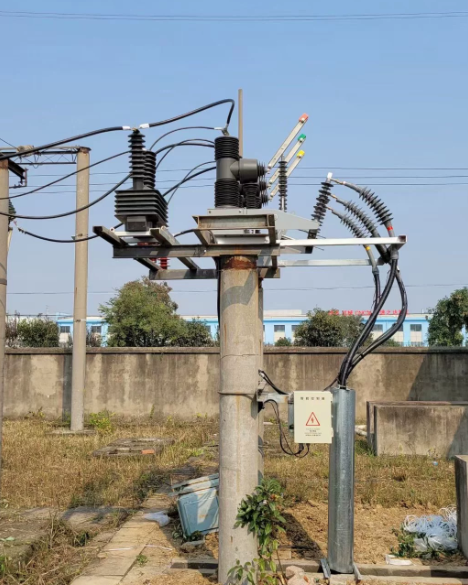
A vacuum circuit breaker stands as a critical component in modern distribution networks, providing both rapid fault clearing and precise load management. These devices form the backbone of electrical infrastructure by interrupting fault currents before they damage equipment or compromise system stability. Understanding their role reveals why utilities and industrial facilities depend on vacuum circuit breaker technology for reliable, safe power distribution across diverse operating conditions.
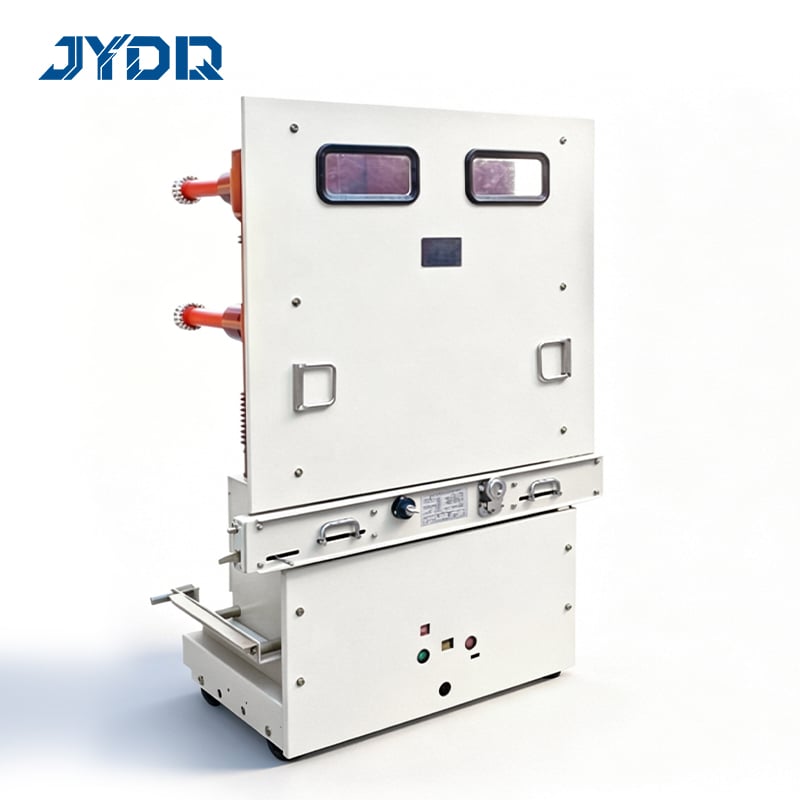
The distribution network forms the final stage of electrical transmission, carrying power from substations directly to end-users. Within this network, faults can occur unexpectedly due to equipment failure, environmental stress, or operational errors. A vacuum circuit breaker responds instantly to these disturbances, isolating affected sections while maintaining service to other areas. This selective interruption capability minimizes downtime and preserves overall system integrity, making the vacuum circuit breaker indispensable for protecting distribution assets and ensuring customer reliability.
Core Functions in Distribution Protection
Fault Detection and Rapid Interruption
The protection function of a vacuum circuit breaker centers on detecting abnormal currents that signal potential hazards. When a short circuit or overload occurs, the device's sensing mechanism immediately identifies the fault condition. The vacuum circuit breaker then interrupts the arc within milliseconds, preventing thermal damage to cables, transformers, and downstream equipment. This rapid response is critical because high-fault currents generate extreme heat; without quick interruption through the protection capabilities of a vacuum circuit breaker, fire hazards and cascading failures become unavoidable.
Load Switching and Operational Control
Beyond emergency protection, a vacuum circuit breaker enables routine switching operations that optimize distribution network performance. Network operators use switching functions to redistribute loads, connect or disconnect sections for maintenance, or balance demand across multiple feeders. The vacuum circuit breaker's switching capability allows operators to perform these maneuvers safely and repeatably. Vacuum interruption technology supports frequent cycling without performance degradation, making a vacuum circuit breaker superior to older mechanical devices that deteriorate with each operation.
Integration Into Modern Distribution Grids
Selective Coordination and System Stability
Distribution networks rely on coordinated protection layers to prevent total blackouts when faults occur. A vacuum circuit breaker fits seamlessly into this coordination strategy by interrupting only the faulty section while leaving healthy circuits energized. This selectivity depends on precise time-current curves and relay settings that work in harmony across multiple vacuum circuit breaker installations. When coordination is properly tuned, a vacuum circuit breaker at a given level operates before upstream devices, ensuring minimal system disruption and maintaining voltage stability throughout the distribution network.
Voltage Performance and Arc Characteristics
The unique arc-extinguishing properties of a vacuum circuit breaker stem from its sealed vacuum chamber environment. When contacts separate, an arc forms briefly but collapses rapidly due to the absence of air molecules that normally sustain it. This superior arc-quenching behavior reduces transient overvoltages that can damage sensitive electronics on the distribution network. Additionally, the clean switching action of a vacuum circuit breaker generates fewer electromagnetic disturbances, improving power quality for consumers and reducing stress on connected equipment.
Reliability and Maintenance Advantages
Extended Service Life and Low Maintenance
A vacuum circuit breaker's sealed design eliminates exposure to moisture, dust, and atmospheric contaminants that degrade conventional circuit breakers. This sealed construction dramatically extends operational life, often exceeding 20 years with minimal maintenance. The absence of moving parts inside the vacuum chamber reduces wear mechanisms common in air-insulated devices. For distribution network operators, this translates to lower lifecycle costs and reduced unplanned outages, making a vacuum circuit breaker an economically sound investment across the service territory.
Compliance and Safety Standards
Modern distribution networks must meet stringent safety and performance standards established by regulatory bodies and industry organizations. A vacuum circuit breaker inherently satisfies these requirements through its inherent protection capabilities and consistent switching performance. The device's design prevents internal arcing hazards that plague oil-filled or SF6-based alternatives. When utilities specify a vacuum circuit breaker for distribution protection, they ensure alignment with current codes while future-proofing against evolving environmental and safety regulations that favor sealed, non-toxic technologies.
FAQ
What voltage ratings are typical for distribution network vacuum circuit breaker installations?
Distribution networks typically operate a vacuum circuit breaker at voltages ranging from 11 kV to 35 kV, with some applications reaching 66 kV or higher. The specific rating depends on the distribution feeder's design and the substation configuration. Manufacturers offer standardized ratings that match common utility system voltages, allowing operators to select a vacuum circuit breaker that fits existing distribution infrastructure without costly modifications. Higher-voltage vacuum circuit breaker models incorporate enhanced insulation and larger vacuum chambers to safely manage increased fault currents.
How does switching capability differ between vacuum and air-insulated circuit breakers?
A vacuum circuit breaker can perform many more switching operations without performance loss compared to air-insulated devices. Air-insulated breakers experience electrode erosion and contact wear that accumulates with each switching cycle. In contrast, the vacuum circuit breaker's enclosed environment and superior arc-quenching minimize mechanical and thermal stress on contacts. This durability advantage means a vacuum circuit breaker remains reliable for frequent distribution network operations, such as load transfers and maintenance disconnections, while air-insulated alternatives would require premature replacement or service intervals.
Can a single vacuum circuit breaker protect an entire distribution feeder?
A single vacuum circuit breaker serves as the main protection device for a distribution feeder, but complete protection also requires downstream protective devices tailored to line segments and customer connections. The main vacuum circuit breaker acts as the first line of defense, interrupting major faults before they propagate upstream. Secondary devices provide granular, selective protection at intermediate and customer levels. This tiered architecture ensures that a vacuum circuit breaker's role as primary protection integrates efficiently with the broader distribution network strategy, preventing unnecessary outages while maintaining comprehensive fault coverage.

 EN