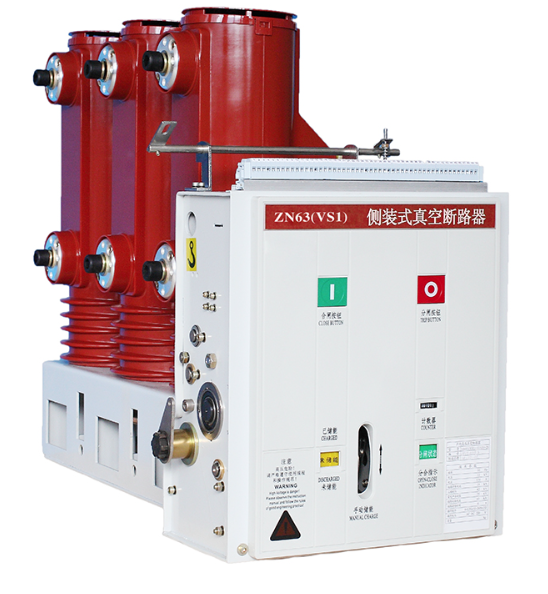
Contact wear is one of the most significant factors affecting the long-term reliability and operational efficiency of any vacuum circuit breaker. As electrical contacts repeatedly open and close, they undergo gradual erosion and degradation that directly influences breaker performance and system safety. Understanding how contact wear develops and its cascading effects on breaker functionality is essential for industrial facilities, utility operators, and maintenance teams responsible for high-voltage distribution networks. Contact deterioration does not happen overnight, but its cumulative impact can reduce fault interruption capacity, increase operational losses, and compromise protection reliability.
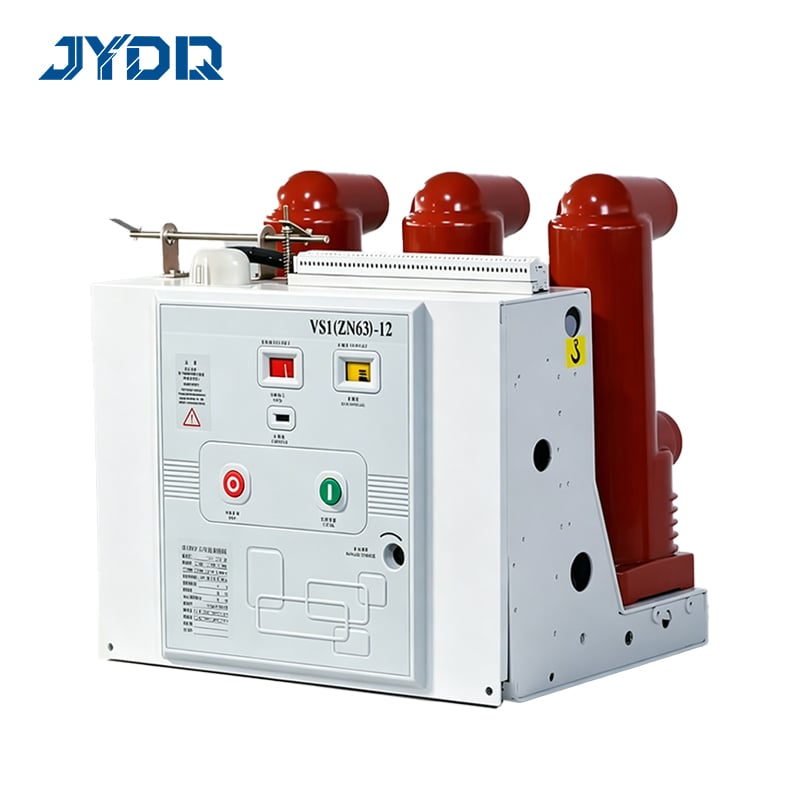
The performance decline caused by contact wear extends far beyond simple visual erosion. When contacts deteriorate, electrical resistance increases at the contact interface, heating rises during normal current flow, and the vacuum integrity around the arc chamber can be compromised. These changes cascade through the entire breaker system, affecting speed of current interruption, recovery voltage withstand capability, and dielectric strength. Industrial operators often overlook early warning signs of contact degradation, leading to unexpected failures, unplanned outages, and potential cascade failures across interconnected networks. Proactive VCB maintenance strategies and regular contact condition assessments are therefore critical to maintaining breaker performance and system reliability.
Contact Wear Mechanisms and Development Process
Mechanical Erosion During Operation
Contact wear in a vacuum circuit breaker occurs through multiple physical mechanisms during each electrical cycle. When the breaker mechanism actuates, contacts make and break under various load conditions, and each switching event produces arc erosion that removes material from the contact surface. The intensity of this erosion depends on the current magnitude, circuit type, load characteristics, and frequency of switching operations. Higher fault currents and more frequent switching cycles accelerate contact degradation significantly. Over thousands of switching cycles, material loss accumulates on both the fixed and moving contacts, creating surface irregularities, micro-pits, and reduced contact area that compromise electrical conductivity and circuit breaker performance.
Material Transfer and Surface Degradation
Beyond simple erosion, contact wear involves material transfer between electrodes. During arc formation, electrode material vaporizes and condenses onto the opposing contact surface in an uneven pattern. This material transfer creates non-uniform contact geometry, increases contact resistance, and reduces the effective contact pressure needed for reliable electrical connection. The vacuum inside the breaker chamber actually prevents oxidation of exposed contact material, but the repeated heating and cooling cycles at the contact interface produce residual stresses and micro-fractures. These structural weaknesses propagate over time, further degrading contact performance and reliability. Copper-chromium contact materials commonly used in modern vacuum circuit breakers show predictable wear patterns, but harsh switching conditions can accelerate material loss beyond design specifications.
Direct Impact of Contact Wear on Breaker Performance
Increased Contact Resistance and Heat Generation
As contact wear progresses, the effective contact surface area diminishes, causing contact resistance to rise substantially. Even a small increase in contact resistance produces disproportionate heat generation during normal current flow due to the I²R relationship. This excess heat accelerates insulation aging, reduces component lifespan, and can trigger nuisance trips if temperature monitoring is enabled. The elevated contact resistance also reduces the voltage available for proper arc extinction during fault clearing, potentially compromising the breaker's ability to interrupt large currents reliably. Heavy industrial facilities operating near thermal limits experience accelerated performance degradation under these conditions. VCB maintenance protocols must therefore include regular contact resistance measurement and trending to detect wear progression before it reaches critical thresholds.
Reduced Dielectric Strength and Arc Interruption Capability
Contact wear produces surface irregularities that create localized electrical field concentrations and premature breakdown points. When contacts erode unevenly, the gap geometry changes unpredictably, reducing dielectric withstand voltage and increasing the likelihood of re-ignition during arc interruption. The vacuum environment normally provides excellent dielectric properties, but contact surface contamination, micro-projections, and reduced contact pressure can trigger vacuum degradation. If even microscopic quantities of vacuum are lost, the breaker's ability to interrupt large currents decreases sharply. Industrial operators cannot afford unplanned failures during fault conditions, making breaker performance preservation through VCB maintenance a business-critical priority. Facilities must establish scheduled contact inspection intervals based on switching frequency and load profiles to ensure reliable fault interruption throughout the breaker's service life.
VCB Maintenance Strategies and Performance Recovery
Condition Monitoring and Predictive Assessment
Modern VCB maintenance approaches emphasize predictive condition monitoring rather than reactive failure response. Non-destructive testing methods including contact resistance measurement, vacuum level verification, and mechanical travel analysis provide early indicators of contact wear progression before breaker performance becomes unreliable. Infrared thermography during normal operation can identify contact degradation by detecting localized hot spots at the electrode interface. Oil analysis and particle counting can reveal contact material erosion before catastrophic failure occurs. These data-driven approaches enable maintenance teams to plan contact refurbishment or breaker replacement during scheduled maintenance windows rather than facing emergency outages. Regular baseline measurements establish wear trends that predict remaining service life with reasonable accuracy, optimizing maintenance budgets and ensuring continuous operational reliability.
Contact Refurbishment and Replacement Protocols
When contact wear reaches predefined limits, refurbishment or replacement becomes necessary to restore breaker performance to design specifications. Advanced refurbishment processes can machine contact surfaces to remove erosion patterns and restore optimal geometry without replacing entire contact assemblies. However, complete contact replacement often proves more cost-effective and provides superior performance recovery. Modern contact materials engineered for extended cycle life reduce wear rates significantly compared to legacy designs. After any contact work, comprehensive testing including high-current switching cycles and dielectric withstand verification confirms that breaker performance meets original manufacturer specifications. Documentation of all maintenance interventions supports predictive modeling and informs procurement decisions for future breaker upgrades. Facilities implementing structured VCB maintenance programs report substantially longer breaker service life and fewer unplanned outages than those relying on reactive maintenance approaches.
FAQ
How does contact wear affect the speed of current interruption?
Contact wear increases contact resistance and creates surface irregularities that distort the electrical field during arc formation. These factors delay arc development and can reduce the breaker's interruption speed, potentially allowing larger peak currents to flow before the arc finally extinguishes. Degraded contacts also reduce contact pressure, weakening the vacuum environment needed for ultra-fast arc extinction. Facilities experiencing slower interruption performance may incur increased thermal stress on downstream equipment.
What VCB maintenance intervals should industrial facilities follow?
Recommended VCB maintenance intervals depend on switching frequency, load characteristics, and environmental conditions. Breakers operating in high-switching-duty applications require more frequent contact condition checks, typically annually or every few hundred thousand cycles. Lower-duty breakers may require inspection every 3 to 5 years. Regular contact resistance trending and vacuum level monitoring provide objective criteria for determining actual maintenance timing rather than relying on calendar-based schedules. Manufacturers provide specific maintenance recommendations in technical documentation that should guide facility planning.
Can contact wear be prevented entirely in a vacuum circuit breaker?
Contact wear cannot be completely eliminated during normal breaker operation because each switching cycle necessarily involves arc erosion and material transfer. However, proper breaker sizing, load current management, and appropriate application of surge limiting reactors can minimize wear rates substantially. Operating the breaker within design specifications, avoiding intentional rapid switching cycles, and maintaining optimal environmental conditions slow contact degradation. Strategic VCB maintenance programs combined with modern contact materials engineered for extended cycle life can extend breaker service life significantly while maintaining reliable breaker performance throughout the equipment's operational period.

 EN