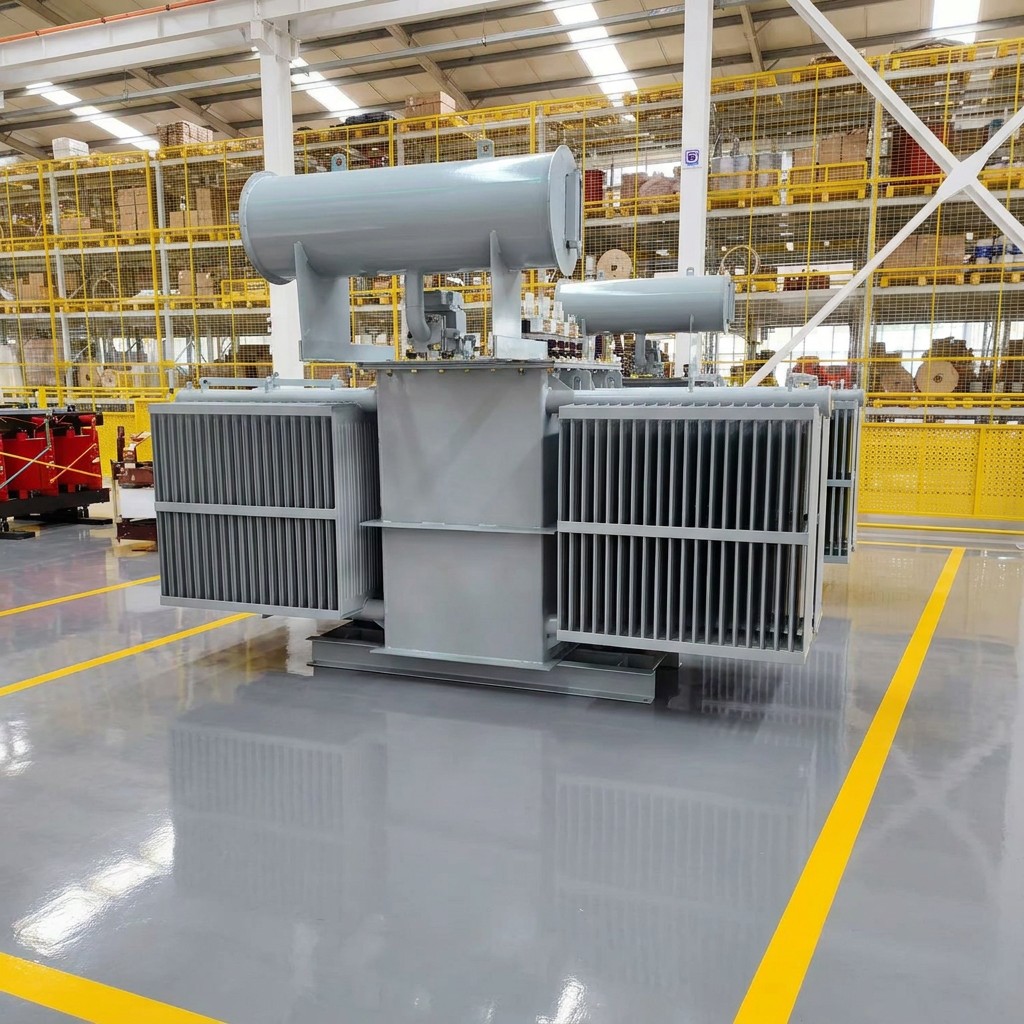
Modern utility distribution networks demand solutions that combine reliability, speed of deployment, and space efficiency. A prefabricated box-type transformer represents a transformative approach to meeting these challenges. Unlike traditional on-site assembled installations, prefabricated box-type transformers arrive factory-tested and ready for immediate integration into utility distribution systems. This engineering advancement reduces project timelines, minimizes field errors, and delivers consistent performance across diverse power network applications.
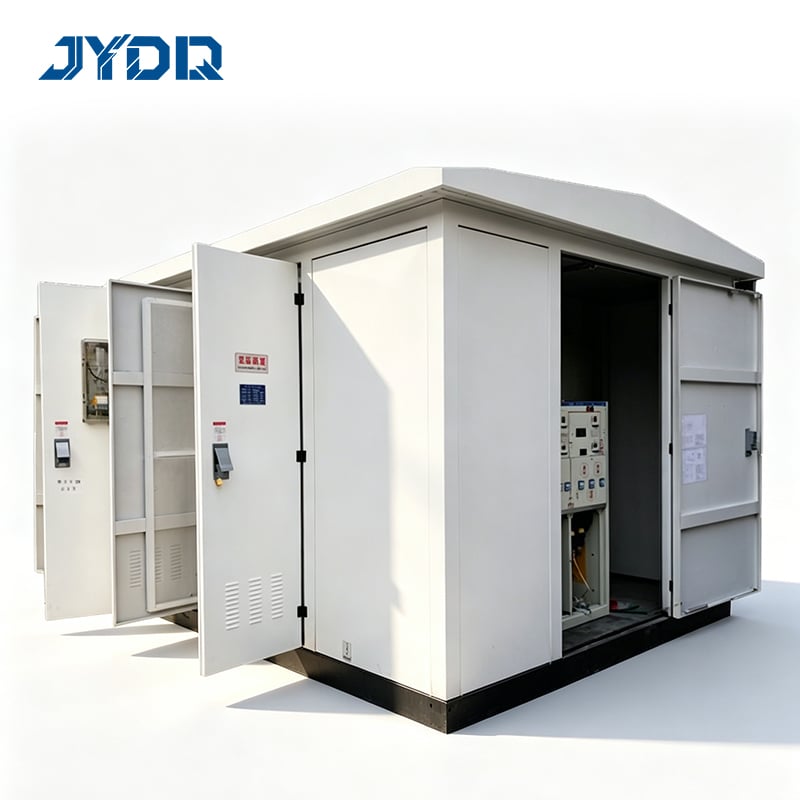
Utility distribution systems face increasing pressure to expand capacity while managing installation costs and operational downtime. Compact substations built with prefabricated components offer utilities a proven pathway to scalable grid modernization. By integrating transformer assemblies, switchgear, and protection equipment into sealed, weather-resistant enclosures, these units function as complete utility distribution nodes. The standardized design of a compact substation ensures compatibility across projects, training efficiency for maintenance crews, and predictable performance metrics that align with power network reliability standards.
Why Prefabricated Box-Type Transformers Matter for Utility Distribution
Traditional transformer installations require extensive on-site assembly, coordination between multiple contractors, and prolonged testing phases. This approach introduces delays, cost overruns, and higher risk of integration errors. A prefabricated box-type transformer eliminates these friction points by arriving as a complete, tested unit. The compact substation approach concentrates manufacturing quality control in a factory environment where variables are controlled and expertise is concentrated, delivering superior reliability compared to field-assembled alternatives.
Accelerated Project Timelines and Cost Efficiency
Utility distribution projects benefit significantly from reduced installation cycles. Factory-assembled components arrive ready for immediate placement, reducing the on-site labor requirements that traditionally extend project duration. A prefabricated box-type transformer can be installed in days rather than weeks, compressing the utility distribution project schedule and allowing utilities to activate capacity faster. This acceleration directly translates to lower labor costs, reduced weather-related delays, and faster revenue generation from expanded power network infrastructure.
Enhanced Reliability and Quality Assurance
Manufacturing a compact substation in a controlled factory setting enables comprehensive factory acceptance testing before shipment. Each unit undergoes rigorous electrical and mechanical validation, ensuring that every component meets specification before arrival at the utility distribution site. This quality-first approach minimizes field failures, reduces troubleshooting time, and extends asset lifespan. Power network operators gain confidence that prefabricated units have been validated under multiple test scenarios, delivering the reliability that modern grids demand.
Design and Integration Characteristics of Compact Substations
A compact substation consolidates multiple functional layers into a single sealed enclosure optimized for outdoor utility distribution deployment. The prefabricated box-type transformer forms the electrical heart of this system, while integrated switchgear, fusing, metering, and protection equipment complete the power network node. This integrated approach simplifies design coordination, streamlines material procurement, and ensures that all components operate cohesively within the utility distribution architecture.
Space Optimization and Environmental Durability
Urban utility distribution networks operate under space constraints that make traditional substation designs impractical. A compact substation delivers full functionality within a dramatically reduced footprint, enabling utilities to locate distribution equipment closer to load centers. Sealed enclosure design protects the prefabricated box-type transformer and internal components from environmental exposure, dust contamination, and weather extremes. This durability allows compact substations to operate reliably in harsh climates, coastal environments, and industrial zones where environmental conditions challenge conventional power network installations.
Modular Scalability for Growing Power Networks
Utility distribution systems evolve as regions grow and load patterns shift. Prefabricated box-type transformer units enable modular expansion because standardized designs allow utilities to deploy additional units alongside existing infrastructure. This scalability means that a compact substation designed today can be complemented with similar units tomorrow without redesign or compatibility challenges. Power network planners appreciate this flexibility because it accommodates growth within established utility distribution corridors without requiring wholesale infrastructure replacement.
Practical Application and Implementation in Utility Distribution
Successful deployment of a prefabricated box-type transformer requires alignment between design specifications and field conditions. Utility distribution engineers must verify that compact substation sizing matches anticipated load growth, confirm that connection points integrate with existing power network architecture, and validate that installation locations provide adequate access for maintenance. Pre-installation coordination ensures that the prefabricated unit functions optimally within the broader utility distribution system.
Installation and Commissioning Process
The arrival of a compact substation marks only the beginning of the deployment phase for utility distribution teams. Site preparation includes foundation installation, utility marking, and connection staging. A prefabricated box-type transformer arrives pre-wired and pre-tested, but field crews must connect it to power network infrastructure, activate protective relays, and commission control systems. This process typically requires days rather than weeks, representing significant time savings compared to traditional on-site assembly and testing of transformer installations within utility distribution projects.
Maintenance and Long-Term Performance Optimization
A compact substation containing a prefabricated box-type transformer supports predictable maintenance schedules because factory-documented specifications and testing reports provide baseline performance data. Utility distribution operators can establish monitoring protocols that detect deviations from expected performance, enabling proactive maintenance before failures occur. The sealed enclosure design reduces contamination concerns that traditionally require frequent transformer maintenance, extending intervals between service events and reducing operating costs for utility distribution systems managing large power networks.
FAQ
What makes a prefabricated box-type transformer different from traditional transformer installations?
A prefabricated box-type transformer arrives factory-assembled, tested, and ready for immediate deployment, whereas traditional installations require extensive on-site assembly and lengthy testing phases. This difference eliminates coordination delays, reduces field errors, and accelerates the deployment timeline for utility distribution projects. The compact substation approach consolidates manufacturing complexity into a controlled factory environment, delivering superior quality and consistency compared to field-assembled power network components.
How does a compact substation optimize space in urban utility distribution systems?
A compact substation integrates transformer, switchgear, protection, and metering functions into a single sealed enclosure that requires significantly less ground space than traditional substations. This space efficiency allows utilities to locate distribution equipment closer to load centers in congested urban environments. The prefabricated box-type transformer design enables utilities to expand power network capacity within constrained utility distribution corridors that would otherwise be impractical for conventional substation installation.
What maintenance advantages does a prefabricated box-type transformer provide for power network operators?
Factory documentation and baseline testing data enable utility distribution operators to establish predictable maintenance schedules and performance benchmarks. The sealed enclosure design reduces contamination and environmental stress on the prefabricated box-type transformer, extending maintenance intervals compared to traditional installations. These advantages lower operating costs for utility distribution systems and allow power network teams to allocate resources more efficiently across broader infrastructure portfolios.

 EN