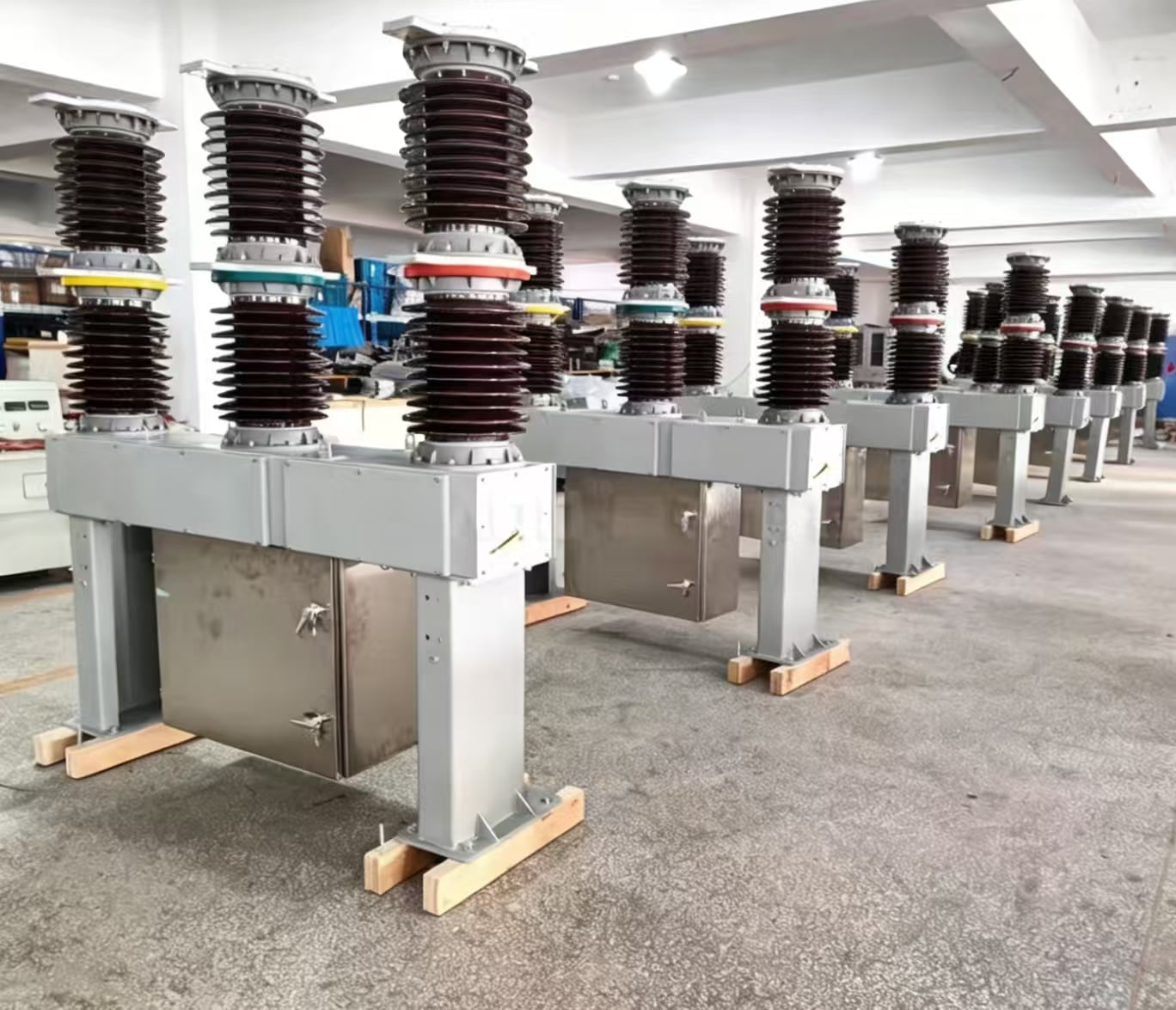
Planning a complete high and low voltage switchgear lineup is one of the most critical decisions in electrical infrastructure development. Whether you are designing a new industrial facility, upgrading an existing power distribution system, or managing a large commercial installation, the switchgear lineup you select directly impacts safety, reliability, operational efficiency, and long-term maintenance costs. A well-planned switchgear system ensures protection against faults, seamless load distribution, and compliance with industry standards and regulations.
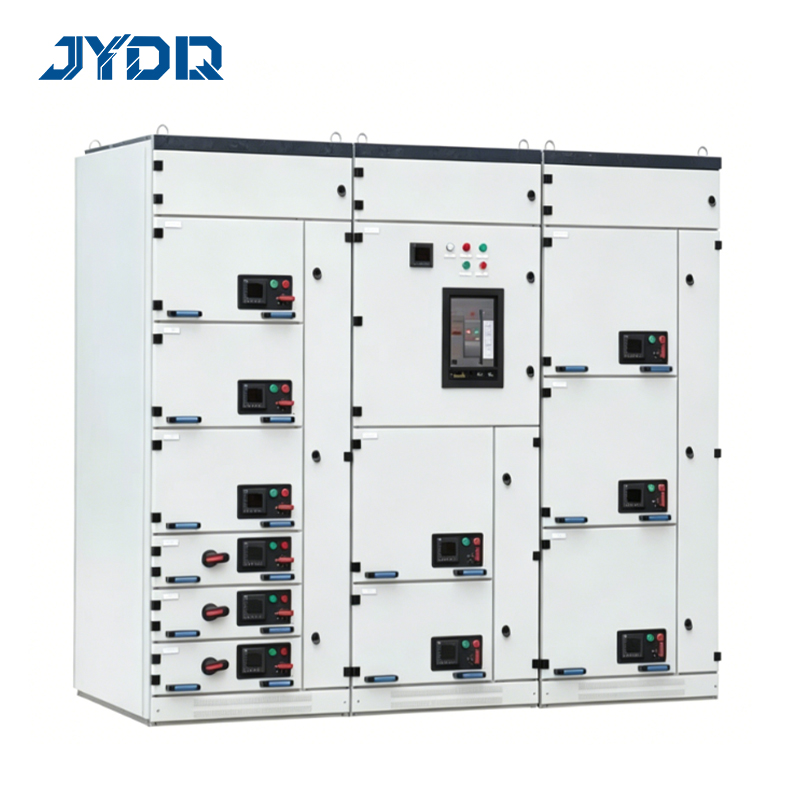
The process of establishing a switchgear lineup requires careful assessment of your facility's electrical demands, voltage requirements, fault levels, and future expansion potential. Your distribution design must account for current operational needs while remaining flexible enough to accommodate future growth. This comprehensive guide walks you through the essential steps of switchgear lineup planning, from initial load assessment through final system integration, ensuring your project planning process delivers a robust and scalable electrical infrastructure.
Understanding Your Facility's Electrical Requirements
Assessing Load Demand and Voltage Levels
The foundation of any switchgear lineup begins with a thorough understanding of your facility's electrical load. You must calculate the total connected load, demand factor, and diversity factor to determine the actual power requirement. High and low voltage switchgear selection depends directly on these calculations. Different sections of your facility may require different voltage levels, and your distribution design must reflect this diversity accurately. Consider both continuous and peak loads, seasonal variations, and potential future equipment additions that could increase electrical demand.
Evaluating Fault Levels and System Protection
Fault level analysis is essential for switchgear lineup design. The short-circuit capacity of your distribution design must match or exceed the maximum prospective fault current at each switching point. This ensures your switchgear can safely interrupt faults without equipment damage or personnel risk. High and low voltage switchgear equipment must be rated appropriately for your system's fault levels. Project planning should include consultation with your utility provider to obtain accurate fault level data and ensure compliance with network protection standards. Understanding these ratings prevents undersizing equipment and potential catastrophic failures.
Strategic Switchgear Lineup Configuration
Designing the High Voltage Section
High and low voltage switchgear systems typically begin with a primary distribution board or substation that receives power from utility sources or on-site generation. Your switchgear lineup at this stage should include main circuit breakers, protection relays, and metering equipment. The distribution design for high voltage sections often uses gas-insulated switchgear, oil-filled equipment, or modern vacuum circuit breakers depending on your facility's footprint and environmental constraints. Project planning must allocate sufficient space for these larger installations, including clearances for maintenance and emergency interventions. This primary switching center forms the backbone of your entire electrical infrastructure.
Designing the Low Voltage Distribution Board
After stepping down voltage through transformers, low voltage power feeds into distribution boards that form the secondary layer of your switchgear lineup. These boards contain circuit breakers, fuses, isolators, and residual current devices organized by load circuits. Your distribution design must group related loads logically to simplify operation and troubleshooting. Proper labeling, clear circuit documentation, and accessible isolation points make maintenance safer and faster. The switchgear lineup at this level should support selective coordination, meaning that protective devices closer to the fault operate before upstream devices, minimizing outage scope and protecting critical loads effectively.
Integration and Future-Ready Project Planning
Implementing Selective Coordination and Backup Protection
Effective high and low voltage switchgear planning includes implementing selective coordination across your system layers. This means each protective device must be rated and calibrated to operate before upstream devices during fault conditions. Your switchgear lineup should use graduated time-current characteristics to achieve this coordination. Project planning must include detailed coordination studies and settings verification before equipment installation. This approach prevents cascading failures that would otherwise black out large sections when a fault occurs in a small branch. Backup protection ensures continuity of service to critical operations while isolating only the faulted section.
Designing for Expansion and Maintenance Access
A properly planned distribution design anticipates future growth and maintains adequate space for safe maintenance. Your switchgear lineup should include spare breaker positions, reserved cable routes, and transformer capacity headroom. High and low voltage switchgear areas must provide safe working clearances per electrical codes and standards. Project planning should document all equipment ratings, circuit assignments, and maintenance procedures clearly. Designing adequate ventilation for cooling, providing proper grounding and bonding infrastructure, and ensuring clear pathways to emergency disconnects all contribute to a maintainable and safe switchgear system that supports operational flexibility.
FAQ
What factors should drive my switchgear lineup selection decisions?
Your switchgear lineup must balance load requirements, fault levels, voltage compatibility, safety standards, budget constraints, and facility layout. The distribution design should prioritize protection reliability and operational safety while remaining cost-effective. Project planning should include input from electrical engineers, equipment suppliers, and facility operations teams to ensure all critical requirements are addressed in your high and low voltage switchgear configuration.
How does distribution design prevent equipment damage during faults?
Proper distribution design uses protective devices rated for your system's fault levels and coordinated to isolate faults quickly. High and low voltage switchgear must include circuit breakers, relays, and fuses rated appropriately for the maximum prospective fault current. Your switchgear lineup coordination settings ensure that devices closest to the fault operate first, limiting fault duration and damage. Project planning should include documented protection coordination studies and regular testing to verify that devices respond as designed.
What planning steps ensure my switchgear system remains scalable?
Scalability in high and low voltage switchgear planning requires reserving spare capacity, documenting all configurations, and designing with modular principles. Your distribution design should include spare breaker positions, adequate transformer capacity, and planned cable routes for future feeders. Project planning should establish clear procedures for adding new circuits and equipment while maintaining protection coordination. Regular documentation updates and capacity reviews help ensure your switchgear lineup grows reliably with your facility's needs.

 EN