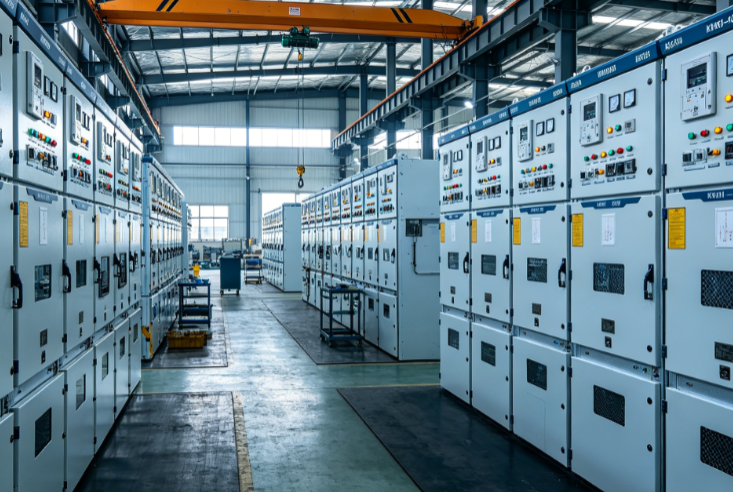
Specifying the correct short-circuit ratings for high voltage switchgear is a critical engineering responsibility that directly impacts electrical system safety, equipment longevity, and operational reliability. When designing or upgrading high voltage electrical systems, engineers must carefully analyze fault current scenarios and match them against the available short-circuit ratings of the switchgear being considered. This alignment between actual fault conditions and switchgear capability prevents catastrophic failures, unplanned downtime, and potential safety hazards on industrial and utility networks.
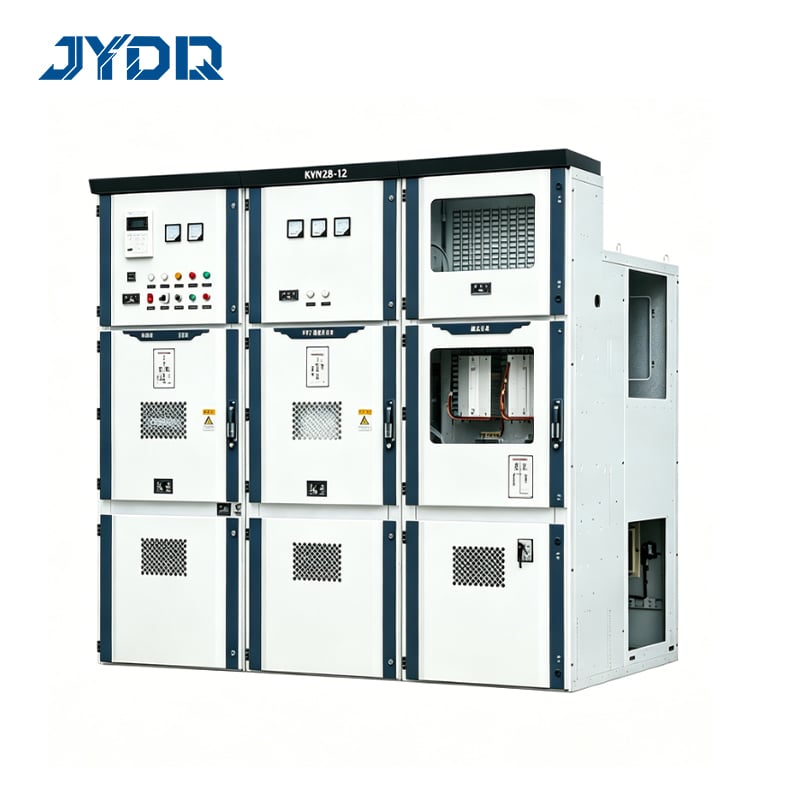
The process of specifying high voltage switchgear short-circuit ratings requires a methodical approach that begins with understanding your power system architecture, calculating maximum prospective fault currents, and then selecting switchgear rated to safely interrupt those currents. Without this careful specification process, equipment may be underrated, leading to thermal damage, arcing faults, or mechanical failures during a short circuit event. Conversely, over-specifying ratings increases capital costs unnecessarily. This guide walks through the essential steps and considerations for making informed switchgear rating decisions.
Understanding Fault Current Analysis and Switchgear Rating Requirements
The foundation of proper switchgear specification lies in calculating the maximum prospective short circuit current that your system may experience under fault conditions. This value depends on several factors including your utility supply capacity, on-site generation, transformer impedance, cable lengths, and distribution network topology. Once you know the worst-case fault current, you can determine the switchgear rating needed to safely handle that level of electrical stress.
Calculating Maximum Prospective Fault Current
Determine the maximum short circuit current by performing a short-circuit study of your electrical system. This study uses utility data, transformer nameplate information, and system impedance calculations to establish the peak fault current at each point in the network. For high voltage switchgear applications, utility companies typically provide a fault level specification, often measured in megavoltamps (MVA) or kiloamps (kA). You must convert this into the actual short circuit current in amperes at your specific voltage level. The relationship is straightforward: short circuit current in kA equals MVA base divided by voltage in kV multiplied by the square root of three for three-phase systems.
Matching Switchgear Rating to Fault Current
Once you calculate the maximum prospective fault current, the switchgear you select must have a short-circuit rating equal to or greater than this value. Switchgear ratings are standardized and typically available in discrete values such as 20 kA, 25 kA, 31.5 kA, 40 kA, 50 kA, and higher, depending on voltage class. Selecting a switchgear rating below the actual fault current creates an unacceptable risk of equipment failure. Selecting a rating significantly above the actual fault current may add unnecessary cost but does ensure safety margin and future system expansion capability.
Key Parameters Influencing Short-Circuit Rating Selection
Several technical and operational parameters influence your final switchgear selection decision beyond the raw short circuit calculation. Understanding these factors helps you make cost-effective choices while maintaining safety and operational flexibility for your electrical infrastructure.
System Voltage and Impedance Considerations
Higher voltage systems at the same MVA capacity result in lower short circuit currents because current is inversely proportional to voltage. A 110 kV system with a 100 MVA supply capacity will have substantially lower fault current than a 10 kV system with the same MVA capacity. Additionally, adding series impedance through reactors, cables, or transformer impedance reduces the maximum prospective fault current. Some industrial facilities intentionally install current-limiting reactors to reduce fault levels and thus allow the use of lower-rated switchgear equipment. For high voltage switchgear serving utility or industrial substations, these impedance calculations become central to determining the final switchgear rating requirement.
Future System Growth and Capacity Planning
When specifying high voltage switchgear short-circuit ratings, consider whether your system is likely to grow or whether future parallel generation sources or utility connections may increase fault levels. Selecting switchgear with ratings that provide comfortable margin above today's calculated short circuit allows for future upgrades without premature equipment replacement. Many utilities and industrial operators choose ratings one step above the current calculated requirement to accommodate system development over the equipment's 20- to 30-year service life. This forward-thinking approach reduces lifecycle costs and maintains operational flexibility.
Practical Implementation and Safety Verification
Proper specification of high voltage switchgear short-circuit ratings must be followed by thorough testing, documentation, and ongoing system monitoring to ensure continued safety and performance. This verification stage is often overlooked but represents a critical safeguard in system commissioning.
Testing and Certification Requirements
Before placing any high voltage switchgear into service, verify that factory acceptance tests (FAT) confirm the equipment's short-circuit rating meets your specification. Switchgear manufacturers conduct short-circuit performance testing during manufacturing, and certified test reports must be reviewed to confirm compliance. Additionally, type tests conducted by independent laboratories provide assurance that the switchgear design can safely interrupt the specified short circuit currents without exceeding permissible temperature rises or mechanical stresses. Installation of protective relays and current-limiting devices must also be verified during commissioning to ensure that the switchgear's short-circuit protection scheme will operate reliably during actual fault conditions.
System Documentation and Maintenance Planning
Maintain accurate documentation of all switchgear short-circuit ratings alongside your system single-line diagrams and fault current calculations. This documentation becomes essential for future maintenance, upgrades, and emergency troubleshooting. When system changes occur, such as adding new generation, connecting additional loads, or modifying network configuration, recalculate the fault current and verify that existing switchgear ratings remain adequate. Periodic maintenance of switchgear contact surfaces and mechanical mechanisms ensures that the equipment can reliably interrupt fault currents throughout its service life. Training operations personnel on the switchgear rating limitations and protection settings ensures that your team understands the safety boundaries of your electrical infrastructure.
FAQ
What happens if switchgear short-circuit rating is too low?
If switchgear rating is insufficient, the equipment will be unable to safely interrupt the fault current. The contacts may weld together, arcing may persist, thermal damage may occur, and mechanical forces from the magnetic effects of high short circuit may deform or destroy internal components. This failure mode can escalate into a cascading outage affecting the broader electrical system.
How often should fault current studies be repeated for existing systems?
Fault current studies should be updated whenever significant system changes occur, such as adding new generation, connecting additional utility feeds, or major load additions. Even without major changes, it is good practice to verify calculations every 5 to 10 years or when utility supply conditions change. This periodic review ensures that your switchgear specifications remain aligned with actual system conditions.
Can current-limiting reactors reduce the required switchgear rating?
Yes, installing series impedance through current-limiting reactors or using cable with higher impedance reduces the maximum prospective short circuit at that point in the system. By limiting fault current, reactors allow selection of lower-rated switchgear equipment, reducing capital cost. However, reactors also reduce system voltage stability during faults, so their use requires careful system study and coordination with protection schemes.

 EN