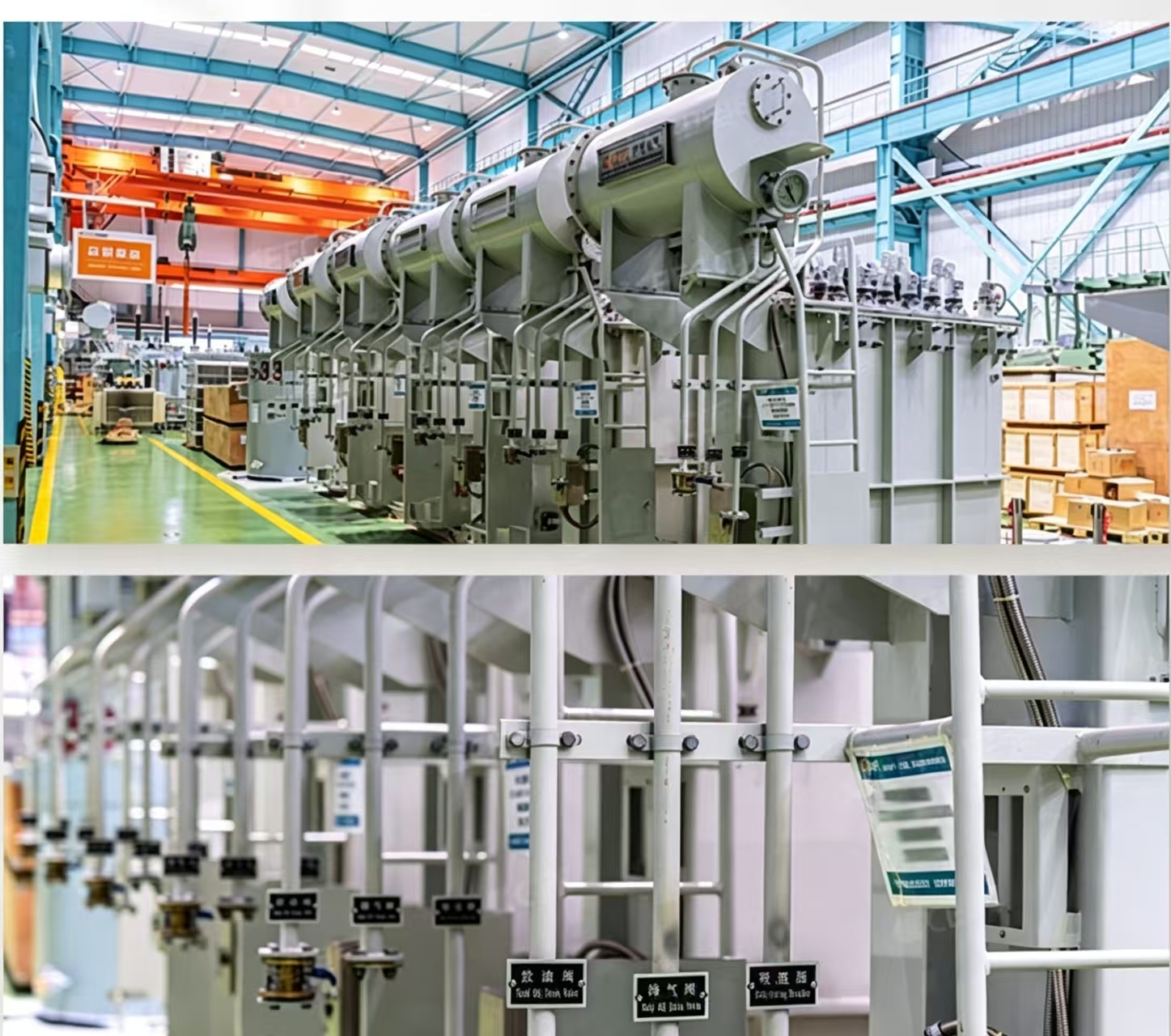
Installing a prefabricated box-type transformer requires careful planning and execution of preliminary civil works before the equipment arrives on site. Many project managers underestimate the importance of proper site preparation, which directly impacts installation timeline, equipment performance, and long-term operational reliability. Understanding the required civil works ensures that your substation installation proceeds smoothly without costly delays or structural complications.
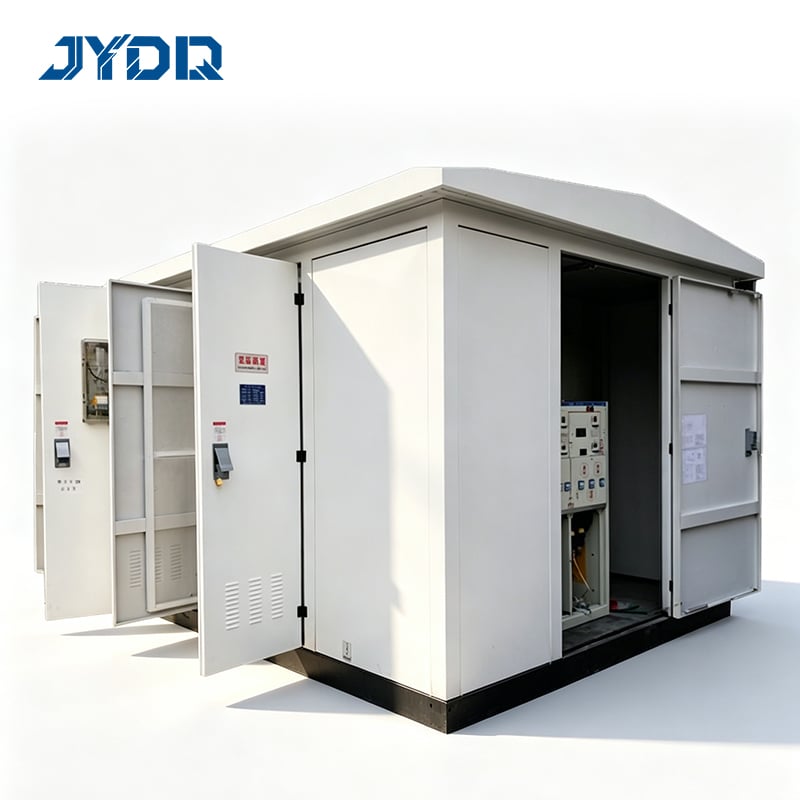
The success of your substation project depends on thorough site preparation and foundation work completed well in advance of equipment delivery. Civil works encompass ground clearing, leveling, drainage design, and structural foundation construction that form the backbone of safe and stable substation operation. This guide walks through each essential civil works requirement you must address before your prefabricated substation can be installed.
Understanding Site Preparation and Foundation Requirements
Soil Assessment and Ground Investigation
Before any civil works begin, a comprehensive soil investigation must be conducted to determine bearing capacity, drainage characteristics, and potential settlement. Geotechnical engineers analyze soil composition, moisture content, and consolidation properties to establish appropriate foundation design parameters. This assessment directly influences the depth, size, and reinforcement specifications of your foundation, ensuring the prefabricated substation sits on stable ground capable of supporting long-term loads without differential settlement.
Site Clearing and Level Adjustment
Civil works start with removal of vegetation, debris, and unsuitable surface material from the designated installation area. The site must be graded to achieve the proper level, typically requiring excavation or fill placement to match design elevations specified in your project plans. Proper site preparation prevents water pooling, erosion, and uneven substrate conditions that could compromise the foundation and ultimately affect prefabricated substation performance. Ground compaction to engineering specifications ensures uniform load distribution across the foundation base.
Foundation Construction and Structural Preparation
Concrete Foundation Design and Construction
The foundation for a prefabricated box-type transformer substation must be engineered to support equipment weight, thermal stresses, and dynamic loads from electrical operation. Foundation preparation typically involves excavation to specified depth, placement of compacted gravel base, and construction of reinforced concrete mat or strip foundations. The concrete must cure completely before equipment installation, and all embedment plates or anchor bolts must be positioned accurately according to mechanical drawings. Civil works teams coordinate with structural engineers to ensure embedment locations match the prefabricated substation mounting interface precisely.
Drainage and Moisture Control
Effective drainage around the foundation prevents water accumulation that could lead to corrosion, electrical failures, or structural damage. Civil works must include subsurface drainage systems such as perforated pipes or French drains positioned below and around the foundation perimeter. Surface drainage through sloped concrete pads or channels directs water away from the prefabricated substation enclosure. Gravel or permeable fill materials around the foundation base enhance water infiltration and prevent standing moisture near the equipment base, protecting transformer bushings and electrical connections from moisture-related degradation.
Access, Utilities, and Final Site Readiness
Access Roads and Equipment Delivery Staging
Civil works include preparation of adequate access roads capable of supporting heavy transport vehicles delivering the prefabricated box-type transformer and associated equipment. The route must accommodate the dimensions and weight of transport vehicles, requiring sufficient width, turning radius, and pavement strength. A designated staging area near the installation site allows equipment to be positioned for efficient placement on the completed foundation. Site preparation contractors coordinate with logistics providers to verify load paths, bridge capacities, and potential ground preparation requirements along delivery routes.
Underground Utilities and Cable Routing
Before foundation construction, civil works must identify and mark all existing underground utilities including water, gas, telecommunications, and electrical lines to avoid accidental damage. Conduit channels or cable trenches required for incoming transmission lines and outgoing distribution circuits must be excavated, sized, and properly backfilled according to electrical code requirements. These utility civil works are coordinated closely with electrical design teams to ensure smooth integration of power connections once the prefabricated substation is installed. Proper cable routing protects conductors from damage and facilitates future maintenance access.
FAQ
What soil conditions are most suitable for prefabricated substation foundation installation?
Ideal soil conditions include well-drained, competent soil with bearing capacity of at least 100 to 150 kPa depending on equipment weight and design specifications. Avoid soft clays, loose sands, or areas with high water tables that could cause differential settlement or instability. A geotechnical engineer determines acceptable soil conditions through boring logs and load tests, adjusting foundation design to suit local ground characteristics. Site preparation may require soil replacement or stabilization if natural conditions fall below engineering requirements.
How long before equipment arrival should civil works be completed?
Foundation concrete must fully cure, typically requiring 28 days under normal conditions, before a prefabricated box-type transformer can be safely installed. Site preparation should be finished well in advance to allow time for inspections, final drainage verification, and any unforeseen remedial work. Project managers should plan civil works completion at least six to eight weeks before scheduled equipment delivery to accommodate inspection schedules and corrective measures if needed. This timeline ensures readiness for equipment staging and eliminates installation delays caused by incomplete site preparation.
Can civil works begin without final electrical design details?
Preliminary site preparation such as soil investigation, grading, and general foundation work can proceed based on equipment dimensions and weight specifications alone. However, detailed cable trench routing, conduit placement, and utility coordination must align with finalized electrical drawings to avoid rework and delays. Early collaboration between civil and electrical design teams prevents conflicts and ensures all civil works accommodate electrical requirements comprehensively. Working with preliminary layouts and phasing non-critical work allows civil works to advance while electrical design is finalized in parallel.

 EN