Ambient temperature represents one of the most critical environmental factors influencing the operational efficiency and longevity of electrical equipment in industrial facilities. When it comes to a dry type transformer, understanding how ambient conditions affect its thermal performance becomes essential for maintaining system reliability and extending equipment lifespan. Temperature fluctuations directly impact the insulation degradation rate, efficiency losses, and overall capacity of the equipment, making this relationship fundamental to proper installation and maintenance planning.
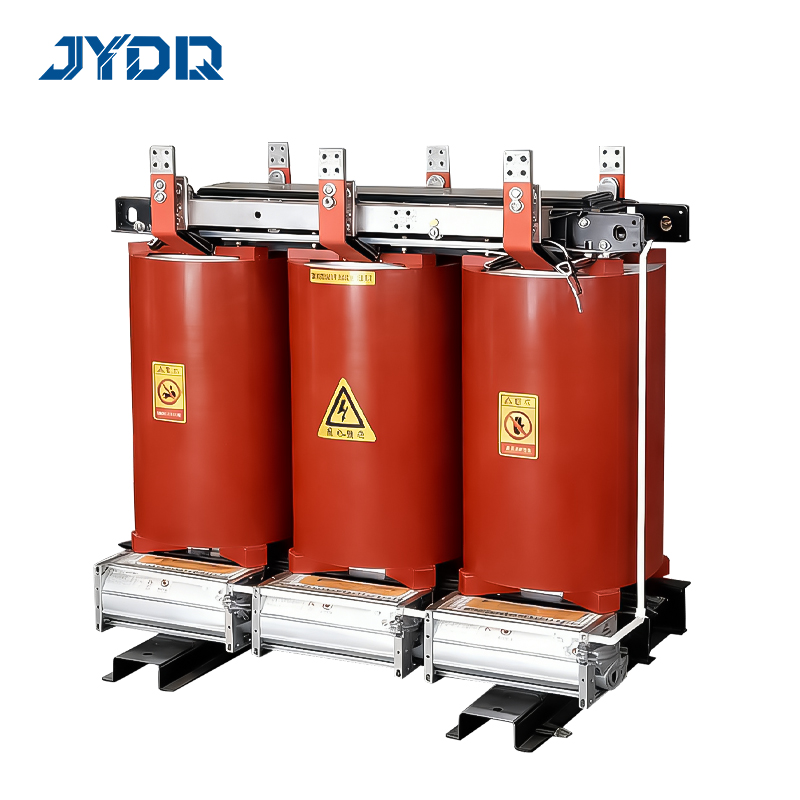
Temperature management in industrial power systems directly determines whether a dry type transformer operates within its rated capacity or requires significant performance adjustments. The thermal performance of these units depends heavily on the surrounding environment, cooling air availability, and how effectively heat dissipates from the core and windings. Engineers and facility managers must account for ambient temperature conditions during equipment selection and throughout the operational lifecycle to prevent premature failures and ensure consistent power delivery.
Understanding Thermal Performance and Ambient Temperature Relationships
How Ambient Conditions Impact Thermal Ratings
The thermal performance of a dry type transformer operates within established temperature rise limits defined by international standards and manufacturer specifications. When ambient temperature increases, the temperature rise of the windings and core also increases proportionally, reducing the margin between the equipment's actual operating temperature and its maximum allowable limit. Standard ambient temperature assumptions in equipment design typically range from 20 degrees Celsius to 30 degrees Celsius, depending on geographic location and industry standards. Any deviation from these baseline conditions requires careful evaluation to ensure the equipment remains within safe operating parameters.
The relationship between ambient conditions and thermal performance becomes especially significant in facilities located in hot climates or regions with seasonal temperature variations. When ambient temperature rises above design assumptions, the cooling capacity of natural air circulation decreases, and the equipment must work harder to dissipate generated losses. This increased thermal stress accumulates over time, accelerating insulation degradation and reducing the expected service life of the unit significantly.
Core and Winding Temperature Calculations
Engineers calculate the actual operating temperature of transformer windings by adding the measured temperature rise to the ambient temperature. For example, if a dry type transformer has a rated temperature rise of 80 Kelvin under standard conditions and operates in an ambient temperature of 40 degrees Celsius instead of the assumed 30 degrees Celsius, the winding temperature increases by 10 degrees Celsius compared to design expectations. This seemingly small temperature increase can reduce insulation life by approximately half for every 5 to 10 degree Celsius rise beyond the design threshold.
Accurate thermal performance monitoring requires understanding the difference between ambient temperature at the equipment location and the cooling air temperature entering the ventilation system. In enclosed spaces or areas with restricted airflow, the local air temperature around the transformer may exceed the facility ambient temperature, creating additional thermal stress that standard calculations might not capture fully.
Derating Requirements Based on Ambient Temperature Conditions
Calculating Derating Factors for Hot Environments
Derating represents the practical approach to maintaining equipment reliability when ambient temperature conditions exceed design assumptions. When a dry type transformer operates in an environment hotter than the nameplate design temperature, manufacturers recommend reducing the equipment's rated capacity to keep winding temperatures within acceptable limits. Derating ensures that even under elevated ambient conditions, the thermal performance remains within the insulation's capability and prevents accelerated aging of critical components.
Standard derating calculations typically reduce capacity by approximately 1 percent for every 1 degree Celsius of ambient temperature rise above the design reference point. For facilities experiencing consistently high ambient temperatures, this can mean significant reductions in available transformer capacity. A dry type transformer rated at 1000 kVA might function safely at only 800 to 900 kVA capacity in a 50 degree Celsius environment compared to the standard 30 degree Celsius assumption, depending on the specific design and thermal performance characteristics of the unit.
Practical Implementation of Derating Strategies
Effective derating requires coordination between electrical designers, facility managers, and equipment manufacturers during the planning phase. Before installing a dry type transformer in a high-temperature location, engineers must evaluate whether standard equipment can meet facility requirements at derated capacity or whether specially designed units with enhanced cooling capability represent a more cost-effective solution. Facilities in hot climates often install oversized transformers to account for derating, accepting the higher capital cost as an insurance policy against performance constraints during peak ambient temperature periods.
Advanced cooling strategies can mitigate some derating effects by improving thermal performance in hot environments. Forced-air cooling systems, ventilation improvements, and strategic equipment placement away from direct sunlight can effectively lower the ambient temperature at the transformer location. For critical applications where derating would unacceptably limit capacity, these enhanced cooling measures become essential investments in system reliability.
Monitoring and Management of Temperature-Related Performance Issues
Temperature Monitoring and Alarm Systems
Modern facilities increasingly rely on continuous temperature monitoring to protect dry type transformer investments and optimize operational efficiency. Embedded temperature sensors and alarm systems alert operators when winding temperatures approach unsafe levels, providing early warning of potential problems related to excessive ambient temperature or cooling system failures. These systems measure both ambient air temperature and actual winding temperature, enabling real-time comparison against design specifications and enabling rapid response to developing issues.
Temperature data collected over extended periods reveals seasonal patterns and helps facility managers anticipate when thermal performance might become constrained. By understanding historical ambient temperature variations, engineers can implement preventive measures during peak temperature seasons, such as temporarily increasing derating or scheduling maintenance when outdoor temperatures remain cooler.
Maintenance Strategies for Temperature-Stressed Equipment
Accelerated thermal stress from elevated ambient temperature increases maintenance frequency requirements for dry type transformer systems. Regular inspection of cooling surfaces, ventilation ducts, and air intake areas prevents obstruction that could further impair thermal performance. Dust and debris accumulation on transformer surfaces acts as an insulating barrier that prevents efficient heat dissipation, effectively worsening the ambient temperature problem by trapping internally generated heat within the equipment.
Thermal performance data should inform maintenance planning and help establish realistic equipment replacement cycles in high-temperature environments. Understanding how ambient conditions have stressed a particular dry type transformer throughout its service history allows facility managers to make informed decisions about remaining useful life and when replacement becomes economically prudent rather than waiting for unexpected failure.
FAQ
Does ambient temperature affect transformer efficiency?
Yes, ambient temperature directly affects both thermal performance and efficiency of dry type transformer systems. Higher ambient temperatures increase the resistive losses in windings and reduce the equipment's ability to dissipate generated heat through the cooling surface. This combination increases overall operational losses and reduces the efficiency of power transfer through the equipment. Additionally, thermal stress accelerates insulation degradation over time, eventually leading to reduced efficiency from internal faults and higher maintenance requirements.
What is the standard ambient temperature assumption for dry type transformers?
Most dry type transformer equipment is designed based on an ambient temperature assumption of 20 degrees Celsius to 30 degrees Celsius, with 30 degrees Celsius being common in standards like IEC 60076. This means the nameplate rating assumes the transformer will operate in an environment where the surrounding air temperature does not exceed this threshold. Facilities operating equipment in hotter or colder environments must account for these variations when calculating actual operating temperatures and expected thermal performance margins.
How can I reduce derating effects from high ambient temperature?
Several strategies can reduce derating requirements when ambient temperature exceeds design assumptions. Installing forced-air cooling systems or improving natural ventilation around the dry type transformer helps remove heat more efficiently from the equipment. Positioning transformers in shaded locations away from direct sunlight and heat sources reduces local ambient temperature. Alternatively, specifying higher-capacity equipment than the minimum required at design conditions provides thermal margin to accommodate elevated ambient temperatures without severe capacity reductions during operation.

 EN