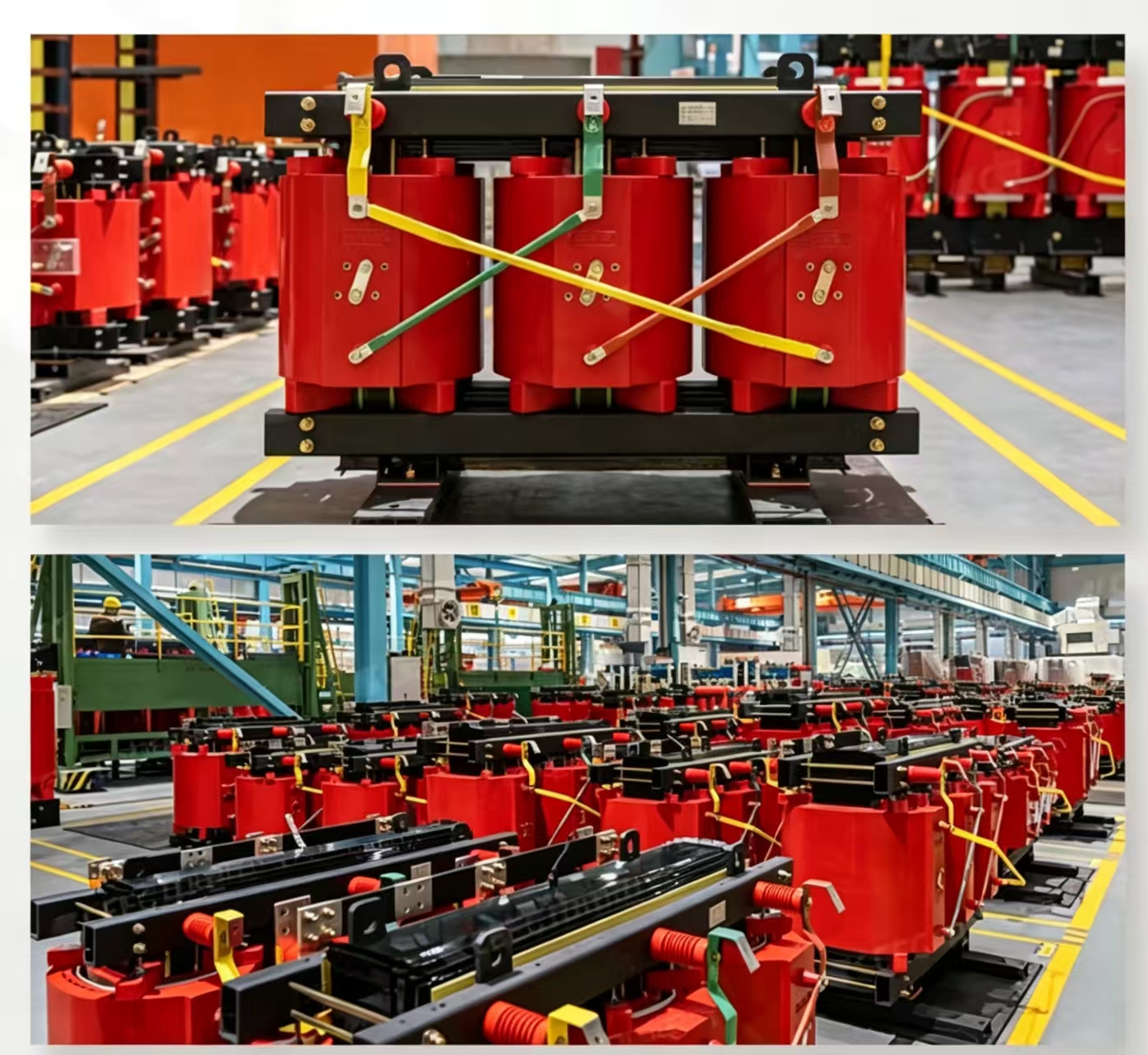
When sourcing equipment from dry type transformer manufacturers, requesting the correct documentation is essential for safe installation, regulatory compliance, and operational reliability. Many buyers focus exclusively on specifications and pricing while overlooking the critical role that engineering drawings play in project success. These drawings serve as the bridge between manufacturer design intent and field installation reality, ensuring that electrical systems integrate properly with existing infrastructure and meet all safety and performance standards.
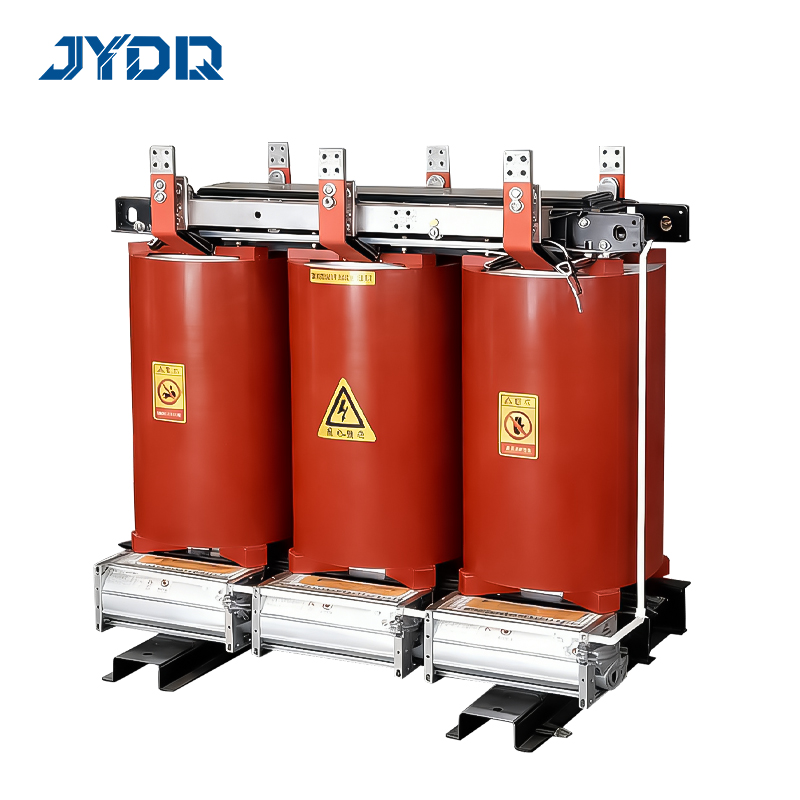
Procurement teams that work with dry type transformer manufacturers should establish a standardized checklist of required drawings before contracts are finalized. This proactive approach prevents project delays, reduces installation complications, and protects organizations from costly rework or non-compliance issues. Understanding which technical drawing types to request—and why each matters—transforms the purchasing process from a transactional exchange into a collaborative engineering partnership that safeguards long-term asset performance.
Technical Drawings and Specifications
Core Manufacturing Drawings
The technical drawing package from dry type transformer manufacturers should include detailed manufacturing drawings that specify dimensions, material composition, winding configurations, and internal component placement. These drawings form the foundation of quality assurance and allow your engineering team to verify that the delivered transformer matches the contracted design. Manufacturers should provide general arrangement drawings showing external dimensions, weight distribution, and lifting points—information that directly impacts transportation logistics and site preparation.
Schematic drawings are equally important, as they illustrate the electrical connections, winding relationships, and terminal configurations that define how the transformer interfaces with your electrical distribution system. Request both primary and secondary winding diagrams, vector diagrams showing phase relationships, and any special winding configurations such as tertiary windings or interleaved designs. These technical drawing elements ensure that your electrical team can accurately plan protection coordination, grounding schemes, and switchgear integration without surprises during installation.
Performance and Test Documentation
Dry type transformer manufacturers must provide test certificates and performance curves that validate transformer behavior under rated and abnormal conditions. These technical drawing and data packages include no-load loss curves, load loss measurements, temperature rise profiles, and impedance values critical for system modeling. Request the complete nameplate specifications in drawing format, showing voltage ratings, power ratings, cooling class, sound level predictions, and efficiency metrics that influence long-term operational costs and grid compatibility.
Layout and Installation Guidance
Site Layout and Space Planning
The layout drawings supplied by dry type transformer manufacturers define precise spatial requirements for installation, ventilation pathways, and clearance zones around the equipment. These layouts must show top-view and side-view perspectives with all critical dimensions, including mounting pad details, cable entry locations, and cooling duct placements. Request detailed layout information that specifies floor load requirements per unit area, as dry type transformers are often heavier than equivalent oil-filled designs and demand adequate structural capacity from the supporting foundation.
Proper layout planning prevents installation conflicts, ensures adequate cooling airflow, and maintains compliance with electrical codes and fire safety regulations. Dry type transformer manufacturers should provide three-dimensional layout models or isometric drawings showing how the transformer fits within the electrical room, how primary and secondary cables route to adjacent equipment, and where disconnect switches and protection devices must be positioned. Request mounting hardware specifications, anchor bolt details, and vibration isolation recommendations if your facility operates sensitive electronic systems nearby.
Connection and Terminal Details
Terminal connection layouts from dry type transformer manufacturers must clearly identify each lead, bushing, or connector point using standardized nomenclature that matches your project specifications. High-voltage and low-voltage termination details should be shown separately with precise measurements and approach angles for cable routing. Request diagrams showing grounding points, neutral connections, and any special bonding requirements particular to your electrical system design or local safety regulations.
Approval and Compliance Documentation
Certification and Regulatory Drawings
Dry type transformer manufacturers operating in regulated markets must supply approval drawings that demonstrate compliance with relevant safety standards, including UL, IEC, NEMA, or regional equivalents. These approval documents validate that design, materials, and manufacturing processes meet minimum safety thresholds and performance reliability benchmarks. Request copies of certification marks, test reports from accredited laboratories, and any special design approvals required by your utility provider, local authority, or industry-specific regulator.
The approval drawings should include detailed cooling system designs showing ventilation fan specifications, temperature sensor placements, and thermal monitoring logic that ensures the transformer operates within safe temperature limits throughout its service life. Dry type transformer manufacturers must provide control circuit diagrams for any integral thermal or protective systems, including wiring diagrams for alarm outputs, shutdown interlocks, and communication interfaces that connect to building management or SCADA systems.
Quality Assurance and Final Verification
Request that dry type transformer manufacturers provide quality assurance drawings documenting the inspection and testing protocols followed during manufacturing. These drawings should include punch-list verification marks showing that all critical components were examined, tested, and approved before shipment. Final assembly drawings confirming that the unit delivered matches the contracted specification are essential for acceptance testing and commissioning activities at the installation site.
FAQ
What specific technical drawing details should I request before placing an order with dry type transformer manufacturers?
Request general arrangement drawings showing external dimensions and weight, schematic drawings illustrating electrical connections and winding configurations, performance curves indicating efficiency and losses, and nameplate specifications confirming voltage ratings and power ratings. Additionally, ask for test certificates validating the transformer's compliance with relevant safety standards. These core technical drawing elements provide the engineering foundation needed for site planning, protection coordination, and system integration activities.
Why are layout drawings from dry type transformer manufacturers so important for installation success?
Layout drawings define spatial requirements, ventilation pathways, and clearance zones that directly impact safe installation and long-term operational reliability. These drawings show floor load requirements, cable entry locations, cooling duct placements, and mounting details—information that prevents costly rework during construction. Proper layout planning ensures adequate airflow for cooling, maintains compliance with electrical codes, and allows your team to coordinate the transformer installation with surrounding equipment and building systems without conflicts or safety risks.
How do approval drawings from dry type transformer manufacturers protect my organization?
Approval drawings validate that the transformer design, materials, and manufacturing processes comply with mandatory safety standards such as UL, IEC, or NEMA requirements. These documents demonstrate that the equipment meets regulatory expectations and has passed independent testing by accredited laboratories. By requesting and reviewing approval drawings before purchase, your organization confirms that the transformer reduces liability exposure, ensures worker safety during installation and operation, and maintains compliance with local electrical codes and utility interconnection standards.

 EN