Selecting the right supplier for vacuum circuit breakers is one of the most critical decisions in managing an export project. The stakes are high when shipping electrical equipment internationally, and procurement mistakes can delay timelines, inflate costs, or compromise system reliability. A structured supplier comparison approach ensures you select a partner capable of meeting technical specifications, regulatory compliance, delivery schedules, and cost expectations. This guide walks you through the essential evaluation criteria and decision-making process for choosing vacuum circuit breaker suppliers for your export initiative.
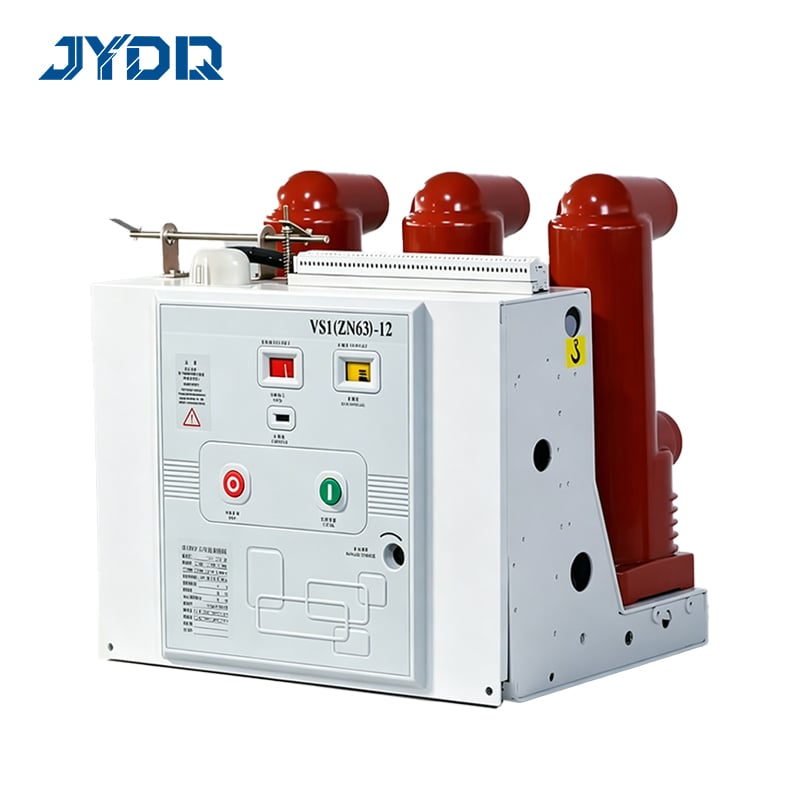
When evaluating suppliers for your export project, understanding the landscape of available options is the first step toward making an informed decision. Different suppliers operate with varying levels of technical expertise, manufacturing capacity, compliance certifications, and international shipping experience. The procurement process for vacuum circuit breakers involves multiple moving parts—from initial quotation through final delivery and installation support—and choosing the wrong partner at any stage can undermine project success. This article provides a comprehensive framework for comparing suppliers systematically and identifying the best fit for your specific export requirements.
Technical Specifications and Product Quality Assessment
Verifying Design and Performance Standards
The foundation of any supplier comparison begins with technical validation. Your vacuum circuit breakers must meet international design standards such as IEC 62271-100 or equivalent regional requirements for your target market. Request detailed technical datasheets from each supplier candidate and cross-reference voltage ratings, current capacities, breaking performance, and operational frequency specifications against your project requirements. Suppliers should provide comprehensive testing documentation and third-party certification reports demonstrating compliance with relevant standards. This verification step eliminates suppliers who cannot meet your minimum technical thresholds before you invest time in detailed procurement evaluation.
Quality Control and Manufacturing Processes
Supplier comparison must include assessment of quality management systems and manufacturing capabilities. Ask potential suppliers for evidence of ISO 9001 certification, quality assurance procedures, and factory inspection reports. Request information about their testing facilities, including high-voltage testing equipment, mechanical endurance testing, and environmental stress testing capabilities. During the export project planning phase, consider requesting a factory visit or third-party inspection to verify manufacturing conditions and quality practices firsthand. Suppliers who invest in robust quality control demonstrate commitment to delivering reliable vacuum circuit breakers that perform consistently across your export markets.
Regulatory Compliance and Export Certifications
International Standards and Market-Specific Requirements
Different export markets impose specific regulatory requirements for electrical equipment, and your supplier must understand and comply with these standards. For an export project targeting Southeast Asia, Middle East, or African markets, vacuum circuit breakers may require additional certifications beyond basic international standards. Evaluate each supplier's knowledge of destination-country regulations, including local voltage standards, frequency requirements, and any mandatory approvals or registrations. Suppliers experienced in export projects typically maintain updated compliance documentation and can navigate regional approval processes efficiently. This regulatory competence reduces delays and prevents costly rework caused by non-compliance discoveries at the destination.
Documentation and Traceability Requirements
Export projects require complete documentation trails for customs clearance, end-user verification, and regulatory compliance. During your supplier comparison, verify that candidates provide certificates of origin, material composition reports, environmental compliance certifications, and detailed bill of materials for vacuum circuit breakers. Suppliers should offer traceability documentation linking each shipment to manufacturing batches, quality test results, and component sources. This documentation level is especially critical for export projects subject to international trade agreements or end-use verification requirements. Suppliers who maintain rigorous documentation practices significantly reduce administrative risks and accelerate customs clearance at destination ports.
Delivery, Logistics, and Project Support Capabilities
Production Lead Times and Export Supply Chain Management
Supplier comparison must account for realistic production schedules and international shipping capabilities. Request detailed lead time quotations from each supplier, broken down by manufacturing phase, quality testing, packaging, and shipping preparation. Ask suppliers about their export project experience and typical delivery timelines to your target destination. Evaluate their relationships with freight forwarders, customs brokers, and shipping partners who specialize in electrical equipment. Suppliers with established logistics networks can arrange consolidated shipments, handle documentation efficiently, and provide tracking transparency throughout the journey. For time-sensitive export projects, this logistical capability directly impacts project success and overall cost.
Technical Support and After-Sale Services
Beyond initial procurement, your export project may require ongoing technical support for installation, commissioning, and troubleshooting. During supplier comparison, discuss available technical documentation in languages relevant to your destination market and whether suppliers offer on-site commissioning support or remote technical assistance. Ask about spare parts availability, warranty terms, and procedures for handling equipment issues after delivery. Suppliers offering comprehensive after-sale support reduce operational risks and provide valuable partnership throughout your project lifecycle. This service dimension is often overlooked in supplier comparison but significantly impacts long-term project costs and stakeholder satisfaction.
Cost Analysis and Commercial Terms Evaluation
Total Cost of Ownership Beyond Unit Price
Effective supplier comparison extends beyond comparing quoted unit prices for vacuum circuit breakers. Calculate total cost of ownership by factoring in shipping costs, customs duties, insurance premiums, documentation fees, and any required third-party inspection expenses. Some suppliers may offer lower per-unit pricing but charge significantly more for international shipping or technical documentation. Request itemized quotations breaking down component costs, manufacturing overhead, profit margin, and all export-related charges. For export projects with multiple shipments or phased deployments, negotiate volume discounts and establish pricing stability terms over the contract period. This comprehensive cost analysis reveals true supplier value and prevents budget overruns caused by hidden export project expenses.
Payment Terms and Financial Stability Assessment
Supplier comparison should evaluate commercial terms and financial reliability, particularly for export projects spanning several months. Understand each supplier's payment requirements—whether they demand deposits, progress payments, or letter of credit arrangements—and negotiate terms aligned with your procurement budget and project cash flow. Research supplier financial stability through credit reports and trade references before committing to major orders. For export projects, working with financially stable suppliers reduces risks of production delays, quality corner-cutting, or contract defaults. References from previous export project customers provide valuable insights into supplier reliability and commercial conduct.
FAQ
What key documents should I request from vacuum circuit breaker suppliers during the procurement process?
Request technical datasheets, test certificates, ISO certifications, material composition reports, certificates of origin, detailed quotations with itemized charges, and references from previous export project customers. For an export project, also ask for compliance documentation specific to your destination market and documentation of any regulatory approvals or registrations already obtained.
How can I verify that a supplier's vacuum circuit breakers meet international standards for my export project?
Review third-party certification reports from recognized testing laboratories, request factory inspection results, and verify compliance with standards such as IEC 62271-100. For critical export projects, consider arranging an independent third-party inspection of the manufacturing facility or sample testing before full production begins.
What questions should I ask about delivery capabilities when comparing suppliers for my export project?
Ask about production lead times broken by manufacturing phase, realistic delivery dates to your specific destination, experience with your target market, relationships with international freight forwarders, customs clearance procedures, tracking capabilities, and insurance options. Also inquire about supply chain flexibility if project timelines change unexpectedly.

 EN












