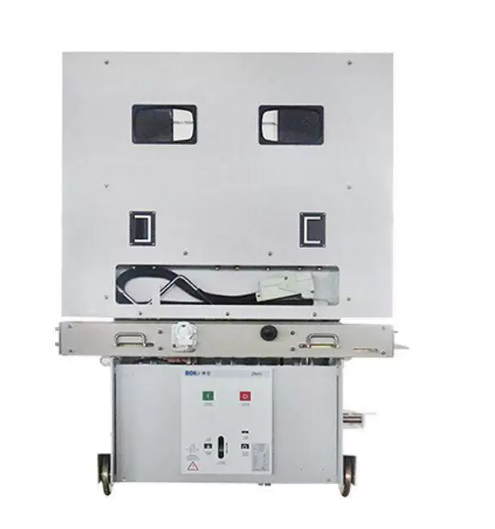
Selecting the right oil immersed transformer for outdoor installation requires careful evaluation of technical specifications, environmental conditions, and operational demands. An outdoor transformer faces unique challenges including temperature fluctuations, moisture exposure, dust accumulation, and UV radiation, all of which directly impact performance and service life. The decision-making process demands a systematic approach that balances capacity requirements, cooling efficiency, safety standards, and long-term reliability to ensure your substation operates at peak performance.
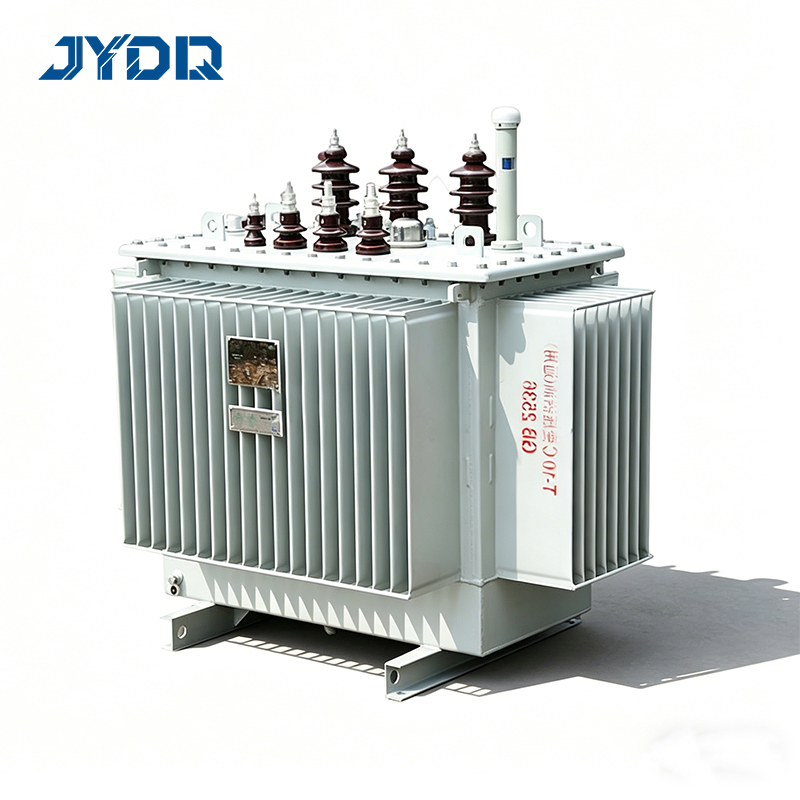
The selection process for an outdoor transformer extends beyond simple power rating matching. Each outdoor installation presents distinct environmental profiles, regulatory requirements, and budgetary constraints that shape which oil immersed transformer design delivers optimal value. Understanding these decision factors enables facility managers, engineers, and procurement teams to avoid costly overspecification or undersizing while ensuring the substation infrastructure supports current and future operational demands reliably and safely.
Understanding Core Technical Requirements
Capacity and Load Analysis
Determining the correct power rating stands as the foundation for any outdoor transformer selection. Calculate your peak load demand and project future growth over the transformer's expected service life, typically twenty to thirty years. An oil immersed transformer sized appropriately handles growth without forcing costly upgrades while avoiding excessive overcapacity that increases initial investment and reduces efficiency. Review historical load data, anticipated business expansion, and regional development trends to forecast realistic demand patterns for your substation.
Voltage Class and System Integration
Your existing electrical grid defines the voltage class requirements for the outdoor transformer installation. Verify both primary and secondary voltage ratings against your distribution system specifications to ensure seamless integration. An oil immersed transformer must match utility standards, transformer bank voltage drops, and load-side equipment ratings precisely. Mismatched voltage classes create inefficiencies, equipment damage, and operational failures that compromise entire substation performance, making this verification step non-negotiable in the selection process.
Environmental Suitability and Installation Conditions
Temperature and Climate Factors
Outdoor transformer installations experience extreme temperature swings that stress cooling systems and insulation integrity. Evaluate your region's maximum and minimum ambient temperatures, seasonal variations, and typical operating conditions when selecting an oil immersed transformer with appropriate cooling capacity. Transformers designed for hot climates incorporate enhanced cooling fins, upgraded ventilation systems, and premium insulating oil formulations rated for higher thermal stress. Conversely, cold-climate installations require different cooling approaches and oil specifications suited to low-temperature operation. The outdoor transformer cooling type must match your installation environment to maintain designed efficiency and prevent thermal runaway conditions that damage equipment.
Moisture, Dust, and Corrosion Protection
Outdoor environments expose an oil immersed transformer to moisture ingress, airborne contamination, and corrosive atmospheric conditions. Select transformer models incorporating robust sealing systems, breathable desiccant breathers, and corrosion-resistant paint coatings specifically engineered for outdoor exposure. Geographic location influences corrosion severity significantly; coastal regions with salt spray, industrial areas with acidic emissions, and high-humidity zones demand enhanced protection specifications. Your substation installation in challenging environments justifies premium protective features that prevent premature failure and maintain long-term reliability despite harsh conditions.
Installation and Operational Considerations
Foundation, Spacing, and Accessibility
The physical installation requirements for an outdoor transformer extend beyond simply placing equipment in designated space. Proper foundation design prevents settling and structural stress that damage equipment and create safety hazards. Spacing considerations accommodate cooling air circulation, maintenance access, and safety clearances required by electrical codes and transformer manufacturers. Your substation layout must facilitate safe inspection, repair operations, and eventual decommissioning without compromising surrounding equipment or personnel safety. Plan installation logistics carefully, considering equipment access routes, lifting requirements, and spatial constraints that affect transformer placement and future operational efficiency.
Safety Systems and Regulatory Compliance
Modern outdoor transformer installations incorporate multiple safety systems protecting both equipment and surrounding areas. An oil immersed transformer requires containment structures preventing oil spills from contaminating soil and groundwater, which creates environmental liability and regulatory violations. Install secondary containment, proper grounding systems, lightning protection, and fault detection equipment aligned with local electrical codes and environmental regulations. Regulatory compliance during selection ensures your substation meets current standards and anticipates future regulatory evolution, avoiding costly retrofits or equipment replacement driven by changing requirements rather than operational necessity.
FAQ
What cooling type works best for outdoor transformer installations?
Outdoor transformer installations typically employ forced-air oil cooling or natural air cooling depending on ambient temperature ranges and load profiles. An oil immersed transformer in hot climates benefits from forced-air systems that maintain optimal operating temperatures, while naturally cooled designs suit moderate climates with consistent weather patterns. Evaluate your specific climate data and load duty cycle when selecting cooling approaches, as oversized cooling systems waste energy while undersized systems cause thermal stress and reduced equipment life.
How do environmental conditions affect outdoor transformer performance?
Environmental factors directly impact both short-term efficiency and long-term reliability of any outdoor transformer. Moisture accelerates insulation degradation, dust accumulation reduces cooling effectiveness, and corrosive atmospheres attack paint and metal components of an oil immersed transformer. Temperature extremes stress cooling systems and alter insulating oil properties, requiring careful selection of equipment rated for your specific climate zone and environmental profile to ensure the substation operates reliably throughout seasonal variations.
What installation requirements must I consider for an outdoor substation?
Outdoor transformer installation demands comprehensive site preparation including proper foundation design, oil containment systems, safety clearances, and equipment accessibility for maintenance and repair. Your substation must comply with electrical codes, environmental regulations, and manufacturer specifications for the outdoor transformer equipment selected. Coordinate with local utilities, environmental agencies, and safety authorities during planning to identify all requirements affecting installation design, timeline, and overall project costs before equipment procurement and construction begins.

 EN