The internal layout of a prefabricated box-type transformer fundamentally determines its operational efficiency, reliability, and long-term performance in electrical distribution systems. Engineers and facility managers often overlook this critical design element, yet the spatial arrangement of core components directly impacts maintenance accessibility, thermal management, and overall system durability. Understanding why internal layout matters helps organizations make informed decisions when selecting transformer equipment for industrial and commercial applications.
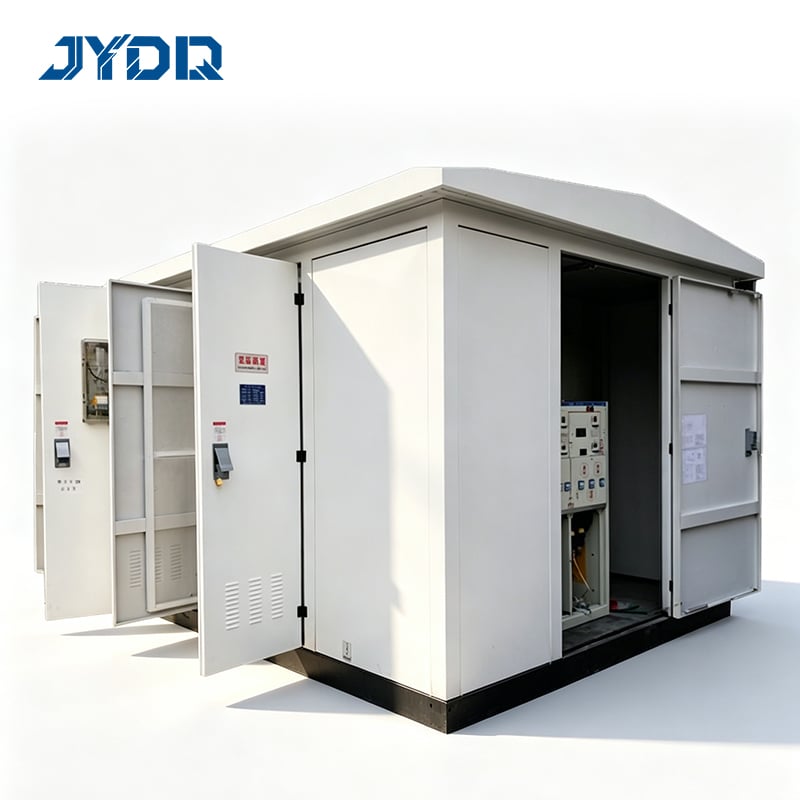
A well-designed prefabricated box-type transformer incorporates strategic component positioning that balances operational demands with practical constraints. The internal layout directly affects cooling efficiency, insulation durability, and technician safety during routine maintenance and emergency repairs. This article explores the critical reasons why internal layout design matters and how it influences transformer performance across diverse operational environments.
Component Positioning and Operational Efficiency
Core and Coil Arrangement Impact
The physical positioning of the core and coil assembly within the transformer enclosure significantly influences electrical efficiency and heat dissipation patterns. A thoughtfully engineered internal layout ensures optimal magnetic flux pathways while minimizing eddy current losses that generate unnecessary heat. Compact design principles guide engineers to arrange windings symmetrically around the core, reducing stray magnetic fields and improving overall system performance under rated load conditions.
Proper internal layout also determines how effectively oil or insulating fluid circulates around active components. Natural convection cooling relies on unobstructed flow channels, and strategic positioning of baffles and ducts within the enclosure promotes thermal equilibrium. When components are crowded or poorly arranged, hot spots develop that accelerate insulation degradation and reduce transformer lifespan significantly.
Fluid Flow and Heat Management
The internal layout of cooling pathways directly controls how efficiently a prefabricated box-type transformer manages thermal loads. Advanced designs incorporate dedicated circulation routes that guide cooled fluid toward high-temperature zones while returning heated fluid to cooling radiators or fans. Inefficient layouts create stagnant pockets where temperature stratification occurs, compromising insulation integrity and reducing operational reliability.
Temperature distribution uniformity across windings depends critically on intelligent internal layout planning. Engineers position cooling ducts and circulation channels to ensure every section of the coil receives adequate fluid coverage. Transformers with superior internal layout designs maintain cooler operating temperatures throughout their rated capacity range, extending service life and reducing maintenance frequency substantially.
Maintenance Access and Service Capability
Strategic Access Points for Technicians
Practical maintenance access represents one of the most overlooked benefits of thoughtful internal layout design in compact design configurations. Technicians require sufficient clearance to inspect connections, replace worn components, and troubleshoot electrical faults safely. A prefabricated box-type transformer with poor internal layout forces workers into confined spaces, increasing safety risks and extending repair duration unnecessarily.
Superior internal layout positions critical diagnostic points at accessible locations where technicians can take measurements, perform insulation resistance testing, and verify operational parameters without complete disassembly. This accessibility reduces downtime significantly during scheduled maintenance windows. Compact design principles that prioritize maintenance access create long-term operational advantages by enabling faster interventions when problems emerge.
Component Replacement and Troubleshooting
The internal layout directly influences whether technicians can replace or repair individual components within the field. A well-designed prefabricated box-type transformer incorporates modular positioning that allows isolation and removal of faulty elements without compromising structural integrity. Poor internal layout forces complete transformer replacement when repairs should be economically feasible, dramatically increasing total cost of ownership.
Troubleshooting capability depends on logical internal layout that groups related components together logically. Technicians can systematically diagnose electrical faults when wiring, connections, and control devices follow clear spatial organization patterns. Transformers with confusing internal layouts waste hours on diagnostic work and increase the likelihood of technician error during corrective actions.
Compact Design and Space Efficiency Benefits
Physical Footprint Optimization
Compact design benefits emerge directly from intelligent internal layout planning that maximizes usable space while maintaining functional requirements. Industrial facilities often operate under spatial constraints where every square meter carries significant real estate value. A prefabricated box-type transformer with superior internal layout delivers equivalent electrical capacity in a smaller physical footprint, reducing installation costs and enabling flexible deployment in congested equipment yards.
The internal layout determines whether three-phase components can be efficiently arranged within standardized enclosure dimensions. Strategic stacking and positioning of laminated cores, coil assemblies, and supporting structures minimize wasted space while maintaining adequate separation distances for electrical safety and cooling effectiveness. Advanced compact design principles have enabled manufacturers to reduce transformer dimensions by fifteen to twenty percent compared to conventional layouts.
Installation and Transportation Advantages
Smaller transformer dimensions enabled by intelligent internal layout create significant practical advantages during installation and transportation logistics. A prefabricated box-type transformer that occupies less vertical and horizontal space can navigate through warehouse doorways, facility corridors, and equipment access points that would restrict larger units. This flexibility expands deployment possibilities and reduces infrastructure modification requirements at installation sites.
Transportation costs decrease substantially when transformers achieve compact design benefits through intelligent internal layout rather than physical modifications that compromise performance. Smaller, lighter units require less robust handling equipment, reducing crane rental expenses and operational risks during movement. These logistics savings accumulate meaningfully across large installations where multiple transformers must be transported and positioned simultaneously.
FAQ
How does internal layout affect transformer cooling performance?
Internal layout directly controls cooling fluid circulation patterns and heat dissipation efficiency. Strategic positioning of cooling ducts and component placement ensures even temperature distribution across windings. Superior internal layout enables natural convection cooling while maintaining lower operating temperatures throughout the transformer's rated capacity range, extending equipment lifespan significantly.
Can poor internal layout impact safety compliance in prefabricated box-type transformers?
Yes, inadequate internal layout compromises safety by restricting technician access and limiting visibility during maintenance operations. Poor design forces workers into confined spaces, increasing injury risks and making hazard identification more difficult. Standards-compliant transformers require careful internal layout planning that positions safety devices and emergency features accessibly while maintaining proper electrical clearances throughout the enclosure.
What maintenance advantages does compact design internal layout provide?
Thoughtful compact design internal layout positions critical components strategically for faster access and diagnosis. Technicians can troubleshoot problems more quickly, perform repairs without complete disassembly, and replace individual components more efficiently. This reduces maintenance downtime and labor costs while improving overall equipment reliability throughout the transformer's operational life.

 EN