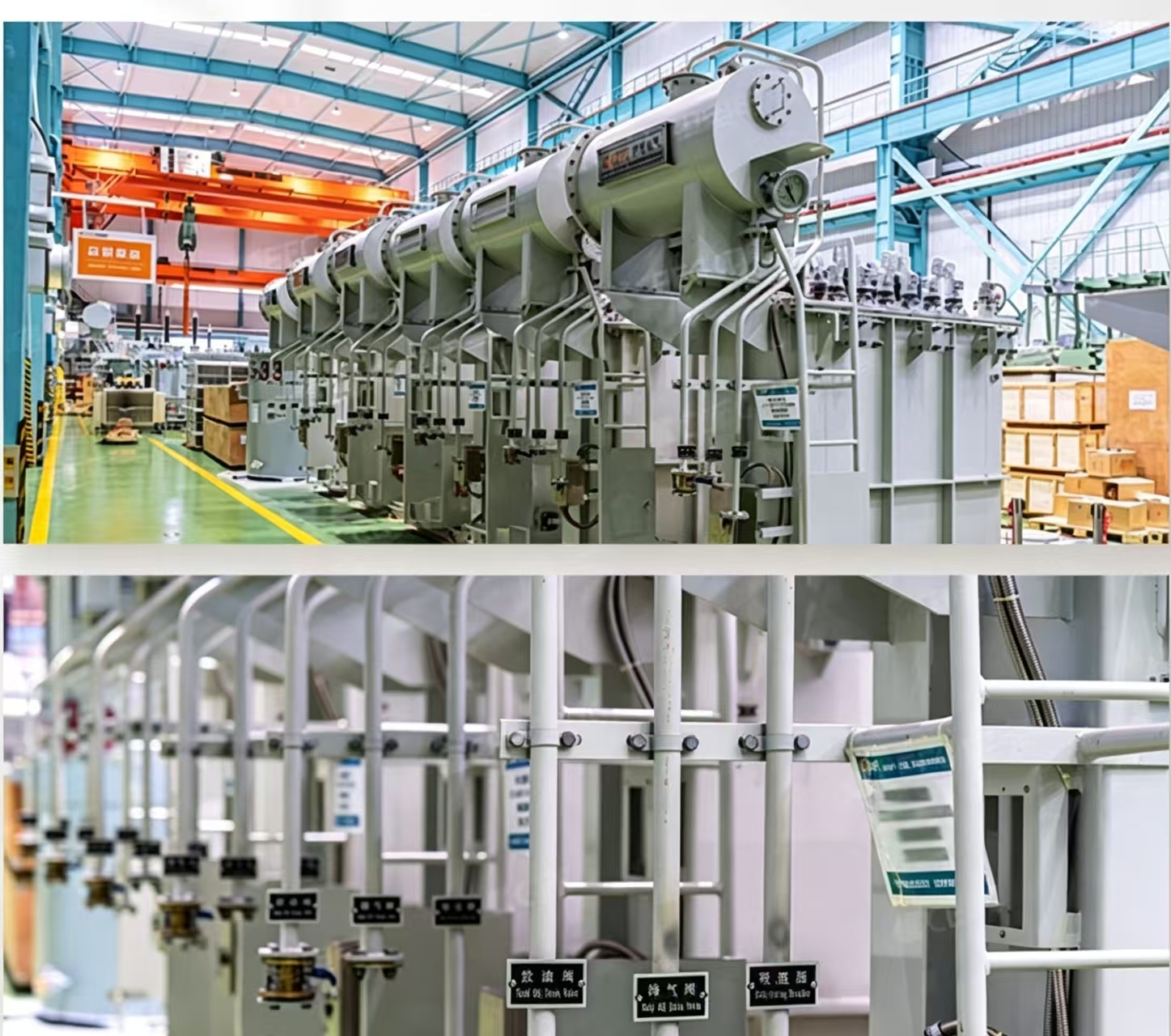
European projects demand rigorous compliance, technical standards, and vendor accountability that fundamentally reshape how organizations evaluate prefabricated substation suppliers europe. Unlike regions with less stringent regulatory frameworks, European procurement environments require suppliers to demonstrate certifications, safety credentials, environmental compliance, and proven operational history across multiple jurisdictions. When planning infrastructure projects within Europe, the substation selection process becomes far more complex because European projects inherently impose technical harmonization requirements, budget accountability, and timeline constraints that directly influence which suppliers qualify for consideration. Understanding how these European project requirements shape procurement decisions is essential for project managers, engineers, and procurement teams seeking reliable, compliant partnerships.
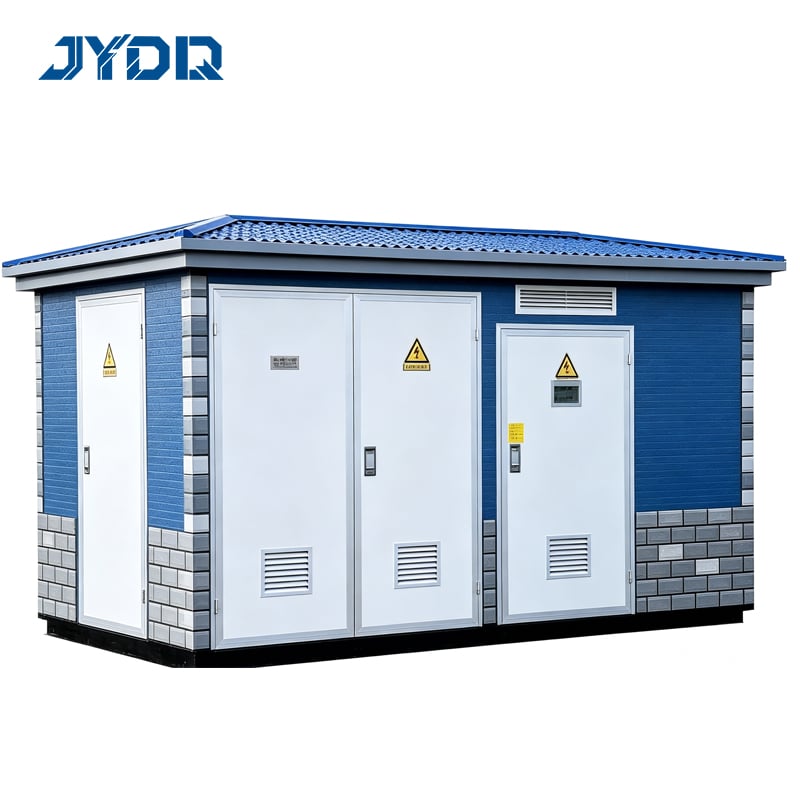
The relationship between European projects and substation selection criteria has evolved significantly over the past decade. European Union directives, national grid codes, environmental regulations, and cross-border interconnection standards all converge to create a distinctive procurement landscape that distinguishes European projects from other markets. Organizations that misunderstand these requirements often face project delays, cost overruns, or compliance violations. This article explores how European project requirements drive substation selection decisions, what procurement factors matter most, and how to align supplier evaluation with the unique demands of European infrastructure development.
How European Project Requirements Shape Substation Selection Standards
Regulatory Compliance and Technical Harmonization
European projects operate within a framework of interconnected regulations spanning environmental protection, safety standards, grid compatibility, and electromagnetic compliance. The European Union's Technical Standards for electricity systems, combined with national grid codes in individual member states, create baseline requirements that all substation equipment must satisfy. Substation selection in European projects therefore prioritizes suppliers demonstrating CE certification, compliance with IEC 61439 standards for switchgear, and adherence to EN 50160 voltage characteristics. These regulatory demands are non-negotiable because grid operators, transmission system operators, and regulatory authorities conduct rigorous audits before permitting new substations to connect. When evaluating substation selection options, European projects specifically require documentary evidence of compliance testing, quality assurance protocols, and third-party verification from notified bodies recognized by the European Commission.
Capital Expenditure Control and Budget Transparency
European projects typically operate under strict capital budgets defined during planning phases, often with limited flexibility for cost escalation. This budget discipline forces procurement teams to demand upfront, transparent pricing from prefabricated substation suppliers europe without hidden contingency factors or post-contract change orders. Unlike markets tolerating cost-plus procurement models, European projects emphasize fixed-price agreements, performance bonds, and contractual penalties for delays. Suppliers who cannot offer competitive, stable pricing struggle to win European project bids. Additionally, European projects increasingly incorporate lifecycle cost analysis, requiring suppliers to document maintenance intervals, spare parts availability, expected service life, and decommissioning obligations. This procurement transparency reflects the accountability culture within European utilities and public sector organizations managing infrastructure investments.
Critical Procurement Factors in European Project Environments
Supply Chain Transparency and Delivery Certainty
European projects demand explicit visibility into supply chain logistics, manufacturing locations, quality control checkpoints, and delivery schedules. Prefabricated substation suppliers europe must maintain robust inventory management and demonstrate ability to meet firm delivery dates without excuses or delays. This requirement stems from the interconnected nature of European grid development, where a single delayed component cascades across multiple project timelines and grid synchronization efforts. Procurement professionals evaluate suppliers based on their warehouse capacity, production capacity verification, geographic proximity to project sites, and historical performance metrics. European projects frequently require suppliers to provide advance shipment notifications, coordinate with project logistics teams, and accept penalty clauses for late delivery. The emphasis on supply chain certainty reflects the high cost of project delays in European contexts, where workforce mobilization, equipment staging, and grid coordination require precision timing.
Technical Support and After-Sales Service Capability
Beyond initial equipment delivery, European projects expect prefabricated substation suppliers to maintain regional service capabilities including installation support, commissioning assistance, maintenance training, and emergency technical response. Substation selection in European contexts increasingly incorporates service level agreements that define response times, spare parts availability, and technician expertise requirements. Suppliers lacking regional service infrastructure face elimination during procurement evaluation because European utilities and project developers recognize that post-installation technical gaps directly threaten operational reliability and grid stability. Additionally, European projects increasingly demand that suppliers provide remote monitoring compatibility, data logging capabilities, and integration with SCADA systems used by grid operators. This service-oriented approach to substation selection reflects the mature, sophisticated nature of European electricity infrastructure where uptime requirements and data transparency drive procurement decisions far beyond simple equipment purchase criteria.
Navigating European Project Procurement with Strategic Supplier Evaluation
Documentation Standards and Audit Readiness
European projects subject procurement processes to rigorous audits by project owners, regulatory authorities, and sometimes public oversight bodies. Prefabricated substation suppliers europe must maintain comprehensive documentation including manufacturing certificates, quality inspection records, test reports, material certifications, and compliance declarations readily available for external review. Substation selection therefore prioritizes suppliers demonstrating institutional maturity in documentation management, with digitized records accessible for verification audits. Organizations managing European projects establish formal supplier qualification processes requiring standardized questionnaires, site audits, and reference checks before awarding contracts. Suppliers unable to meet documentation standards or audit readiness criteria face automatic disqualification. This scrutiny reflects the accountability culture within European project environments where transparency, traceability, and institutional integrity drive supplier relationships.
Environmental and Sustainability Compliance
European projects increasingly incorporate environmental performance criteria into substation selection decisions, reflecting the European Union's commitment to climate neutrality and circular economy principles. Procurement teams evaluate suppliers based on manufacturing energy efficiency, use of recyclable materials, transformer oil environmental safety, and decommissioning responsibility plans. Some European projects now require Life Cycle Assessment documentation demonstrating total environmental impact from manufacturing through end-of-life disposal. Prefabricated substation suppliers lacking environmental credentials find themselves disadvantaged in European project procurement, particularly in regions with aggressive sustainability targets. This environmental dimension of substation selection reflects evolving European project standards where carbon footprint, resource efficiency, and regulatory compliance with the EU Taxonomy and Corporate Sustainability Reporting Directive shape purchasing decisions alongside traditional technical criteria.
FAQ
What specific certifications must prefabricated substation suppliers demonstrate for European projects?
European projects require suppliers to provide CE certification confirming compliance with Low Voltage Directive and Electromagnetic Compatibility Directive, along with IEC 61439 certification for switchgear assemblies. Additionally, suppliers must demonstrate ISO 9001 quality management certification, ISO 14001 environmental certification, and compliance with local grid operator technical specifications. Third-party test reports from accredited laboratories validating equipment performance under European standards are mandatory prerequisites for European project participation.
How does budget accountability influence substation selection in European projects?
European projects operate under fixed capital budgets with limited contingency funding, forcing procurement teams to demand transparent, competitive pricing and fixed-price contracts from prefabricated substation suppliers. Suppliers must provide detailed cost breakdowns, lead time estimates, and performance bonds ensuring financial accountability. Budget discipline in European projects eliminates cost-plus procurement models common in less regulated markets, requiring suppliers to absorb minor cost increases and maintain margin discipline throughout contract performance periods.
Why do European projects emphasize service capabilities in substation selection decisions?
European projects prioritize post-installation technical support because grid operators require rapid response capabilities, maintenance expertise, and remote monitoring integration essential for continuous reliability. Prefabricated substation suppliers must maintain regional service centers, technician certification programs, spare parts inventory, and 24/7 emergency response capability. European projects recognize that technical service gaps directly threaten grid stability and operational uptime, making service capability evaluation equally important as equipment quality assessment during the substation selection process.

 EN