Modern industrial facilities depend on reliable power distribution, yet harmonic distortion increasingly threatens equipment performance and longevity. When nonlinear loads operate within a facility, they generate harmonics that fundamentally change how you must evaluate and select a dry type transformer. Understanding this relationship between harmonics and transformer selection is essential for maintaining power quality and protecting your electrical infrastructure.
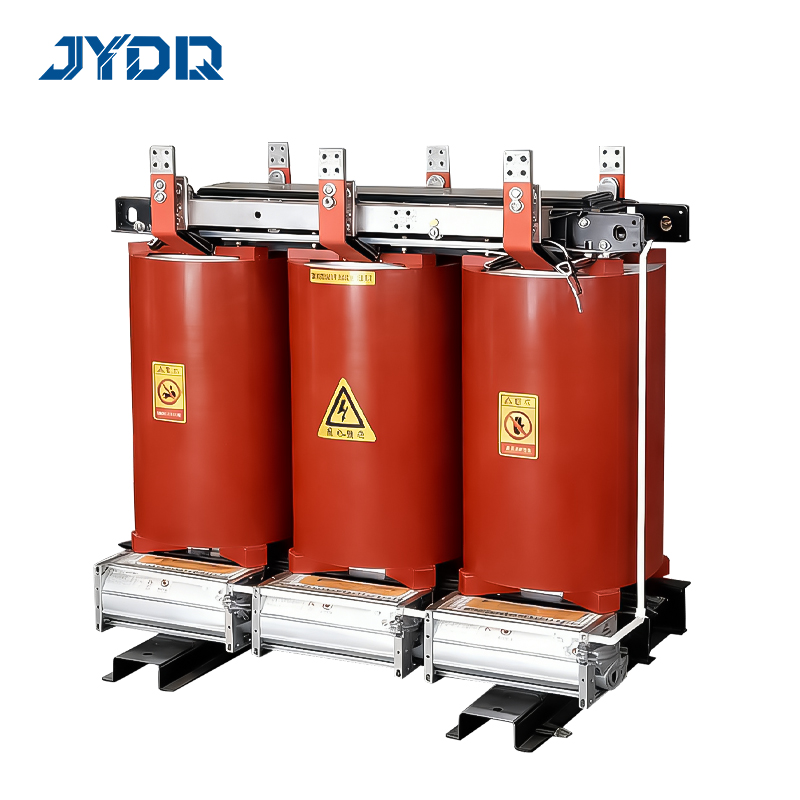
Harmonics are multiples of the fundamental 50 or 60 Hz frequency that flow through your electrical system due to nonlinear load operation. Devices such as variable frequency drives, switching power supplies, LED lighting systems, and uninterruptible power supplies create these harmonic currents. When present in significant levels, harmonics degrade power quality and impose thermal stress on transformers. Recognizing how harmonics interact with transformer design helps engineers and facility managers make informed purchasing decisions that prevent costly failures and maintain system stability.
Understanding Harmonics and Their Impact on Transformer Performance
What Are Harmonics and Nonlinear Loads
Harmonics occur when nonlinear load devices draw current in distorted waveforms rather than sinusoidal patterns. A nonlinear load does not draw current proportionally to the applied voltage. Instead, these loads consume power in abrupt pulses, injecting harmonic currents back into the distribution system. Common examples include rectifier circuits in industrial drives, computerized control systems, and modern lighting ballasts. Each nonlinear load contributes odd harmonics such as 3rd, 5th, 7th, and 9th multiples of the fundamental frequency.
The presence of harmonics degrades overall power quality by increasing voltage distortion and current peaks. This distortion affects not only transformers but also motors, capacitors, and other sensitive equipment. Understanding the specific harmonics generated by your facility's nonlinear load profile becomes critical when selecting appropriate transformer specifications. Power quality issues stemming from harmonics often escalate over time as more electronic devices are added to industrial systems.
Why Harmonics Create Additional Transformer Stress
Transformers experience additional heating when harmonics are present in the load current. Unlike the fundamental frequency, harmonics cause I-squared-R losses that accumulate differently in transformer windings. The skin effect at higher harmonic frequencies concentrates current near conductor surfaces, increasing localized heating beyond calculations based on fundamental frequency alone. A standard dry type transformer rated for linear loads may overheat and degrade prematurely when exposed to significant harmonic content.
Harmonics also increase core losses and can cause resonance conditions that amplify voltage and current distortion. The impedance characteristics of transformers vary at different harmonic frequencies, creating potential for voltage magnification. This resonance becomes particularly problematic when harmonic frequencies align with circuit resonance points determined by transformer impedance and system capacitance. Engineers must account for these harmonic interactions during the dry type transformer selection process to ensure reliable long-term operation.
Dry Type Transformer Selection Criteria for Harmonic Environments
Derating Requirements and K-Factor Ratings
When harmonics are present, dry type transformers must be derated to prevent excessive temperature rise. Industry standards define K-factor ratings that quantify a transformer's ability to tolerate harmonic content. A K-factor of 1.0 indicates a transformer designed for purely sinusoidal load conditions. Higher K-factor values such as K-4, K-9, K-13, or K-20 indicate transformers specifically engineered to handle nonlinear load current. Selecting a dry type transformer with an appropriate K-factor ensures that harmonic losses do not cause insulation degradation or premature failure.
The specific K-factor requirement depends on your facility's total harmonic distortion levels and the percentages of nonlinear load present. Power quality measurements should identify the dominant harmonics and their magnitudes. A dry type transformer with insufficient K-factor will operate at dangerously high temperatures when exposed to harmonics, reducing insulation life dramatically. Conversely, oversizing the K-factor adds unnecessary cost. Selecting the correct K-factor rating optimizes both reliability and economic performance.
Impedance and Cooling System Design
Transformer impedance influences how it responds to harmonic frequencies. A dry type transformer with optimized impedance design minimizes harmonic current amplification and reduces resonance risk. Higher impedance transformers better isolate downstream systems from harmonic distortion while accepting slightly greater voltage drop on the fundamental frequency. The cooling system design becomes equally important in harmonic environments because enhanced ventilation must dissipate the additional heat from harmonic losses.
Dry type transformers intended for harmonic-rich environments often feature enhanced cooling designs such as increased surface area or improved airflow paths. Some models incorporate special winding configurations that distribute harmonic losses more evenly. When evaluating dry type transformer options, verify that cooling capacity has been sized for both fundamental frequency operation and the expected harmonic heating contribution. Insufficient cooling leads to accelerated aging regardless of K-factor selection.
Implementing Power Quality Solutions Alongside Transformer Selection
Harmonic Mitigation Strategies
While selecting a robust dry type transformer with appropriate K-factor is essential, integrating harmonic mitigation strategies strengthens overall system resilience. Active harmonic filters and passive LC filters can reduce harmonic distortion before current reaches the transformer. Phase-shifting transformers or zig-zag grounding transformers help cancel triplen harmonics in three-phase systems. These solutions work synergistically with dry type transformer selection to maintain power quality across the entire facility.
Nonlinear load management through proper circuit segregation and feeder sizing also contributes to effective harmonics control. Dedicated feeders for sensitive loads keep harmonic distortion away from critical equipment. Combining these mitigation techniques with a well-selected dry type transformer rated for the expected harmonic environment creates a comprehensive approach to reliability. Facilities that implement both transformer selection and harmonics reduction see fewer power quality incidents and extended equipment lifespan.
Monitoring and Maintenance Planning
After installing a dry type transformer in a harmonic environment, continuous power quality monitoring identifies any unexpected distortion increases. Temperature monitoring alerts maintenance teams if thermal performance deviates from design expectations. Thermal imaging can reveal hot spots indicating uneven harmonic distribution or cooling deficiencies. Preventive maintenance becomes more critical when harmonics are present because the additional thermal stress accelerates component aging.
Regular load surveys should track changes in nonlinear load percentages as facilities evolve and add equipment. New variable frequency drives, LED upgrades, or data center expansion can shift harmonic profiles significantly. Reassessing dry type transformer performance after major load changes ensures continued compliance with cooling and derating requirements. Proactive monitoring and adaptive maintenance planning extend transformer life and prevent unexpected failures in harmonic-intensive environments.
FAQ
What K-factor rating should I choose for a dry type transformer in a facility with moderate harmonics?
If your facility's total harmonic distortion remains below 5 percent and nonlinear loads comprise less than 25 percent of connected capacity, a K-4 or K-9 rated dry type transformer typically provides adequate protection. Facilities with higher harmonic levels or greater nonlinear load percentages should specify K-13 or K-20 ratings. Conduct a power quality survey to measure actual harmonics before finalizing your dry type transformer specification to avoid both undersizing and unnecessary cost.
Can I use a standard dry type transformer in an environment with significant harmonics?
Standard transformers designed for purely linear loads will overheat when exposed to significant harmonics and nonlinear load current. Using an undersized or non-harmonic-rated dry type transformer risks insulation failure, reduced lifespan, and potential fire hazards. If your facility contains substantial harmonic sources, a properly K-factor rated dry type transformer is essential. The additional investment in harmonic-capable equipment is far less costly than replacing a failed transformer or managing a system outage.
How does transformer impedance relate to harmonic distortion performance?
Higher impedance in a dry type transformer reduces the amplification of harmonic frequencies and minimizes resonance conditions in the distribution system. However, impedance also increases voltage drop on fundamental frequency operation. Engineers balance these competing factors based on specific system requirements. Power quality analysis helps determine optimal impedance levels that protect against harmonics while maintaining acceptable voltage regulation for your facility's nonlinear load and other connected equipment.

 EN