Selecting the right dry type transformer manufacturers for international projects demands a systematic and rigorous approach. Whether you are managing a renewable energy initiative, industrial infrastructure upgrade, or grid modernization program across borders, the quality and reliability of your transformer supplier directly impact project timeline, cost efficiency, and long-term operational performance. This guide provides a comprehensive framework for evaluating dry type transformer manufacturers through multiple critical dimensions, ensuring you select partners capable of meeting demanding international standards and specifications.
International sourcing of dry type transformers introduces unique complexity not present in domestic procurement. Time zones, regulatory variance, shipping logistics, technical documentation standards, and supply chain resilience all contribute to procurement risk. Effective supplier evaluation minimizes these risks while ensuring access to transformers that deliver consistent performance, comply with regional certifications, and support your operational objectives across multiple countries or regions.
Understanding Manufacturer Credentials and Certifications
Core Compliance Standards and Regulatory Frameworks
Before conducting detailed supplier evaluation, confirm that prospective dry type transformer manufacturers hold certifications aligned with the regions where your projects operate. International standards such as IEC 61558, IEEE C57.12.01, and EN 61558 define electrical performance, temperature rise limits, dielectric strength, and safety protocols. Regional certifications including CE marking in Europe, UL listing in North America, and CCC certification in China indicate manufacturer commitment to compliance.
Quality control systems matter equally. Verify ISO 9001:2015 certification, which demonstrates systematic quality management across design, production, and delivery. Many leading manufacturers pursue ISO 14001 for environmental management and OHSAS 18001 for occupational safety, signaling organizational maturity. Request documentation evidencing third-party audits, test reports from accredited laboratories, and traceability systems that track component sourcing and manufacturing batches.
Technical Documentation and Design Capabilities
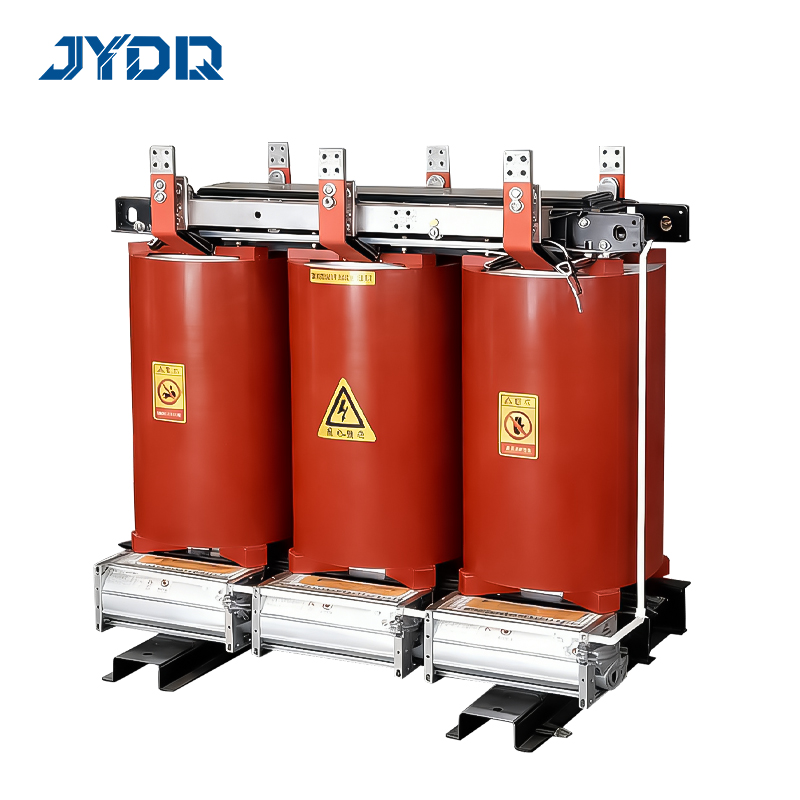
Request comprehensive technical documentation from each prospective manufacturer. Dry type transformer manufacturers must provide detailed specifications including rated power, voltage classes, impedance values, cooling method, insulation class, and environmental operating ranges. Examine whether they offer custom design services for non-standard specifications common in international projects. Assess their capacity to integrate local grid requirements, climate considerations, and installation constraints into engineering solutions.
Review case studies and reference projects completed by the manufacturer. International sourcing benefits from suppliers with proven experience in comparable regions and applications. Documentation should include test certificates from independent laboratories, performance validation reports, and evidence of successful installations under similar operational conditions.
Evaluating Supplier Reliability and International Sourcing Capacity
Manufacturing Infrastructure and Supply Chain Resilience
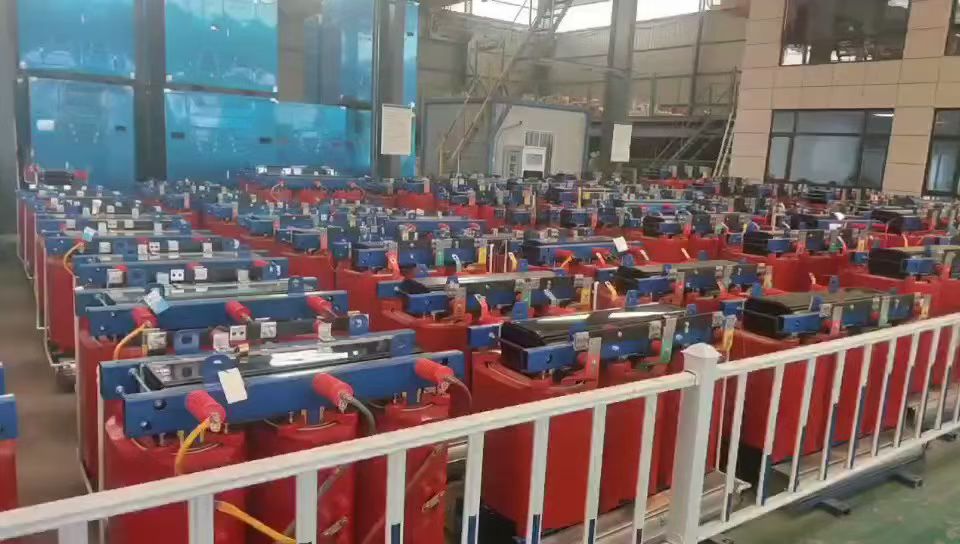
International sourcing depends on manufacturer stability and supply chain resilience. Visit manufacturing facilities when feasible or request comprehensive facility tours via video conference. Assess production capacity relative to your project volume and delivery timeline. Verify that dry type transformer manufacturers maintain adequate inventory of critical components, implement redundant supplier relationships for key materials, and possess documented contingency plans for supply disruptions.
Quality control infrastructure directly correlates with transformer reliability. Evaluate incoming material inspection protocols, in-process testing stations, and final product acceptance testing. Modern manufacturers employ automated insulation resistance testing, partial discharge analysis, thermal imaging during temperature rise tests, and vibration analysis. Request quality assurance reports demonstrating failure rates, trend analysis, and continuous improvement initiatives.
Delivery Capability and Logistics Coordination
International projects require reliable delivery schedules and professional logistics coordination. Confirm that the manufacturer has established relationships with freight forwarders, understands export documentation requirements, manages customs clearance, and provides installation support across regions. Dry type transformer manufacturers experienced in international sourcing maintain transparent lead time projections, provide real-time shipment tracking, and offer packaging designed for long-distance transport while maintaining product integrity.
Clarify responsibility allocation for insurance, transportation damage liability, and warranty coverage across borders. Professional suppliers define these terms clearly in international contracts and maintain quality control checkpoints throughout the delivery chain.
Assessing Technical Support and Long-Term Partnership Value
Engineering Support and Customization Services
Superior dry type transformer manufacturers provide robust engineering support beyond standard product catalogs. Evaluate their capacity to perform load flow analysis, thermal modeling, and grid integration studies specific to your project environment. They should offer technical consultation on conductor sizing, cooling system optimization, mounting configuration, and installation methodology suited to local conditions and available infrastructure.
Supplier evaluation should include assessment of their approach to continuous improvement and technical innovation. Inquire about their research and development initiatives, investment in emerging technologies such as enhanced insulation materials or IoT-enabled monitoring, and willingness to collaborate on forward-looking specifications aligned with industry trends.
After-Sales Service and Warranty Structure
International sourcing introduces geographic distance that complicates after-sales support. Examine warranty duration, coverage scope, and response mechanisms for addressing defects or performance issues. Premium dry type transformer manufacturers establish regional service networks, maintain spare component inventory, and provide rapid troubleshooting support across time zones. Confirm their commitment to predictable support response times and their track record resolving issues efficiently.
Evaluate training capabilities for your operations and maintenance teams. Comprehensive manufacturers provide documentation in multiple languages, conduct onsite commissioning support, and deliver staff training on monitoring, maintenance protocols, and emergency procedures specific to your installed equipment.
FAQ
What specific certifications should I prioritize when evaluating dry type transformer manufacturers?
Prioritize ISO 9001:2015 for quality management, relevant international electrical standards like IEC or IEEE depending on your region, and regional compliance markings such as CE, UL, or CCC. Verify third-party audit documentation and request test certificates from accredited laboratories confirming performance compliance with your specifications.
How does international sourcing differ from domestic supplier evaluation for transformers?
International sourcing introduces complexity around regulatory variance across regions, shipping logistics, customs documentation, time zone coordination, and supply chain resilience. Supplier evaluation must assess manufacturer experience with cross-border delivery, language capabilities, regional compliance knowledge, and established logistics partnerships ensuring reliable performance across geographic boundaries.
What questions should I ask during quality control assessment of dry type transformer manufacturers?
Inquire about incoming material inspection protocols, in-process testing frequency and methodology, final product acceptance testing procedures, failure rate tracking and trend analysis, and continuous improvement systems. Request access to recent quality assurance reports, third-party audit findings, and documentation of corrective actions addressing identified issues.

 EN