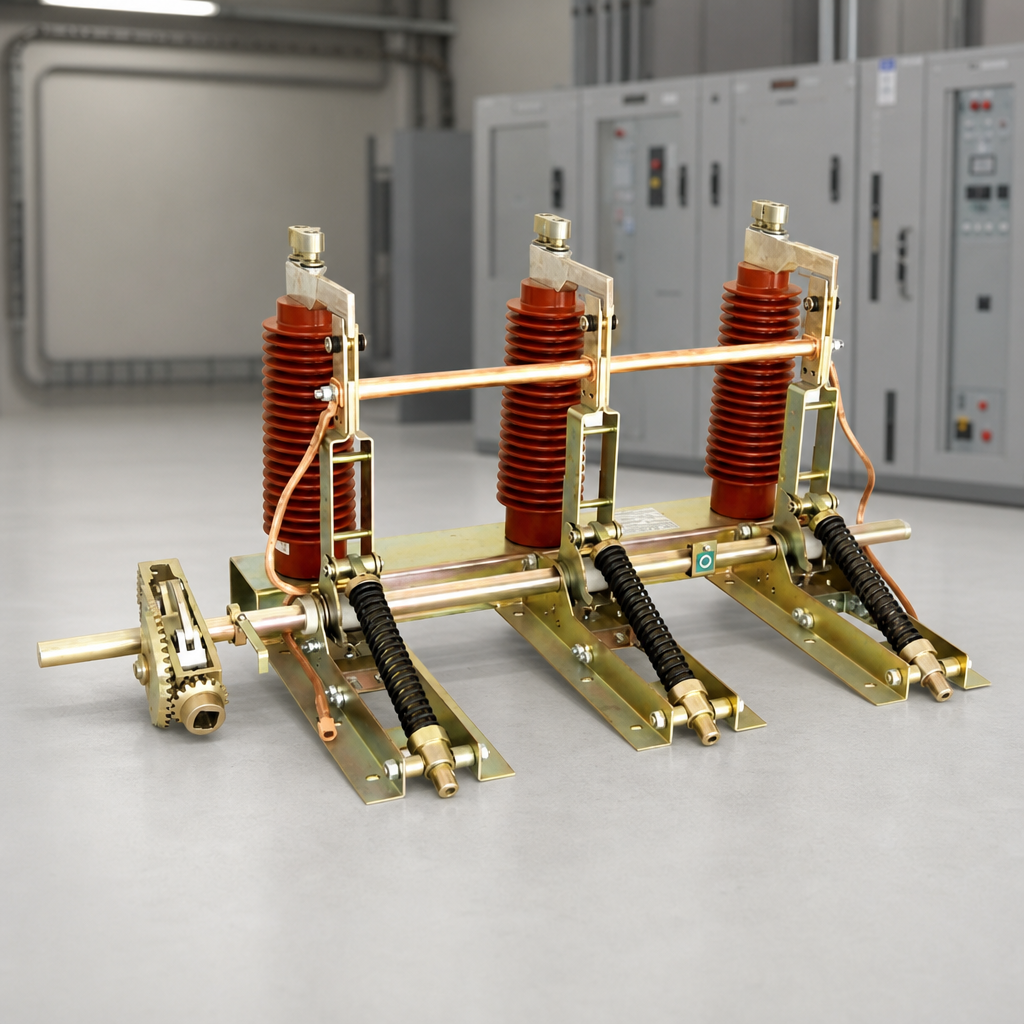
Selecting the right vacuum circuit breaker for your switchgear installation requires careful consideration of electrical specifications, mechanical compatibility, and operational requirements. A vacuum circuit breaker is a critical switching device that uses vacuum as the arc-quenching medium, offering superior performance in medium voltage applications. Proper matching between the VCB and the switchgear enclosure ensures safe operation, reliable fault interruption, and extended equipment lifespan.
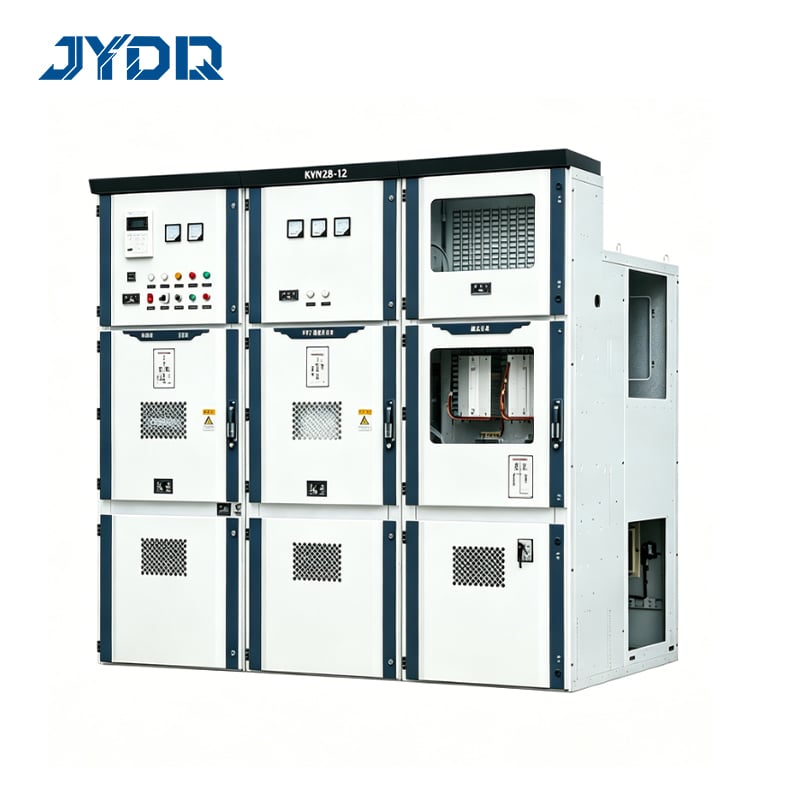
The process of matching a vacuum circuit breaker with switchgear involves evaluating voltage ratings, breaking capacity, current ratings, and physical dimensions. Your switchgear configuration must accommodate the VCB's mounting structure, control mechanisms, and auxiliary equipment. Understanding these matching criteria prevents costly installation errors and ensures that your switchgear system performs at design specifications in industrial and utility applications.
Understanding Voltage and Current Specifications
Rated Voltage Compatibility
The rated voltage of your vacuum circuit breaker must align precisely with the switchgear's design voltage. Medium voltage switchgear typically operates at 6 kV, 10 kV, or 35 kV, and VCB integration demands exact matching to these standards. Selecting a VCB rated below the switchgear voltage creates serious safety risks, while oversizing increases unnecessary costs. Always verify that the vacuum circuit breaker nameplate voltage matches the medium voltage level of your switchgear equipment.
Breaking Capacity and Current Rating
Breaking capacity indicates the maximum fault current that a vacuum circuit breaker can safely interrupt. This specification must exceed the switchgear's calculated short-circuit capacity under worst-case conditions. Most industrial medium voltage systems require breaking capacities between 20 kA and 50 kA. The continuous current rating of the VCB determines normal load-carrying capability and must not be undersized relative to your facility's peak demand. Mismatched breaking capacity can result in breaker failure during fault conditions, compromising plant safety.
Physical and Mechanical Compatibility
Mounting Configuration and Dimensions
Vacuum circuit breaker dimensions must fit within the switchgear compartment without modification or retrofit. The width, height, and depth of the VCB determine whether it occupies one, two, or three compartments in a modular switchgear frame. VCB integration into switchgear requires clearance for operating handles, contactors, and cable connections. Verify compartment width restrictions and confirm that the vacuum circuit breaker does not interfere with adjacent equipment. Physical incompatibility forces expensive redesign or forces selection of non-standard switchgear configurations.
Connection and Mechanical Interface
The mechanical interface between the vacuum circuit breaker and switchgear bus structure must provide secure contact without gaps or movement. Most medium voltage switchgear uses plug-in or bolt-on connection methods. The VCB's terminal configuration must match the switchgear's power distribution rails precisely. Test mechanical engagement before final installation to ensure proper seating. Loose connections increase contact resistance, generate heat, and eventually cause breaker failure or switchgear damage during operation.
Control, Protection, and Operational Integration
Auxiliary and Control Voltage Requirements
Modern vacuum circuit breaker units require control voltage to power solenoids, trip coils, and motor operators for closing mechanisms. Your switchgear must supply the correct auxiliary voltage—typically 110 V DC or 220 V DC in industrial applications. VCB integration includes proper wiring of control circuits, ensuring that trip signals and status indicators function reliably. Medium voltage switchgear designs must include dedicated control transformer and battery systems sized for the vacuum circuit breaker's steady-state and transient power demands. Undersized control systems prevent proper breaker operation during normal switching or emergency shutdown events.
Protection and Relay Coordination
The vacuum circuit breaker's protection settings must coordinate with switchgear relay systems to ensure selective clearing of faults. Overcurrent relays, earth fault protection, and differential schemes must be tuned to the VCB's actual response characteristics and mechanical operating speed. Medium voltage protection schemes typically employ zone-selective interlocking to prevent nuisance trips and cascade failures. Test protection settings during switchgear commissioning to confirm that the vacuum circuit breaker responds appropriately to simulated fault conditions. Improper coordination creates protection blind spots and extends fault duration, increasing equipment damage and personnel risk.
Standards, Testing, and Certification
Compliance and Type Testing
Verify that both the vacuum circuit breaker and switchgear meet relevant international standards such as IEC 62271 for high-voltage switchgear. Type testing certifications for the VCB confirm rated voltage, breaking capacity, and operating duty cycle compliance. The switchgear manufacturer must document that the specific vacuum circuit breaker model has been tested and approved within that enclosure configuration. Do not assume compatibility based on identical voltage ratings alone. Request factory test reports, combined system certifications, and technical documentation proving successful VCB integration for your application class.
Environmental and Operational Conditions
Evaluate whether the vacuum circuit breaker's environmental specifications match the switchgear installation environment. Medium voltage switchgear located in coastal, high-altitude, or pollution-prone areas requires VCB units with enhanced corrosion resistance and insulation coordination. Operating temperature ranges, humidity ratings, and contamination classifications must be confirmed for both components. The vacuum circuit breaker's maintenance intervals and spare parts availability must align with your facility's service capabilities and downtime tolerance. Environmental mismatch reduces breaker lifespan and increases unplanned failure rates in harsh industrial settings.
FAQ
Can a vacuum circuit breaker be retrofitted into existing switchgear?
Retrofitting a vacuum circuit breaker into older switchgear requires confirming mechanical fit, control voltage compatibility, and protection system coordination. If the existing switchgear compartment dimensions accommodate the VCB and auxiliary voltage supplies are available, retrofitting is technically feasible. However, testing and commissioning costs may approach the price of replacement switchgear. Consult the original switchgear manufacturer to verify that retrofitted VCB integration will not void remaining warranties or create certification compliance issues.
What is the typical lifespan of a vacuum circuit breaker in medium voltage switchgear?
A properly matched vacuum circuit breaker in medium voltage switchgear typically operates reliably for 20–30 years with routine maintenance. Actual lifespan depends on switching frequency, fault exposure, and maintenance quality. VCB contacts wear gradually with each switching operation; contact erosion eventually limits breaking capacity. Modern vacuum circuit breaker designs support 10,000 or more mechanical cycles before requiring contact replacement. Schedule periodic inspections and contact servicing based on manufacturer recommendations to maximize equipment life.
How do I verify that a new vacuum circuit breaker is compatible with my switchgear?
Start by comparing voltage ratings, breaking capacity, and physical dimensions against switchgear specifications and the VCB nameplate. Request technical documentation and factory test reports confirming successful integration in identical switchgear models. Contact the switchgear manufacturer's engineering team to review your specific application requirements. Conduct dry-run mechanical fitting before final purchase to confirm that the vacuum circuit breaker seats properly in compartments and control systems align correctly. Request commissioning support from either the VCB or switchgear supplier to validate complete system functionality after installation.

 EN