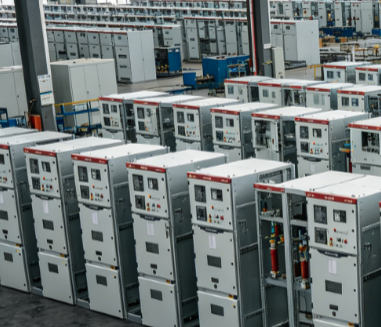
Choosing the right high and low voltage switchgear is one of the most critical decisions in designing an industrial power system. The switchgear you select directly impacts facility safety, operational reliability, maintenance costs, and long-term equipment performance. Industrial facilities require comprehensive power management solutions that protect circuits, isolate faults, and ensure continuous energy delivery across all operational zones.
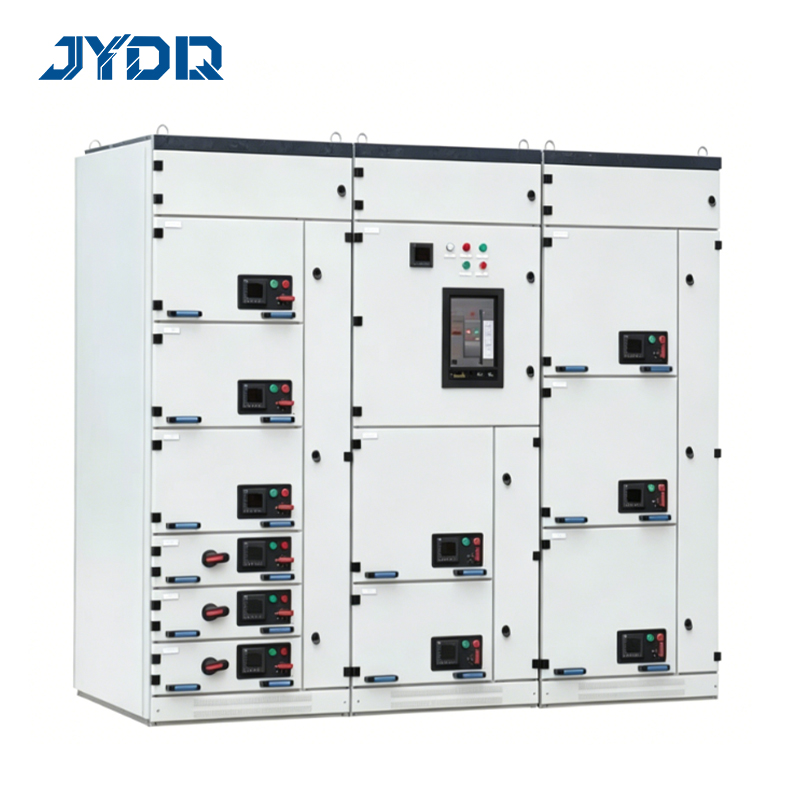
Industrial facilities face unique electrical challenges that demand specialized switchgear solutions. Understanding switchgear selection principles, voltage classification requirements, and distribution standards helps facility managers make informed purchasing decisions. This guide walks through the essential factors that determine whether medium-voltage or low-voltage equipment is appropriate for your specific industrial application, ensuring compliance with electrical codes while maximizing operational efficiency.
Understanding Voltage Classification and Industrial Power Requirements
High Voltage Switchgear Applications
High voltage switchgear typically handles electrical systems operating above 1,000 volts, commonly ranging from 1 kV to 765 kV depending on industrial scale and utility connection points. Large manufacturing facilities, chemical plants, and mining operations frequently require high voltage switchgear to manage power received directly from utility substations or on-site generation systems. These devices control main electrical feeds, enable system isolation during maintenance, and provide essential protection against short circuits and equipment overloads that could otherwise cascade throughout the facility.
The primary purpose of high voltage switchgear in industrial power environments is to reliably switch and protect circuits while minimizing operational downtime. These units incorporate sophisticated arc-suppression technology, vacuum or gas-insulated design, and automated control systems that detect electrical faults within milliseconds. Choosing appropriate high voltage switchgear means evaluating your facility's total power demand, analyzing peak load profiles, and confirming that equipment ratings align with your utility's available fault capacity and service parameters.
Low Voltage Switchgear Applications
Low voltage switchgear operates at voltages below 1,000 volts, typically between 120 volts and 600 volts in most industrial environments. This switchgear classification covers branch circuits, sub-distribution panels, motor control centers, and localized power distribution networks throughout manufacturing plants, warehouses, and processing facilities. Low voltage switchgear handles individual machine circuits, production line controls, lighting systems, and HVAC equipment that represent the majority of actual facility loads and operational touchpoints.
Industrial power management depends on coordinated low voltage switchgear selection because these devices represent the interface between main electrical feeds and end-use equipment. Effective switchgear selection at this voltage level involves assessing individual circuit requirements, motor starting characteristics, branch protection standards, and predictable overcurrent scenarios. Properly rated low voltage switchgear ensures that electrical faults remain isolated to affected circuits rather than propagating system-wide failures that would halt production operations.
Key Selection Criteria for Industrial Switchgear Deployment
Load Analysis and Fault Capacity Matching
Every switchgear selection process begins with comprehensive load analysis that quantifies your facility's electrical demands across all operational modes and scenarios. Industrial power calculations must account for continuous steady-state loads, transient peaks during motor starting sequences, seasonal demand fluctuations, and potential future expansion requirements. Understanding your facility's available fault capacity from the utility connection point determines the interrupting rating required for your switchgear equipment, ensuring that protective devices can safely clear fault currents without equipment damage or arc flash hazards.
Mismatching switchgear capacity to available fault capacity creates serious operational risks that compound over time. Switchgear rated at insufficient interrupting capacity cannot safely clear maximum available fault currents, potentially resulting in arc flash incidents, equipment destruction, or complete facility power loss during emergency conditions. During switchgear selection, obtain your utility's available fault current documentation and verify that all proposed equipment ratings exceed these maximum values with appropriate safety margins established by industry standards and local electrical codes.
Environmental Conditions and Operational Context
Industrial facilities operate in diverse environmental contexts that directly influence switchgear selection outcomes and long-term reliability. Temperature extremes, humidity levels, corrosive chemical exposure, dust accumulation, and vibration from nearby machinery all degrade switchgear performance and shorten service intervals if not properly addressed during equipment specification. Outdoor switchgear installations require weather-resistant enclosures and enhanced corrosion protection, while indoor industrial environments often demand IP ratings appropriate for moisture and particulate exposure levels within production areas.
Switchgear selection must incorporate environmental duty assessments that consider temperature rise under full load, ventilation requirements for enclosure cooling, and accessibility for routine maintenance activities. Equipment operating in harsh industrial environments experiences accelerated component degradation unless specified with enhanced insulation systems, drainage provisions, and protective finishes designed for chemical or thermal exposure. Evaluating these environmental factors during switchgear selection prevents premature failures and unplanned maintenance emergencies that disrupt facility operations and increase overall lifecycle costs.
Design Integration and Distribution Strategy
Coordinated Protection and Selective Overcurrent Schemes
Effective industrial power distribution requires switchgear selection that supports coordinated protection schemes where overcurrent devices respond in proper sequence, isolating only the affected circuit while maintaining power to unaffected facility areas. This protective coordination between main switchgear, distribution feeders, and branch circuit protection devices prevents widespread outages resulting from isolated electrical faults. Switchgear selection must ensure that protective device ratings and time-current characteristics form a coordinated protective stack that guides fault current away from sensitive processes while maintaining system continuity.
Distribution architecture depends on switchgear selection strategy that balances reliability against cost and complexity. Radial distribution networks with primary switchgear feeding multiple secondary distribution centers offer straightforward control and simplified troubleshooting when faults occur. Ring or mesh distribution systems using switchgear with cross-tie capabilities provide greater redundancy and allow selective power routing around maintenance areas or fault locations. Your switchgear selection approach must align with your facility's operational criticality, maintenance philosophy, and acceptable downtime tolerances to ensure optimal system resilience.
Future Capacity and System Flexibility
Industrial facilities rarely remain static throughout their operational lives, making switchgear selection decisions that accommodate future growth increasingly valuable. Specifying modular switchgear with available expansion spaces, sealed spare positions, and scalable control architectures protects capital investment when facility demands evolve. Switchgear selection for expandable architecture costs more initially but eliminates costly retrofits when production capacity increases or new manufacturing lines require additional electrical infrastructure within existing facilities.
Planning switchgear selection with forward-looking capacity margins prevents technical obsolescence and premature replacement cycles that waste resources. Modern industrial power systems increasingly incorporate demand-side management, energy storage integration, and renewable generation sources that alter electrical distribution patterns and requirements. Choosing switchgear with compatible communication protocols, digital monitoring capabilities, and firmware upgrade paths ensures that your equipment investment remains relevant as facility electrification strategies evolve over the next decade or beyond.
FAQ
What determines whether an industrial facility requires high voltage versus low voltage switchgear?
Facility size, utility connection voltage, total power demand, and geographic location primarily determine switchgear voltage classification requirements. Large manufacturing plants typically receive utility service at medium or high voltage levels, making high voltage switchgear necessary at main service entrance points. Smaller industrial facilities often connect at lower utility voltages, requiring only low voltage switchgear for branch distribution. Switchgear selection depends on your specific utility service agreement and local electrical code requirements for your region.
How does switchgear selection impact arc flash risk and worker safety in industrial facilities?
Proper switchgear selection directly reduces arc flash hazard energy levels through appropriate protective device coordination and fault clearing speed. Equipment rated with sufficient interrupting capacity clears high fault currents rapidly, minimizing the energy that could be released during arcing incidents. Switchgear selection that includes arc flash reduction features, current limiting technologies, and modern control systems protects personnel by reducing exposure to dangerous energy levels during maintenance activities or unexpected electrical events.
What maintenance considerations should influence switchgear selection for long-term industrial power reliability?
Switchgear selection should prioritize equipment with accessible contact inspection points, standardized component interfaces, and readily available replacement parts from established suppliers. Low voltage switchgear with modular design allows technicians to service or replace individual components without removing entire assemblies, reducing facility downtime during maintenance. Choosing switchgear from manufacturers with strong regional support networks and documented maintenance protocols ensures that routine servicing and emergency repairs can proceed without extended delays that compromise production operations.

 EN