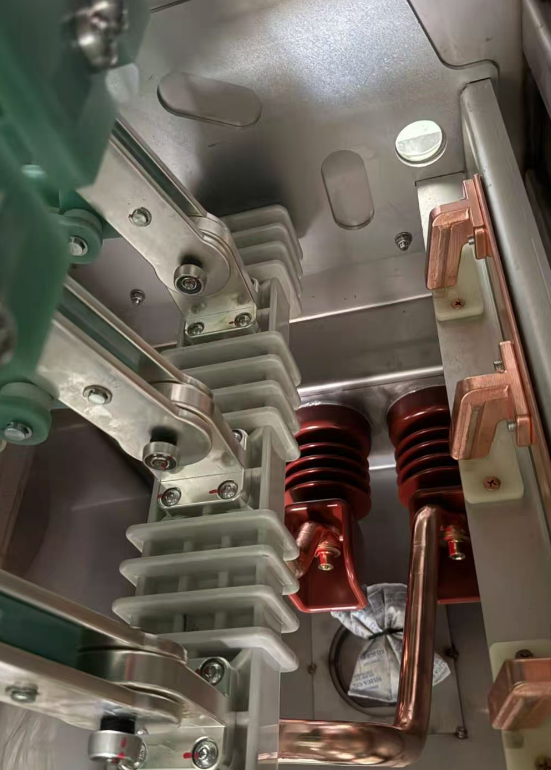
Reviewing technical drawings for high-voltage switchgear systems is a critical skill in electrical engineering and industrial operations. These drawings serve as the foundational blueprint for installation, maintenance, and troubleshooting of complex electrical infrastructure. A thorough review process ensures that all components are properly specified, correctly positioned, and compliant with industry standards and safety regulations. Engineers, technicians, and facility managers must understand how to systematically evaluate these technical drawing documents to prevent costly errors, equipment failures, and potential safety hazards.
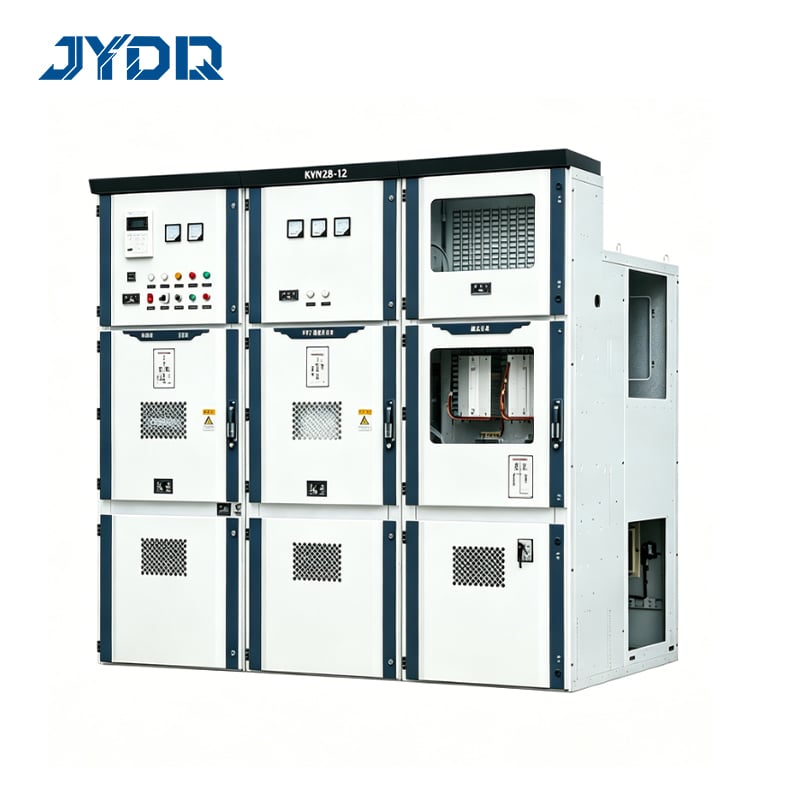
Effective review of high-voltage switchgear systems requires a structured methodology that covers electrical accuracy, component specifications, safety clearances, and operational requirements. The single line diagram forms the core reference document, supplemented by detailed layout drawings, wiring schematics, and protection coordination charts. Understanding how these documents relate to each other and what specific details to validate in each type of drawing is essential for professionals working with switchgear installations and upgrades.
Understanding the Single Line Diagram
Purpose and Information Content
The single line diagram represents the electrical architecture of the high-voltage switchgear systems in simplified form. It displays the main power sources, transformers, circuit breakers, disconnecting switches, and protective devices using standardized symbols. This diagram allows reviewers to quickly understand power flow paths, equipment interconnections, and system protection logic without getting lost in detailed wiring complexity. When reviewing a technical drawing of this type, confirm that all major electrical components are represented and that their symbols match industry standards such as IEEE or IEC conventions.
Key Elements to Validate
During your review of the single line diagram, verify that voltage levels are correctly labeled at each section, protection device ratings match the conductor and load requirements, and redundancy or backup paths are clearly shown. Check that all incoming and outgoing feeder connections are accounted for and that grounding points are explicitly marked. The technical drawing should show the relationship between multiple devices, ensuring that coordinated protection operates correctly. Any gaps or ambiguities in the single line diagram will propagate downstream into installation and maintenance procedures, making thorough review essential.
Detailed Layout Assessment
Physical Space and Clearance Verification
The layout portion of your technical drawing review addresses how High-Voltage Switchgear Systems are physically arranged within the designated area. Review dimensions, clearances, and spacing between major components to ensure compliance with national electrical codes and manufacturer specifications. Verify that access pathways for operation and maintenance are adequate, that ventilation requirements for cooling are accommodated, and that emergency egress is not obstructed. The layout drawing must show how individual switchgear modules interconnect, cable routing paths, and utility connections. Dimensional accuracy is critical; even small deviations in the layout can impact installation feasibility, equipment accessibility, and long-term operational safety.
Component Mounting and Support Systems
When reviewing the layout of high-voltage switchgear systems, examine how each component is mounted and what structural support systems are required. The technical drawing should specify mounting heights, vibration isolation requirements, and anchoring methods appropriate for the electrical loads and environmental conditions. Confirm that bus bars, cable trays, and control cabinets are positioned to allow proper airflow and heat dissipation. Check that the layout drawing accounts for future expansion or maintenance activities without requiring complete system reconfiguration. Identifying these details during the review phase prevents costly rework and operational interruptions later.
Electrical Specifications and Safety Compliance
Protective Device Coordination
Protective device coordination in a technical drawing ensures that faults are detected and cleared by the nearest upstream device without affecting downstream circuits. Review the single line diagram and supporting coordination charts to verify that overcurrent relay settings, instantaneous trip thresholds, and time-delay characteristics create the correct selectivity sequence. The technical drawing must show calculated maximum fault currents at each point and confirm that all protective devices have adequate short-circuit ratings. This aspect of your review prevents cascading failures and protects equipment from unnecessary trips during abnormal conditions.
Grounding and Safety Systems
A comprehensive review of high-voltage switchgear systems must include verification of all grounding connections, equipotential bonding paths, and personnel safety systems. The technical drawing should explicitly show main grounding electrodes, equipment grounding conductors, and any isolated or floating ground arrangements. Check that arc flash hazard levels are calculated and documented, that interlocks prevent unsafe operating procedures, and that test points are provided for maintenance verification. The layout and single line diagram together must demonstrate that all safety requirements are met and that the installation follows applicable regulations for high-voltage electrical systems.
FAQ
What are the most common errors found during technical drawing reviews?
Common errors include inconsistent voltage levels between the single line diagram and the layout, incorrect device ratings that don't match conductor sizes or fault levels, missing grounding connections, and protection coordination gaps where adjacent devices are not properly coordinated. Many reviews also reveal layout drawings that don't account for required clearances, cable routing that creates operational bottlenecks, and incomplete labeling of components. Catching these errors during the review phase is far more cost-effective than discovering them during installation or commissioning.
How detailed should a technical drawing be for high-voltage switchgear systems?
Technical drawings for high-voltage switchgear systems should include sufficient detail to enable installation technicians and future maintenance personnel to understand the complete system without requiring constant clarification from the designer. This means the single line diagram must show all major components and their relationships, the layout must include dimensions and mounting details, and supporting documents must cover protection settings, grounding schemes, and safety procedures. The level of detail needed increases with system complexity and the number of people who will interact with the equipment over its lifetime.
What standards should reviewers use when evaluating high-voltage switchgear systems?
Reviewers should reference industry standards such as IEEE C37 series for protection and control, ANSI/NFPA 70 (National Electrical Code), IEC 62271 for high-voltage switchgear, and any applicable local or regional electrical codes. Manufacturer specifications and application guides are also critical references, as they define equipment capabilities and limitations. The technical drawing review should confirm that all system components and procedures align with these standards and that no conflicts exist between different referenced documents.

 EN