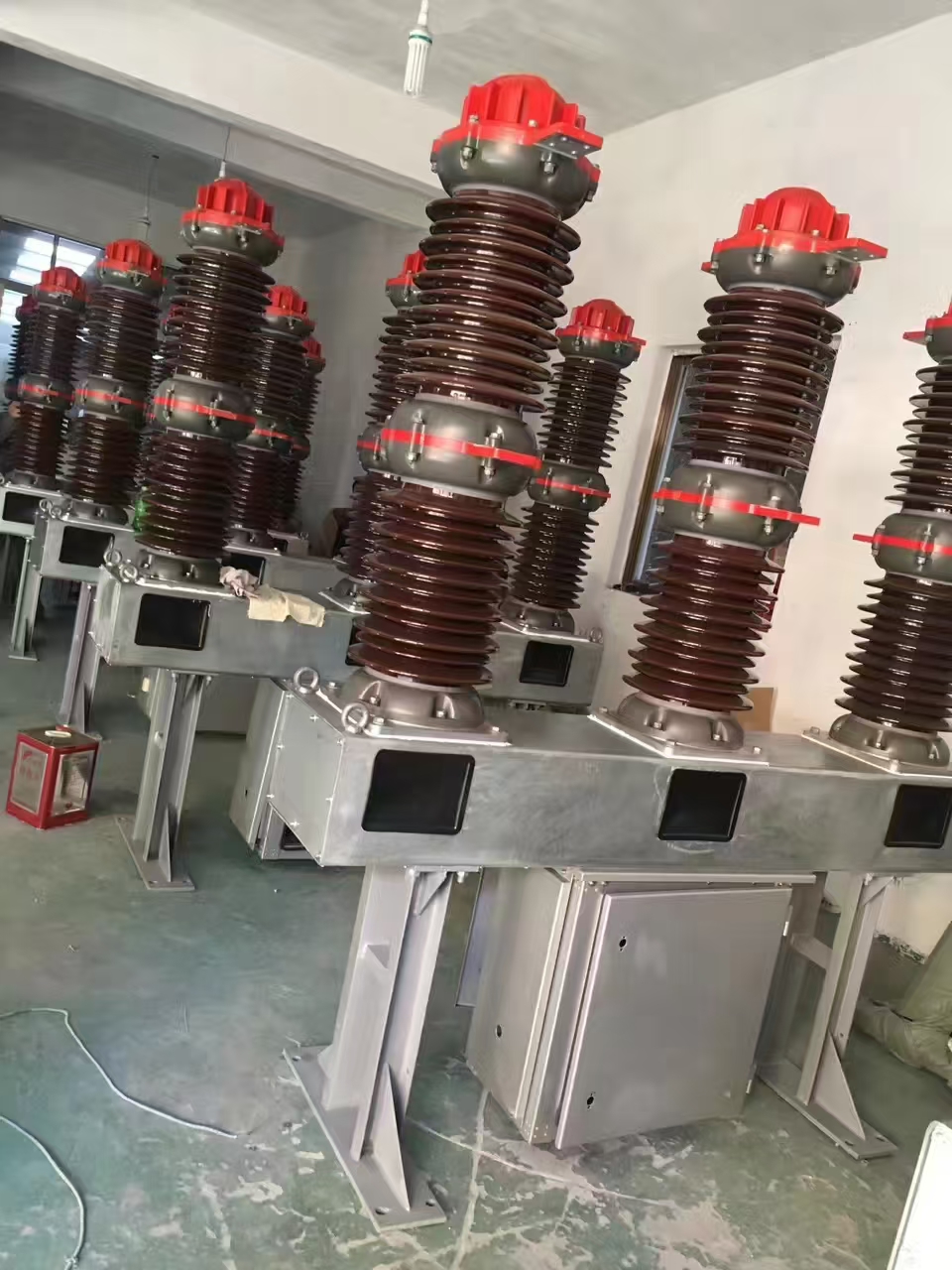
Selecting the right prefabricated box-type transformer is one of the most critical decisions you will make when planning industrial power infrastructure. These integrated units combine transformer, switchgear, and protection equipment into a single compact substation, eliminating the need for complex on-site assembly and reducing deployment time significantly. For industrial sites where reliability, efficiency, and fast commissioning matter, understanding the selection process ensures you invest in equipment that truly meets your operational demands.
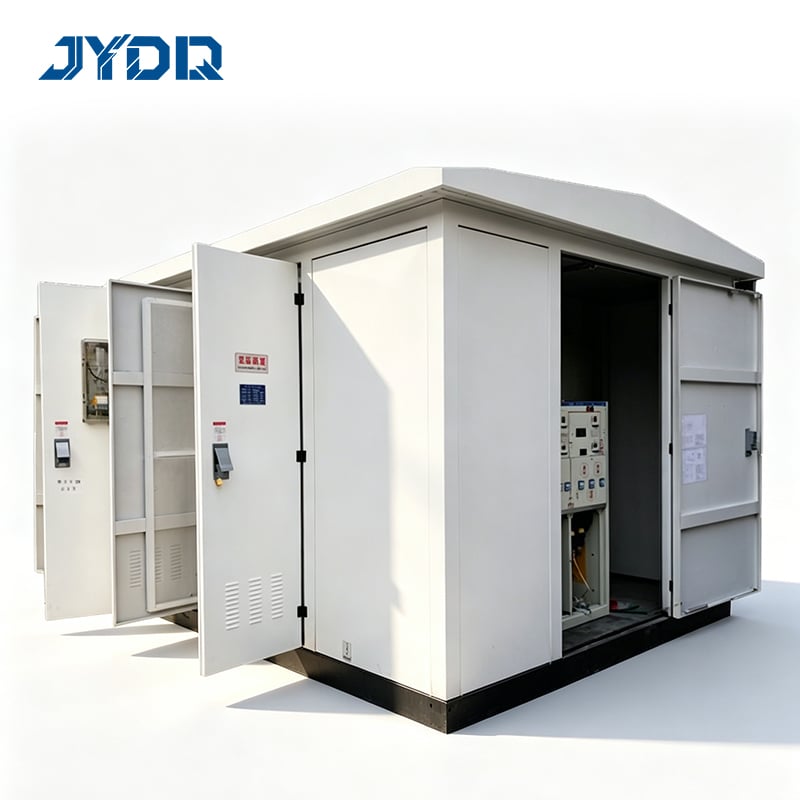
The prefabricated box-type transformer represents a fundamental shift in how industrial power distribution systems are deployed. Unlike traditional approaches that require field construction, testing, and extensive commissioning work, these factory-built units arrive at your site as complete, tested systems ready for installation. This approach reduces construction delays, minimizes human error, and ensures consistent quality across your industrial power infrastructure. For facility managers and engineers, selection requires clear understanding of technical specifications, site conditions, and long-term operational needs.
Understanding Your Industrial Power Requirements
Assessing Load Demand and Growth Patterns
The foundation of any sound selection strategy begins with accurate load analysis for your industrial power system. You must calculate both current demand and projected growth over the next five to ten years. This includes analyzing peak loads, seasonal variations, and potential production expansions that may increase electrical demand. Undersizing your compact substation leads to operational constraints and future costly upgrades, while oversizing results in inefficient operation and unnecessary capital expenditure. Document all connected equipment, motor specifications, and intermittent loads to build a comprehensive demand profile that guides your prefabricated box-type transformer sizing decision.
Voltage and Connection Configuration
Industrial sites operate at different voltage levels depending on their utility connection and internal distribution needs. You must verify your incoming utility voltage and determine the secondary voltage required for your machinery and production processes. Selection criteria for a prefabricated box-type transformer must account for voltage class availability, phase configuration (three-phase or single-phase), and grounding requirements specific to your facility. Confirm whether your site needs step-down transformation, isolated supplies for sensitive equipment, or specialized configurations that certain compact substation designs may not accommodate. Consulting utility company standards and local electrical codes ensures your selection aligns with regulatory requirements and system compatibility.
Technical Specifications and Equipment Rating
Power Capacity and Transformer Rating
The kVA or MVA rating of your prefabricated box-type transformer must match or exceed your calculated demand while allowing reasonable headroom for transient loads and future expansion. Industrial power applications typically require 10–20 percent capacity reserve above peak expected load to accommodate motor inrush currents and temporary demand spikes. Selection between standard ratings such as 100 kVA, 300 kVA, 500 kVA, or 1000 kVA depends on your specific site profile and growth assumptions. Oversizing beyond this reasonable margin wastes resources and reduces transformer efficiency during lighter operation periods, while undersizing risks nuisance tripping and equipment damage. Request detailed load calculations from qualified engineers when selection becomes uncertain between two standard ratings.
Insulation Level and Environmental Resilience
A compact substation deployed on an industrial site must withstand the specific environmental conditions of its location. Considerations include temperature extremes, humidity levels, air quality (dust, salt spray, chemical exposure), and exposure to mechanical stress or vibration. Oil-insulated transformers offer proven performance and cost-effectiveness for most industrial power applications, while dry-type designs reduce fire risk in enclosed or populated areas. Your selection criteria should prioritize insulation class and cooling method based on local ambient conditions and facility safety requirements. Sealed or pressurized designs are particularly valuable for outdoor or harsh-environment applications where contamination and moisture ingress pose significant reliability risks.
Operational and Practical Deployment Factors
Installation Logistics and Site Accessibility
Before you finalize selection of a prefabricated box-type transformer, verify that your industrial power site can physically accommodate the equipment. Consider footprint dimensions, weight, access routes for delivery, and space available for future maintenance or component replacement. Compact substation designs often feature standard footprints optimized for common industrial layouts, but site-specific constraints may require custom arrangements or specialized foundation preparation. Installation requires adequate clearance around cooling equipment, ventilation paths, and cable entry points. Early coordination with facility operations and maintenance teams prevents costly delays and ensures your selected prefabricated box-type transformer can be integrated smoothly into existing infrastructure without disrupting ongoing operations.
Maintenance Access and Spare Parts Availability
Long-term reliability of industrial power systems depends on straightforward maintenance procedures and reliable supply of replacement components. Your selection should prioritize equipment from manufacturers whose compact substation designs feature modular construction, standard component interfaces, and documented maintenance protocols. Verify that spare parts such as fuses, switches, relays, and transformer accessories are readily available locally or through established logistics channels. Consider training requirements for your maintenance team to perform routine inspections, oil testing, and component replacement safely and effectively. Equipment featuring internationally recognized standards and designs ensure easier troubleshooting, faster repair times, and reduced downtime when problems occur, making selection of proven, well-supported systems a sound long-term investment.
Financial and Lifecycle Considerations
Capital Investment and Total Cost of Ownership
While initial purchase price influences selection decisions, wise procurement practices evaluate total cost of ownership over the equipment's useful life. A prefabricated box-type transformer typically operates for 25–40 years, so energy losses, maintenance costs, and operational efficiency matter far more than upfront cost alone. Compare transformer efficiency ratings across candidate products; even modest efficiency improvements reduce operating costs significantly over decades of industrial power service. Include installation costs, foundation requirements, and commissioning time in your financial analysis. Selection based solely on lowest initial price often leads to higher lifetime costs through reduced efficiency, more frequent repairs, and shorter equipment life. Request detailed lifecycle cost models from equipment suppliers to make informed economic comparisons aligned with your long-term budget planning.
Warranty and Support Services
Manufacturer warranty terms and after-sales support vary significantly across compact substation providers and directly impact your selection quality. Standard warranties typically cover defects for one to three years, but reputable suppliers often provide extended options and comprehensive maintenance packages. Your selection should account for availability of technical support, field service teams, and emergency repair capabilities in your region. Review warranty terms carefully to understand what is covered, exclusions that may apply, and the process for making claims. Equipment selection from established manufacturers with strong local presence and service networks provides greater peace of mind and faster resolution if problems develop during operation of your industrial power system.
FAQ
What size prefabricated box-type transformer do I need for my industrial facility?
Sizing depends on your total electrical load and anticipated growth. Calculate peak demand by summing all connected equipment specifications, then add 10–20 percent for transient loads and future expansion. Request a professional load study if uncertainty exists between two standard ratings. Your selection should also consider future production plans and any planned capacity expansions within the next five to ten years.
How does a compact substation reduce installation time compared to traditional transformers?
A prefabricated box-type transformer arrives from the factory as a complete, tested system with transformer, switchgear, protection equipment, and controls integrated into one unit. This eliminates on-site assembly, individual component testing, and complex commissioning work. Installation focuses only on foundation preparation, cable connections, and operational verification, reducing deployment time from weeks to days in many cases.
Are prefabricated box-type transformers suitable for outdoor industrial sites?
Yes, sealed and pressurized designs are specifically engineered for outdoor and harsh-environment industrial power applications. These compact substation configurations resist moisture ingress, dust contamination, and temperature extremes. Your selection should match the insulation system and cooling design to your local climate and site conditions. Consult manufacturers about environmental ratings and recommended installation practices for your specific location.

 EN