Understanding how transformer losses affect operating costs is critical for any industrial facility planning long-term energy management. A dry-type transformer represents a significant capital investment, and its total cost of ownership extends far beyond the initial purchase price. The efficiency of your dry-type transformer directly influences monthly energy bills, maintenance expenses, and overall system performance throughout its operational life.
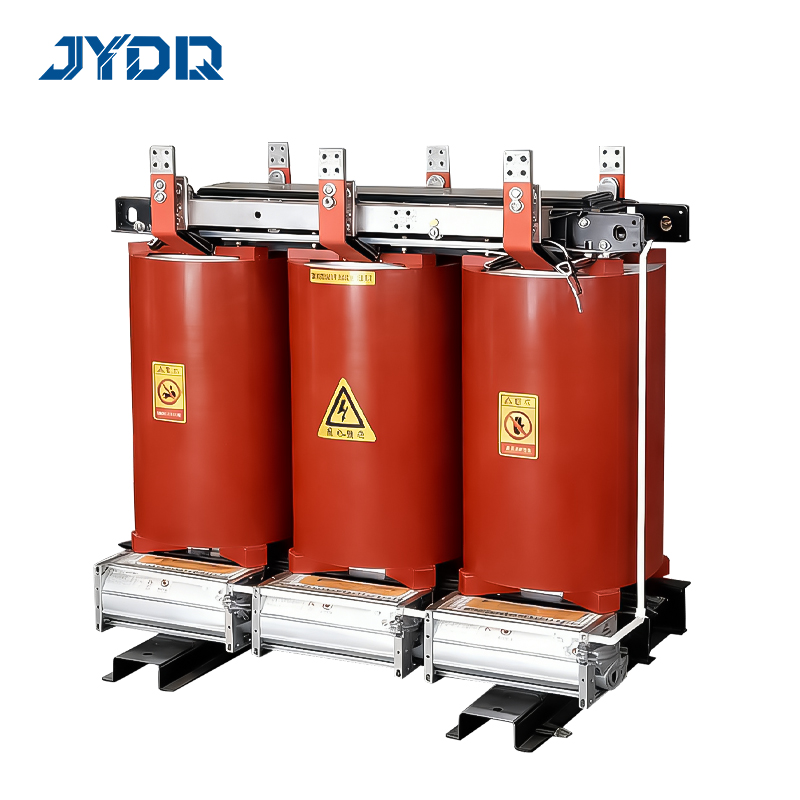
Transformer losses occur in two primary forms: core losses and copper losses. Core losses happen continuously whenever the transformer is energized, regardless of load conditions, while copper losses vary with the current flowing through the windings. These transformer losses accumulate over thousands of operating hours, creating cumulative financial impact that many facility managers underestimate during initial equipment selection. Choosing a high-efficiency dry-type transformer model can reduce both forms of losses, directly lowering your electricity consumption and lifecycle cost.
Understanding Core Losses and Load Losses
How Core Losses Impact Energy Consumption
Core losses, also called no-load losses, represent energy dissipated in the transformer core material itself. These transformer losses occur constantly during the 24/7 operation typical of industrial facilities, even when the transformer carries minimal load. The magnitude of core losses depends on the core material quality, design, and operating voltage. A dry-type transformer with advanced silicon steel cores and optimized magnetic circuit design produces lower core losses than standard designs. Over a year of continuous operation, the cumulative effect of core losses can represent thousands of kilowatt-hours, translating directly into higher energy bills and reduced energy efficiency for your facility.
Load Losses and Their Operational Effect
Load losses, or copper losses, increase with the square of the current passing through the transformer windings. When your dry-type transformer operates at full capacity, load losses become significant, consuming additional electrical energy beyond what is needed for actual power delivery. Energy efficiency improves dramatically when transformer losses are minimized through proper design and material selection. Facilities with variable load profiles experience periods of lower load losses during off-peak hours, but the energy efficiency gains from selecting a low-loss dry-type transformer compound over time. Understanding the relationship between load level and transformer losses helps operators optimize facility efficiency.
Lifecycle Cost Analysis and Total Cost of Ownership
Calculating Lifecycle Cost Beyond Initial Investment
The initial purchase price of a dry-type transformer accounts for only 15 to 25 percent of total ownership cost over a 20 to 30-year operational life. Transformer losses represent the largest ongoing expense, accumulating steadily through electricity consumption. A facility paying $0.10 per kilowatt-hour can lose thousands annually to even moderate transformer losses. By selecting a dry-type transformer with superior energy efficiency, operators achieve payback periods of three to seven years through reduced energy consumption alone. This makes lifecycle cost analysis essential for informed purchasing decisions.
Energy Efficiency Standards and Equipment Selection
Modern energy codes and efficiency standards establish minimum performance thresholds for transformer losses that equipment must meet. Selecting a dry-type transformer that exceeds baseline efficiency standards provides competitive advantage through lower operating costs. Equipment rated at higher efficiency levels typically costs 5 to 15 percent more than minimum-standard models, yet the energy savings justify this premium investment quickly. Facilities tracking sustainability metrics benefit further when energy efficiency improvements reduce their carbon footprint and operational emissions. The relationship between transformer losses and overall facility energy efficiency makes this equipment choice strategically important.
Operational Considerations and Maintenance Impact
Thermal Performance and Operating Environment
Transformer losses manifest primarily as heat generation within the equipment, requiring appropriate cooling and ventilation. A dry-type transformer with higher losses generates more internal heat, reducing its safe operating margin and potentially shortening equipment lifespan. Environmental factors including ambient temperature, ventilation quality, and installation location all influence how effectively the transformer dissipates heat generated by losses. Proper cooling management becomes increasingly critical in warm climates or confined installation spaces. Equipment with lower transformer losses requires less robust cooling infrastructure, reducing auxiliary equipment costs and improving installation flexibility.
Maintenance Requirements and System Reliability
Excessive heat from transformer losses accelerates insulation degradation and component aging, leading to increased maintenance frequency and higher failure risk. A dry-type transformer operated within its thermal design limits experiences slower aging, extended service life, and lower maintenance expense. Facilities experiencing chronic overheating often face premature equipment replacement, emergency service calls, and production disruptions from unexpected failures. Minimizing transformer losses through efficient equipment selection and proper maintenance practices reduces thermal stress and extends equipment reliability. Energy efficiency and equipment longevity become interdependent factors in total cost management.
FAQ
How Much Can Transformer Losses Increase Operating Costs?
Transformer losses typically account for 2 to 5 percent of total facility energy consumption, depending on transformer specifications, load profile, and equipment age. For a facility consuming 10 million kilowatt-hours annually at $0.10 per kilowatt-hour, transformer losses could exceed $50,000 per year. A dry-type transformer with 1 percent lower losses than baseline standards would reduce this cost by approximately $5,000 annually, justified by equipment premium over a reasonable payback period.
What Is the Difference Between Core and Copper Losses?
Core losses occur continuously whenever the dry-type transformer is energized, representing energy dissipated in the core material regardless of load. Copper losses vary with current flow and increase with the square of amperage, meaning they scale dramatically with load increases. Both transformer losses contribute to total energy consumption, but core losses dominate during light-load operation while copper losses become significant during heavy-load periods.
Can Improving Energy Efficiency Reduce Equipment Cooling Requirements?
Yes, selecting a dry-type transformer with lower transformer losses generates less heat, reducing cooling infrastructure requirements and operating costs. A low-loss transformer produces 20 to 30 percent less heat than standard alternatives, potentially eliminating the need for enhanced cooling systems. Energy efficiency improvements create cascading benefits throughout facility infrastructure while reducing overall operational complexity.

 EN