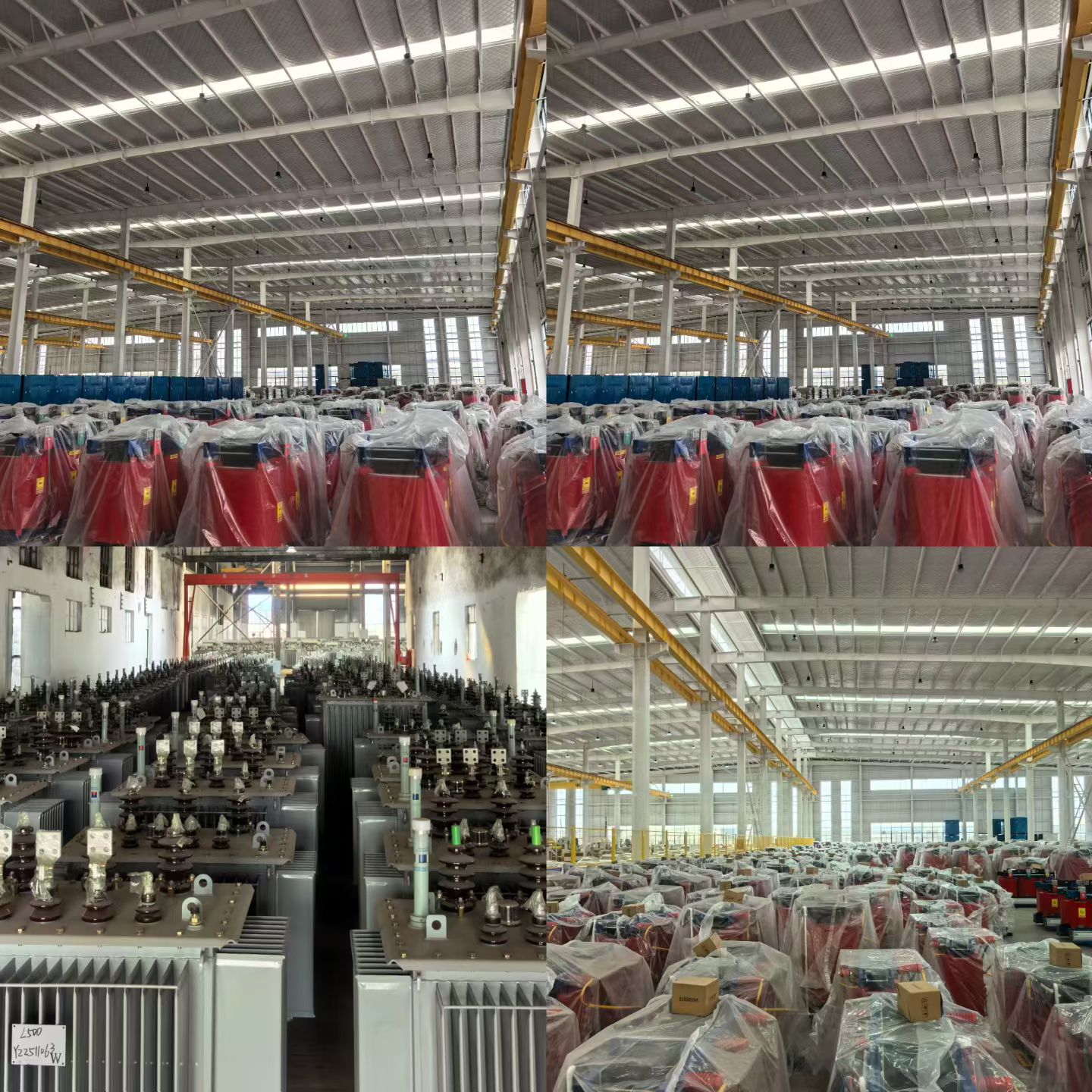
Successful substation projects depend on thorough transformer commissioning procedures that ensure equipment reliability and operational safety. A comprehensive commissioning checklist serves as the foundation for verifying that transformers meet design specifications and perform optimally before connecting to the power grid. Without proper commissioning, transformers risk premature failure, reduced efficiency, and potential safety hazards. This guide provides a detailed transformer commissioning framework that aligns with industry standards and protects your substation investment.
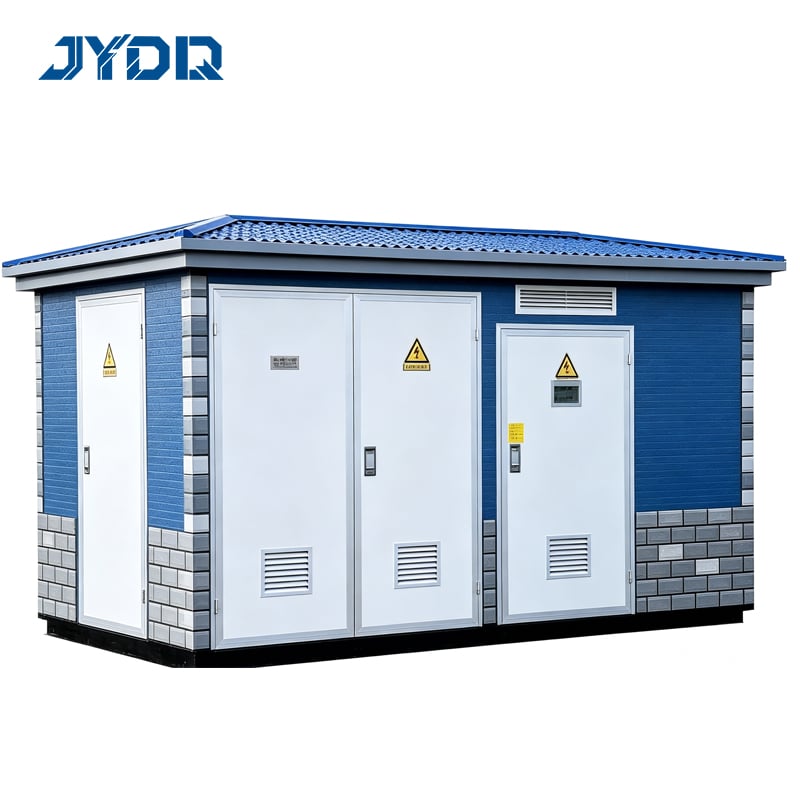
The commissioning process for substation equipment extends beyond simple visual inspection. It encompasses electrical testing, mechanical verification, fluid analysis, and functional validation across all transformer systems. Each phase of the substation commissioning sequence builds upon previous results, creating a systematic approach that identifies defects early and confirms operational readiness. Understanding each step in the inspection checklist helps project teams coordinate resources efficiently and minimize downtime during the critical handover period.
Pre-Commissioning Inspection and Documentation
Receiving and Visual Assessment
When a transformer arrives at the substation site, the inspection checklist begins with comprehensive visual documentation. Examine the transformer exterior for shipping damage, corrosion, or manufacturing defects that may have occurred during transport. Record all visible issues photographically and document serial numbers, nameplate ratings, and manufacturing dates. This initial substation inspection establishes baseline conditions and creates accountability records for any pre-existing damage. Check that all protective equipment, such as caps and covers, remain intact and that no debris has accumulated inside ventilation ports.
Documentation and Compliance Verification
Review all commissioning documentation provided by the manufacturer, including test certificates, material certifications, and factory acceptance reports. Verify that the transformer specifications match the substation design requirements and that all certifications comply with applicable standards. Confirm that inspection records from the manufacturing facility are complete and that any identified concerns were properly remediated. This documentation review phase prevents costly integration issues and ensures that the transformer meets all regulatory requirements before proceeding with energization testing.
Electrical Testing and Performance Verification
Resistance Measurement and Insulation Assessment
Electrical commissioning of substation transformers requires precise resistance and insulation measurements using calibrated equipment. Perform winding resistance tests on all transformer coils to identify manufacturing defects or damage sustained during shipping. Conduct insulation resistance testing using a megohmmeter to detect moisture contamination or manufacturing flaws in the transformer insulation system. Compare all test results against baseline values provided by the manufacturer and document any deviations. These electrical tests form a critical component of any comprehensive inspection checklist and must be completed before applying voltage to the equipment.
Voltage and Load Testing
Applied voltage tests verify that the transformer insulation can withstand rated electrical stress without breakdown. Perform these tests incrementally, monitoring for any electrical discharge or insulation degradation. Load tests confirm that the transformer functions correctly under designed operating conditions and that cooling systems maintain appropriate temperatures. Record all voltage and load test data, comparing results against manufacturer specifications and previous baseline measurements. Successful electrical commissioning demonstrates that the transformer can safely carry current and maintain stable performance under normal substation operating conditions.
Fluid Analysis and Mechanical Systems Verification
Oil Sampling and Quality Analysis
Transformer oil quality directly affects operational longevity and safety, making fluid analysis a cornerstone of the commissioning checklist. Collect oil samples following standardized procedures and submit them for laboratory analysis to measure moisture content, acid value, and dissolved gas concentrations. Identify any contamination or degradation that may have occurred during manufacturing, shipping, or storage. Baseline oil analysis establishes normal chemical signatures that become reference points for future condition monitoring. Poor oil quality identified during commissioning inspection represents grounds for rejection or remediation before substation energization.
Cooling System and Mechanical Component Functionality
Test all cooling fans, pumps, and circulation systems to verify they operate within design parameters during the commissioning phase. Inspect cooling channels and heat exchangers for blockages or manufacturing debris. Verify that temperature sensors and protection relays respond appropriately to simulated fault conditions. Check mechanical components including tap changers, breather systems, and pressure relief mechanisms for proper operation. These substation systems work together to maintain transformer temperature stability, and their verification through the inspection checklist ensures safe operation under peak load conditions.
Integration and Commissioning Closeout
Protective Relay Configuration and Testing
Modern transformers rely on sophisticated protective relay systems to detect faults and prevent equipment damage. During commissioning, configure all relay settings according to substation design parameters and verify that each protection function responds correctly to simulated fault conditions. Test differential protection, overcurrent relays, and temperature monitoring systems individually and in combination. Document relay response times and confirm coordination with other substation protection schemes. Proper relay commissioning ensures that the transformer benefits from layered defense against electrical and thermal stress.
Final System Verification and Documentation
Conclude the commissioning inspection checklist with a final walkthrough verifying that all testing has been completed and documented appropriately. Confirm that any identified defects have been corrected and that retesting confirms resolution. Prepare comprehensive commissioning reports that summarize all testing results, list any deviations from specifications, and document corrective actions. Obtain sign-off from all relevant parties including the transformer manufacturer, testing contractor, and substation owner. This formal closeout establishes clear accountability and confirms that the transformer meets all commissioning requirements before connection to the substation network.
FAQ
What is the primary purpose of a transformer commissioning checklist for substation projects?
The commissioning checklist ensures that transformers meet manufacturing specifications, function correctly under design conditions, and pose no safety risks before grid connection. It systematically verifies electrical performance, insulation integrity, cooling system operation, and protective relay response. This comprehensive inspection checklist prevents equipment failures, reduces operational downtime, and protects both the substation investment and the broader power system.
How does the inspection checklist differ between factory and field commissioning phases?
Factory commissioning focuses on manufacturing verification and baseline data collection before the transformer leaves the facility. Field commissioning at the substation site verifies that the transformer survived transport without damage and performs correctly in its intended operating environment. The substation commissioning inspection checklist incorporates both factory results and new field testing to create a comprehensive performance record that supports reliable long-term operation.
Which electrical tests are most critical in the commissioning process for transformers?
Insulation resistance and winding resistance measurements represent foundational electrical tests that detect manufacturing defects and shipping damage. Applied voltage tests verify insulation withstand capability, while load tests confirm thermal performance and cooling system function. These commissioning tests collectively establish that the transformer can safely carry rated current and maintain stable operation under normal substation conditions, making them essential elements of any inspection checklist.

 EN