A comprehensive vacuum circuit breaker technical specification is fundamental to successful equipment procurement, installation, and operational performance. When developing or evaluating a technical specification for VCB units, organizations must define clear parameters that ensure safety, reliability, and compatibility with existing electrical systems. The technical specification serves as the contractual and technical foundation between equipment designers, manufacturers, procurement teams, and end-users, making precision and completeness essential.
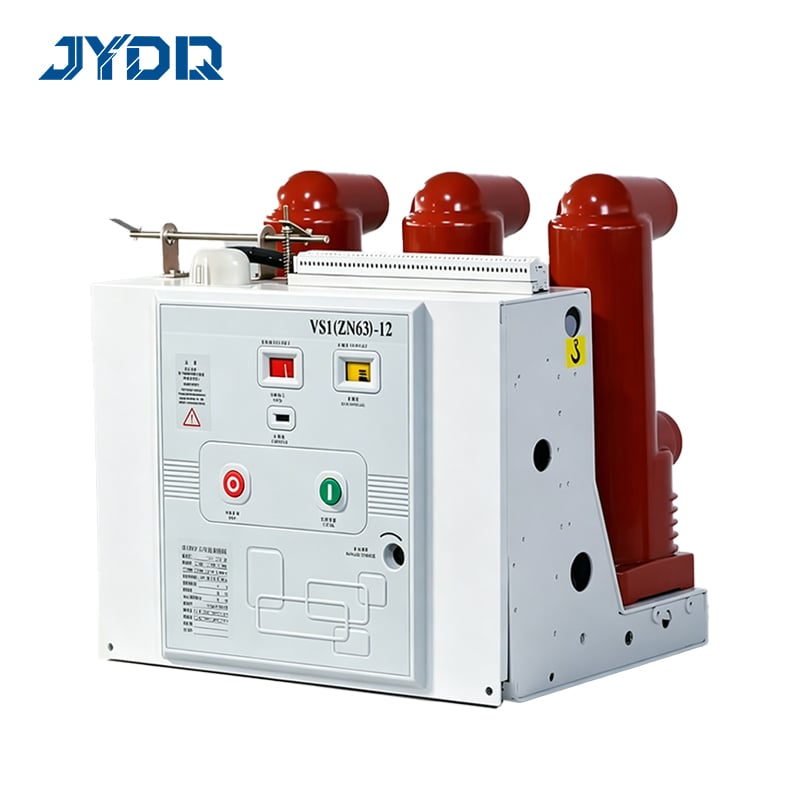
The VCB technical specification must encompass electrical parameters, mechanical characteristics, performance standards, environmental conditions, and compliance requirements. A well-structured specification reduces procurement risk, prevents equipment mismatches, and ensures that selected units meet operational demands. This guide explores the critical components that should be included in every vacuum circuit breaker technical specification to support informed procurement decisions and system reliability.
Electrical Parameters and Performance Ratings
Voltage and Current Classifications
The technical specification must clearly define the system voltage class, rated voltage, and frequency requirements for the vacuum circuit breaker. Standard voltage classifications include 6kV, 10kV, 12kV, 15kV, 20kV, 24kV, and 35kV, each requiring different design considerations. The rated current capacity, typically ranging from 630A to 2500A, must be specified based on expected load profiles and future system expansion. Peak withstand currents and short-circuit ratings are equally critical, as they determine the VCB's ability to safely interrupt fault conditions. The technical specification should reference applicable standards such as IEC 62271-100 or IEEE C37.04 to ensure consistency and safety compliance across procurement activities.
Breaking Capacity and Response Time
Breaking capacity represents the maximum current that a vacuum circuit breaker can safely interrupt at rated voltage. This parameter must be specified in both symmetric and asymmetric amperes, particularly for high-voltage systems where fault currents approach theoretical limits. Response time, measured from fault detection to arc extinction, directly impacts system protection and asset protection. The VCB technical specification should define operating duty cycles, such as O-t-CO cycles, and specify acceptable response times typically under 100 milliseconds. Close-in fault performance and reclosing capability requirements must also be documented to ensure coordination with upstream protection devices and system operational philosophy.
Mechanical Design and Operational Features
Operating Mechanism and Actuation
The technical specification must identify the preferred operating mechanism, whether spring-charged manual, electric motor-driven, or pneumatic. Duty cycle classification affects mechanical reliability and maintenance scheduling; therefore, the specification should clarify whether normal duty, heavy duty, or frequent switching applications apply. For vacuum circuit breaker units requiring remote operation or automatic control, the technical specification must define control voltage supply, signal interfaces, and safety interlocks. Manual override capabilities, emergency stopping functions, and key-lock provisions should be explicitly stated to match operational procedures and safety protocols. The specification should also address coil specifications for electric actuators, including voltage ratings, power consumption, and response characteristics.
Structural and Installation Requirements
Physical dimensions, mounting orientation, and weight specifications ensure proper equipment fit within existing substations or control centers. The VCB technical specification must define whether indoor or outdoor installation is required, as this affects material selection and enclosure rating. Busbar configuration, cable connection methods, and grounding provisions must be clearly specified to facilitate on-site assembly and commissioning. Space requirements for maintenance, including door swing clearance and service access, prevent installation conflicts. The technical specification should also address foundation requirements, vibration limits during fault conditions, and structural load ratings to ensure safe and reliable mounting on substation structures.
Environmental Conditions and Compliance Standards
Operating Environment and Durability
The technical specification must define ambient temperature ranges, humidity limits, and altitude ratings for the vacuum circuit breaker installation site. Corrosive environment classifications, such as coastal salt spray or industrial chemical exposure, dictate material upgrades and surface treatments. Seismic and wind load requirements in geographically sensitive regions must be documented to ensure structural integrity during natural events. UV exposure tolerance, moisture ingress protection ratings, and thermal cycling performance all influence long-term reliability and maintenance intervals. The VCB technical specification should reference relevant environmental standards such as IEC 60068 series to establish clear testing and qualification criteria that align with actual site conditions.
Regulatory Compliance and Certification
Procurement specifications must mandate compliance with applicable regional and international standards, including IEC, IEEE, ANSI, and national electrical codes. Fire safety classifications, explosion-proof requirements if applicable, and environmental compliance certifications must be explicitly required. The technical specification should request third-party testing reports, certificates of conformance, and traceability documentation for critical components. Warranty provisions, spare parts availability, and technical support requirements must be included to ensure long-term procurement and operational success. Verification protocols, such as type tests, factory acceptance tests, and site acceptance tests, should be defined to confirm that delivered equipment meets all technical specification requirements.
FAQ
What are the most critical parameters in a vacuum circuit breaker technical specification?
The most critical parameters include rated voltage and frequency, breaking capacity, rated current, operating duty cycle, control voltage supply requirements, and compliance standards. These parameters determine system compatibility, protection performance, and operational safety. Environmental ratings, seismic requirements, and maintenance intervals are equally important for ensuring reliable long-term service and preventing premature failures or unexpected outages.
How does VCB procurement benefit from a detailed technical specification?
A detailed technical specification enables transparent competitive bidding, reduces equipment rejection rates, minimizes on-site commissioning delays, and ensures consistent quality across multiple units. The specification creates clear accountability between suppliers and end-users, reducing disputes and warranty claims. It also facilitates effective maintenance planning and spare parts management by establishing precise performance requirements and operational parameters that guide lifecycle management decisions.
Should the technical specification include performance testing requirements?
Yes, the technical specification should define specific testing protocols, acceptance criteria, and documentation requirements. Factory acceptance tests verify manufacturing quality before shipment, while site acceptance tests confirm performance under actual operating conditions. Type tests, conducted by independent laboratories, validate design compliance with applicable standards and provide confidence that the vacuum circuit breaker will perform reliably throughout its service life. These testing requirements protect procurement investments and ensure system safety.

 EN