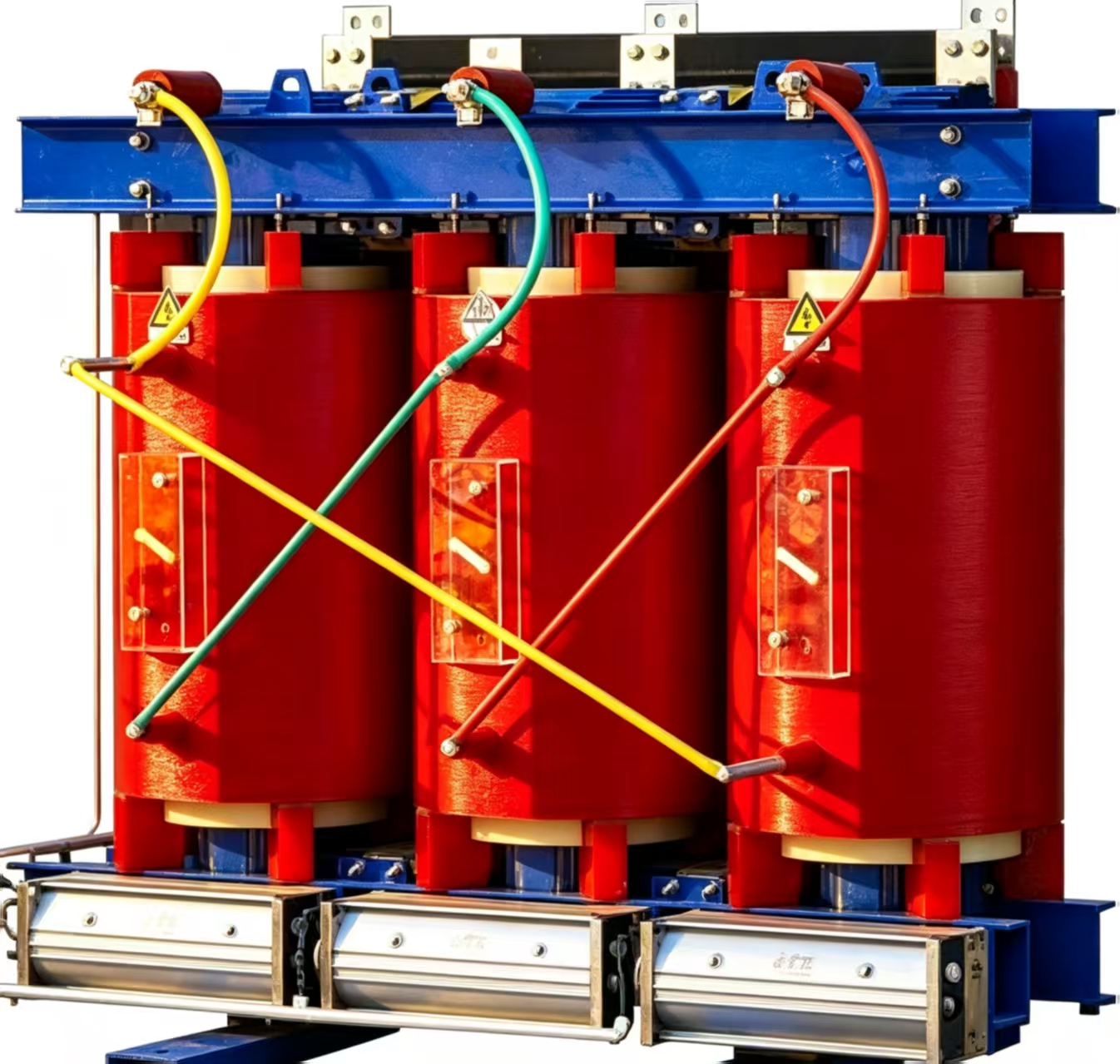
Short-circuit withstand capability is one of the most critical performance specifications for any dry type transformer project. When electrical faults occur in industrial power systems, the transformer must survive the intense thermal and mechanical stresses without permanent damage. Understanding why this capability matters is essential for engineers, facility managers, and procurement teams who design or operate power distribution networks. A properly rated dry type transformer protects equipment downstream, reduces unplanned downtime, and ensures regulatory compliance across critical applications.
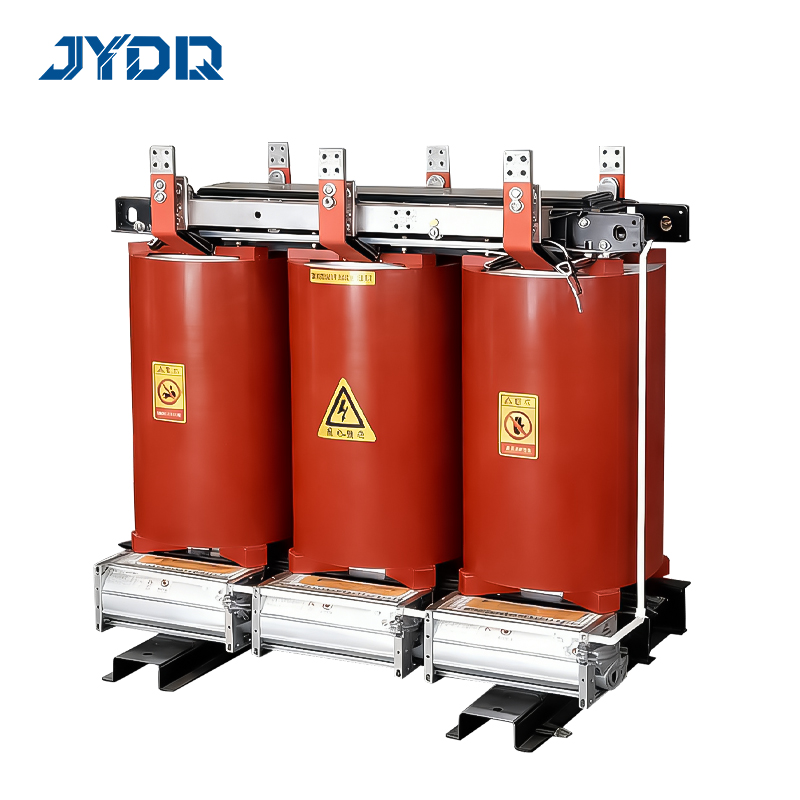
A system fault creates conditions far beyond normal operating parameters. When a short circuit occurs, fault current can spike to many times the nominal rating within milliseconds. The mechanical forces generated by this surge can physically deform windings, separate insulation layers, and damage conductor connections if the transformer design does not account for these extreme stresses. This is why transformer design standards explicitly address short circuit withstand ratings, and why selecting a unit rated for your specific system fault levels is non-negotiable in industrial environments.
Understanding System Fault Severity and Transformer Stress
How Short Circuit Events Impact Transformer Components
During a system fault, the magnetic field intensifies dramatically inside the transformer core and windings. The primary and secondary windings experience radial outward forces and axial compression forces simultaneously. For a dry type transformer operating in industrial settings, these forces can reach thousands of pounds per square inch if the short circuit level is high. The cast resin insulation system, conductor materials, and internal support structures must all be engineered to absorb and dissipate this energy without rupture, cracking, or permanent deformation.
Thermal effects compound the mechanical stress. Short circuit current generates I²R heating in the windings at a rate proportional to the fault duration and magnitude. A dry type transformer with inadequate short circuit withstand capability may experience conductor overheating, insulation degradation, or even winding failure within seconds. The transformer design must balance thermal mass, cooling surface area, and conductor cross-section to handle peak fault temperatures until protective devices isolate the fault.
Why Standard Ratings and System Coordination Matter
Industrial facilities operate under specific fault levels determined by utility supply capacity and system configuration. Transformer design ratings must align with these actual system fault levels. If you specify a dry type transformer rated for a lower short circuit capacity than your system can deliver, the unit will fail catastrophically during a real fault. Conversely, over-specifying transformer short circuit withstand capability adds unnecessary cost and weight. Accurate system fault analysis ensures you select equipment that provides reliable protection and cost-effective performance.
Practical Design Considerations for Dry Type Transformers
Cast Resin Technology and Fault Resilience
Cast resin dry type transformers offer inherent advantages for short circuit withstand. The solid resin matrix surrounding the windings provides mechanical restraint, dampening radial expansion and axial movement during a fault event. Unlike oil-filled designs that allow winding movement within liquid, the rigid cast resin structure prevents dangerous winding displacement. This monolithic construction also enhances thermal conductivity, allowing faster heat dissipation after a short circuit stress. When evaluating transformer design options for high-fault environments, cast resin technology delivers both mechanical and thermal benefits that oil-insulated units cannot match.
The winding conductor design directly influences short circuit performance. Larger conductor cross-sections reduce resistive heating during fault current flow, improving thermal margin. Reinforced insulation wrapping and enhanced turn-to-turn insulation spacing increase dielectric strength under the intense electrical stresses generated by system faults. Transformer design engineers optimize these parameters based on the specific short circuit withstand rating required, ensuring the unit can sustain the mechanical and thermal peak without degradation.
Integration with System Protection and Coordination
A dry type transformer must work within a coordinated protection scheme. Overcurrent relays, fuses, and circuit breakers upstream and downstream of the transformer must operate correctly to clear faults before damage occurs. The transformer design contributes to this coordination by withstanding the peak fault current for the clearing time of the fastest protective device. If protection operates in less than one cycle, short circuit withstand requirements are less stringent. If clearing takes longer due to backup protection coordination, the transformer must be rated higher. Understanding your facility's protection strategy is essential when specifying transformer short circuit withstand capability.
Regulatory Requirements and Long-Term Asset Management
Standards Compliance and Certification
International standards such as IEC 60076 and IEEE C57.12.01 define short circuit withstand testing procedures and minimum performance levels for transformer design. These standards specify test voltages, current magnitudes, and duration to validate that a dry type transformer can survive realistic system faults. Manufacturers must prove compliance through independent testing and certification. Specifying a transformer with proper standards certification ensures the unit meets proven safety and performance criteria. Facilities relying on transformers for critical operations should always verify that equipment carries appropriate certifications from recognized laboratories.
Total Cost of Ownership and Fault Prevention
Selecting a dry type transformer with adequate short circuit withstand capability extends equipment life and reduces total cost of ownership. A transformer that survives a system fault without catastrophic damage can often be restored to service through inspection and minor maintenance. An undersized unit will require complete replacement, causing extended downtime and substantial capital expenditure. Additionally, a failed transformer in a critical facility can trigger cascading outages affecting production lines, data centers, or essential services. The upfront investment in proper short circuit withstand capability pays dividends through improved reliability and reduced emergency replacement costs.
FAQ
What determines the short circuit withstand rating of a dry type transformer?
The transformer design parameters that drive short circuit withstand capability include conductor size and material, insulation system thickness and composition, winding mechanical reinforcement, core structure, and cooling efficiency. Manufacturers also consider the system fault level for which the unit is rated. Testing procedures validate that the transformer can survive the combined mechanical and thermal stresses generated by a specific peak fault current for the expected clearing time. Proper transformer design balances these factors to achieve the required short circuit withstand level economically.
How do I determine the system fault level for my facility?
System fault calculations require analysis of the utility supply capacity, transformer impedance, and downstream circuit configurations. Utilities typically provide available fault current at the point of service. Electrical engineers use this information to calculate fault levels throughout the facility using established formulas and software tools. Once you know the maximum system fault level expected at the transformer location, you can specify a dry type transformer with a short circuit withstand rating that exceeds this value, providing a safety margin. Consulting with a qualified electrical engineer ensures accurate system fault assessment.
Can a dry type transformer be upgraded to handle higher short circuit levels?
Short circuit withstand capability is determined during transformer design and manufacturing. Once a dry type transformer is built, its mechanical and thermal limits are fixed. Upgrading or retrofitting an existing unit to withstand higher short circuit levels is not practical and generally not possible. If system conditions change or fault levels increase due to facility expansion, the appropriate response is to specify and install a new transformer with a higher short circuit withstand rating. This ensures continued safety and regulatory compliance throughout the system's operating life.

 EN