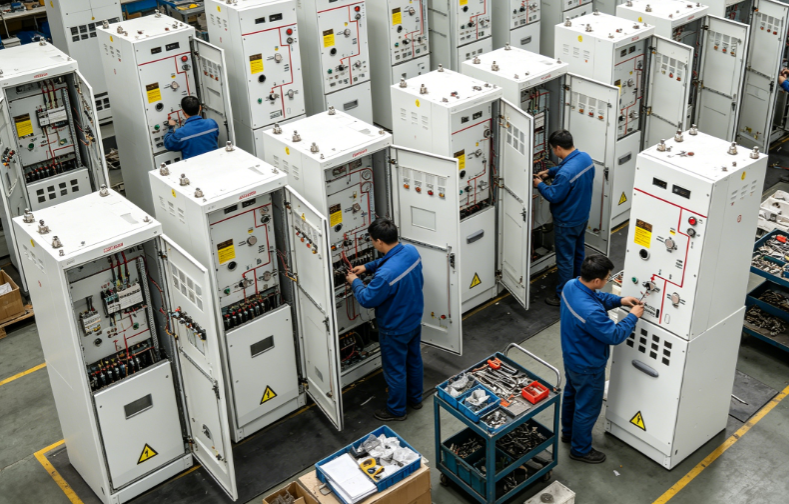
Choosing between air insulated switchgear AIS and gas-insulated switchgear (GIS) remains one of the most critical decisions for electrical infrastructure projects. Both technologies serve essential roles in power distribution, but they differ significantly in design, operation, maintenance, cost, and environmental impact. Understanding these differences helps buyers make informed decisions aligned with their specific operational, budgetary, and environmental requirements.
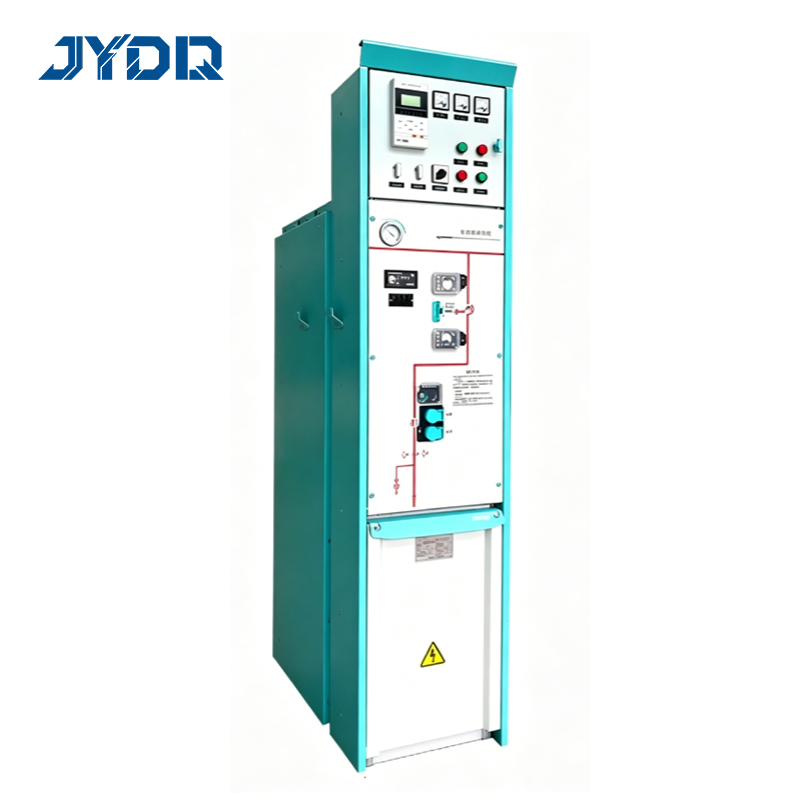
The switchgear comparison process requires examining multiple technical, economic, and operational factors. Both air insulated switchgear ais and GIS solutions deliver reliable performance, yet their strengths apply to different deployment scenarios. This guide outlines the primary comparison criteria to help you evaluate which technology best fits your facility's needs.
Physical Space and Installation Requirements
Footprint and Building Design
Air insulated switchgear AIS requires significantly more physical space than GIS systems. A typical AIS installation demands expanded switchrooms with adequate clearance for equipment access, maintenance, and operational safety. The switchgear comparison becomes immediately apparent when analyzing available real estate, especially in urban facilities or retrofitted locations where space constraints exist.
GIS technology compresses the same functional components into a compact, sealed metal-enclosed design, making it ideal for space-limited applications. Dense urban substations, underground installations, and retrofit projects often favor GIS due to this space efficiency. For buyers planning new construction, AIS remains viable if adequate building footprint exists, but space-starved environments demand GIS solutions to remain practical.
Installation Complexity and Timeline
Air insulated switchgear AIS installations follow simpler assembly procedures and shorter timelines compared to GIS. Field assembly requires less specialized equipment and fewer trained technicians, reducing installation costs and project duration. The switchgear comparison process often reveals lower implementation barriers for AIS in straightforward applications.
GIS installations demand higher technical expertise, specialized tools, and rigorous environmental controls during assembly and commissioning. On-site assembly of gas-insulated equipment requires certified personnel and clean-room protocols to maintain insulation quality. While this complexity increases initial project costs, long-term operational benefits often justify the investment for critical applications.
Operational Performance and Environmental Considerations
Insulation Medium and Environmental Impact
Air insulated switchgear AIS relies on atmospheric air as its insulation medium, making it inherently environmentally benign. GIS systems employ sulfur hexafluoride (SF6) gas, a potent greenhouse gas regulated under international environmental protocols. The switchgear comparison increasingly incorporates sustainability metrics as regulatory frameworks tighten globally.
Organizations with strict environmental compliance requirements must weigh GIS performance benefits against SF6 emissions. Modern GIS designs minimize SF6 leakage through advanced sealing and monitoring systems, but residual environmental concerns persist. Air insulated switchgear AIS presents zero insulation-related environmental impact, supporting carbon-neutral and ESG-focused facility objectives.
Maintenance Requirements and Lifecycle Cost
Air insulated switchgear AIS demands routine maintenance including periodic inspections, cleaning, and component lubrication. Operating in open-air environments exposes AIS to dust, moisture, and atmospheric contaminants, necessitating preventive maintenance schedules. These ongoing labor and materials costs accumulate throughout the equipment's operational lifespan.
GIS technology minimizes maintenance burden due to its sealed, protected construction. The internal environment remains controlled and isolated from external contaminants, extending component life and reducing service interventions. The switchgear comparison analysis must balance lower AIS acquisition costs against GIS operational efficiency and reduced lifetime maintenance expenses.
Reliability, Performance, and Technical Capabilities
Fault Clearance and Arc Containment
Both technologies deliver reliable fault clearing, but their mechanisms differ substantially. Air insulated switchgear AIS relies on air dielectric breakdown and mechanical arc interruption, proven effective across decades of deployment. GIS systems employ SF6 gas superior arc-extinguishing properties, enabling faster fault clearing and superior arc containment characteristics.
The switchgear comparison reveals GIS advantages in high-fault-current environments where rapid arc suppression prevents damage escalation. Heavy-load industrial facilities, power generation stations, and transmission substations benefit from GIS's enhanced fault-handling capacity. Air insulated switchgear AIS remains adequate for moderate fault-current applications in distribution networks and industrial complexes.
Service Reliability and Operational Continuity
Air insulated switchgear AIS demonstrates excellent long-term reliability with proper maintenance discipline. Historical performance data across diverse climates and operating conditions confirms AIS robustness. However, environmental factors including salt spray, industrial pollution, and extreme temperatures can accelerate component degradation without protective measures.
GIS provides enhanced environmental immunity due to sealed-tank construction, making it superior for harsh coastal, industrial, or high-altitude locations. The switchgear comparison increasingly favors GIS in challenging environments where atmospheric exposure threatens AIS longevity. This environmental resilience supports higher service availability and extended equipment lifespan in adverse conditions.
Cost Analysis and Financial Decision Factors
Initial Capital Expenditure
Air insulated switchgear AIS typically carries lower initial purchase prices compared to equivalent GIS installations. Simpler manufacturing, smaller shipping volumes, and established supply chains support competitive AIS pricing. For budget-conscious buyers and routine distribution applications, AIS cost advantage proves decisive during capital allocation decisions.
GIS technology commands premium pricing due to specialized manufacturing, stringent quality controls, and advanced engineering. The switchgear comparison reveals GIS costs typically 40 to 60 percent higher than AIS for comparable voltage and current ratings. However, this upfront investment difference must be evaluated against operational savings and performance benefits across the system lifespan.
Total Cost of Ownership
Calculating true total cost of ownership requires analysis extending beyond initial purchase prices. Air insulated switchgear AIS ongoing maintenance, environmental controls, and periodic component replacement contribute substantially to lifetime costs. Space rental for oversized switchrooms further increases AIS ownership expenses in urban or land-constrained facilities.
GIS systems reduce operational expenses through minimal maintenance requirements, extended component intervals, and compact space utilization. Lower maintenance labor, reduced spare parts inventory, and eliminated environmental control systems offset GIS's higher capital cost. The switchgear comparison from a financial perspective increasingly favors GIS in applications where total cost of ownership matters more than initial expenditure.
FAQ
What makes air insulated switchgear AIS suitable for specific applications?
Air insulated switchgear AIS excels in applications with adequate space, moderate fault currents, and lower environmental sensitivity. Distribution networks, industrial facilities with standard climate conditions, and retrofit projects where cost constraints exist remain appropriate AIS domains. AIS also suits organizations prioritizing zero environmental emissions and simpler maintenance procedures.
How does the switchgear comparison process address environmental compliance?
The switchgear comparison must include analysis of SF6 emissions regulations, corporate sustainability targets, and evolving environmental frameworks. GIS systems require SF6 management protocols and leak detection systems to maintain regulatory compliance. Air insulated switchgear AIS eliminates these environmental concerns, supporting ESG initiatives and future-proofing against tightening emissions regulations.
Which technology offers better long-term value for critical power applications?
GIS typically delivers superior long-term value for mission-critical applications where reliability, environmental resilience, and minimal downtime justify higher capital investment. The switchgear comparison favors GIS in utility networks, data centers, and industrial facilities where service interruption poses unacceptable business risk. Air insulated switchgear AIS remains cost-effective for non-critical distribution where occasional maintenance can be accommodated.

 EN