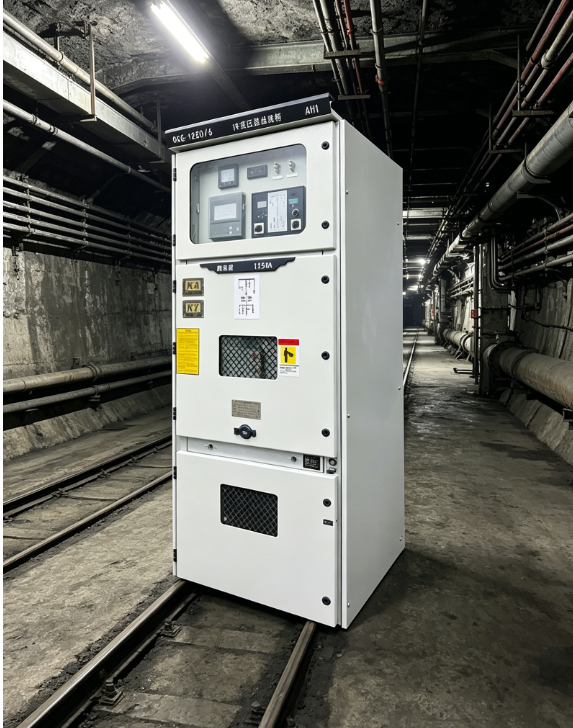
Selecting the right configuration for your electrical infrastructure is one of the most critical decisions in substation design and industrial projects. When evaluating high voltage switchgear solutions, you will encounter two fundamental design philosophies: fixed switchgear installations and withdrawable switchgear systems. Each approach offers distinct advantages and trade-offs that directly impact your project timeline, budget, maintenance strategy, and operational flexibility. Understanding these differences is essential for making an informed decision that aligns with your specific operational and financial objectives.
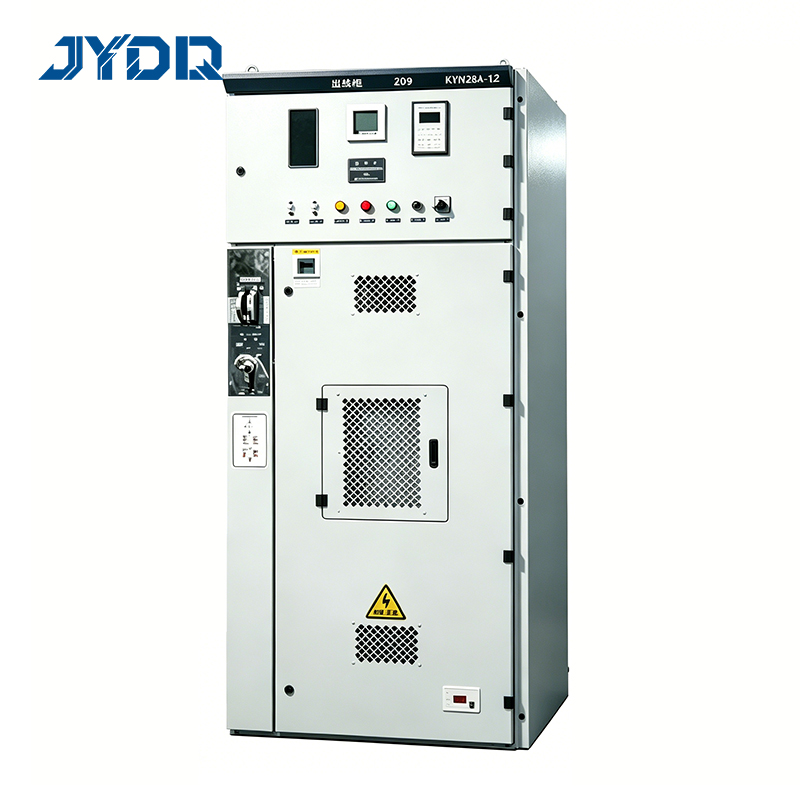
The choice between fixed switchgear and withdrawable designs involves considering initial capital expenditure, space constraints, maintenance accessibility, upgrade potential, and the specific demands of your electrical network. Fixed switchgear remains permanently mounted within the switchboard structure, offering a simpler, more compact, and generally less expensive installation. Withdrawable configurations, by contrast, allow components to be physically removed and replaced without dismantling the entire switchboard frame. Both technologies serve critical roles in power distribution, but their suitability depends entirely on your project parameters, facility constraints, and long-term operational strategy.
Understanding Fixed Switchgear Architecture and Benefits
Core Design Principles of Fixed Switchgear
Fixed switchgear represents the traditional approach to high voltage switchgear construction, where all switching components, circuit breakers, insulators, and busbars are permanently integrated into a solid structural frame. This monolithic design eliminates the need for sliding mechanisms, carriage systems, or modular compartments. The fixed switchgear configuration reduces manufacturing complexity and material requirements, which directly translates to lower acquisition costs compared to withdrawable alternatives. The absence of moving parts and specialized engagement systems means fewer potential failure points and reduced maintenance complexity during normal operation.
Cost Efficiency and Space Optimization
Budget considerations often drive initial equipment selection, and fixed switchgear delivers significant cost advantages. Because fixed switchgear eliminates the precision-engineered carriage systems, guide rails, and disconnection interfaces required by withdrawable designs, the manufacturing overhead and component count decrease substantially. For facilities with moderate space availability and standard replacement cycles, fixed switchgear provides excellent value. Installation footprints are also more compact than withdrawable systems, making fixed switchgear ideal for retrofit projects where panel dimensions are restricted or for new facilities seeking to minimize the overall electrical room footprint.
Withdrawable Switchgear: Flexibility and Maintenance Advantages
Modular Design and Hot-Work Capability
Withdrawable switchgear introduces modular architecture where individual circuit breaker units mount on mobile carriages capable of sliding into and out of a fixed switchboard frame. This withdrawal design enables maintenance teams to remove faulty components without de-energizing the entire switchboard, a capability known as hot-work maintenance. For critical infrastructure operations that cannot tolerate extended downtime, withdrawable configurations represent a significant operational advantage. The ability to swap components quickly reduces emergency response times, maintains continuous service availability, and minimizes production losses in industrial facilities dependent on uninterrupted power supply.
Future-Proofing and Upgrade Flexibility
Withdrawable high voltage switchgear accommodates technology evolution and capacity upgrades more seamlessly than fixed alternatives. As your facility grows or electrical demands increase, withdrawable designs allow you to replace or upgrade individual circuit breaker units while retaining the existing switchboard frame structure. This modularity reduces replacement costs for capacity expansion and extends the useful life of your switchboard infrastructure. Industries experiencing growth or facing uncertain future electrical loads benefit substantially from this flexibility. Additionally, withdrawable configurations simplify troubleshooting because technicians can remove suspect components for bench testing and diagnosis without affecting the broader electrical system.
Comparative Analysis: Making the Right Choice
Evaluating Maintenance Requirements and Operational Context
The maintenance philosophy embedded in your facility directly influences whether fixed switchgear or withdrawable systems make sense. If your operations tolerate brief maintenance windows during scheduled shutdowns, fixed switchgear provides reliable performance with minimal ongoing complexity. Conversely, facilities operating mission-critical infrastructure, such as hospitals, data centers, or continuous manufacturing operations, find withdrawable switchgear essential because the ability to perform maintenance without total shutdown prevents catastrophic business interruption. Training requirements also differ; withdrawable equipment demands higher technician skill levels and more frequent maintenance procedures, while fixed switchgear requires less specialized expertise during routine service.
Lifespan, Reliability, and Total Cost of Ownership
Initial purchase price represents only a portion of true ownership cost. Fixed switchgear typically delivers lower total cost of ownership in applications where operational downtime is acceptable and equipment replacement follows standard end-of-life cycles. The simpler fixed switchgear design means fewer components prone to mechanical wear, potentially extending intervals between major overhauls. However, withdrawable systems justify higher upfront costs through operational resilience and reduced emergency maintenance expenses in critical applications. When unexpected failures occur in fixed switchgear, replacement involves substantial lead times and comprehensive switchboard removal. Withdrawable configurations allow rapid component substitution, minimizing the financial impact of equipment failure. For facilities where preventing unplanned outages carries high economic value, withdrawable switchgear's total cost of ownership often proves lower despite higher initial investment.
FAQ
What are the main differences between fixed switchgear and withdrawable design?
Fixed switchgear has components permanently mounted in the switchboard frame, offering lower cost and simpler maintenance procedures. Withdrawable switchgear features modular components on carriages that slide out for replacement or service without shutting down the entire system. Withdrawable designs enable hot-work maintenance and accommodate future upgrades, while fixed switchgear provides compact installation and reduced manufacturing complexity.
Which high voltage switchgear configuration is more cost-effective for industrial facilities?
Fixed switchgear generally offers lower initial acquisition costs due to simpler manufacturing and reduced component complexity. However, for facilities where operational downtime carries significant financial penalties, withdrawable switchgear may deliver superior total cost of ownership by preventing expensive emergency shutdowns. Your specific operational requirements and downtime tolerance determine which configuration provides better economic value over the equipment lifecycle.
Can withdrawable switchgear be retrofitted into existing installations with fixed switchgear frameworks?
Retrofitting withdrawable systems into fixed switchgear installations is technically possible but typically requires significant structural modifications, reengineering of busbars and connections, and testing. In most cases, it proves more practical and economical to replace the entire fixed switchgear system with a new withdrawable configuration. Consult with your equipment manufacturer and electrical engineer to evaluate retrofit feasibility and cost implications for your specific installation.

 EN