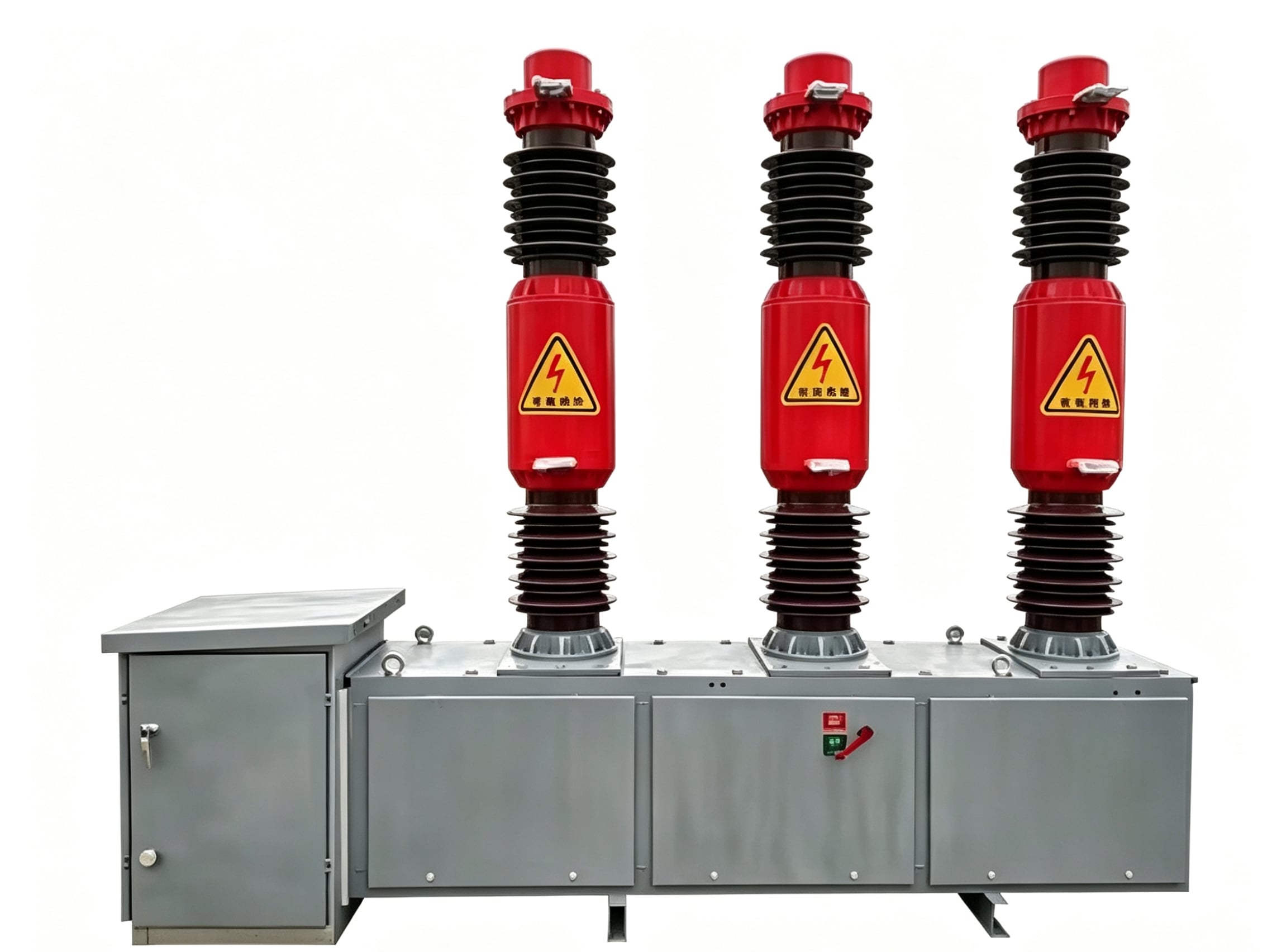
Vacuum circuit breakers are critical protective devices in electrical distribution systems, and their reliable operation depends heavily on a structured inspection program. Understanding how often these components require attention is essential for any facility manager or electrical engineer responsible for medium-voltage equipment. The inspection interval for vacuum circuit breakers directly impacts safety, equipment longevity, and system reliability.
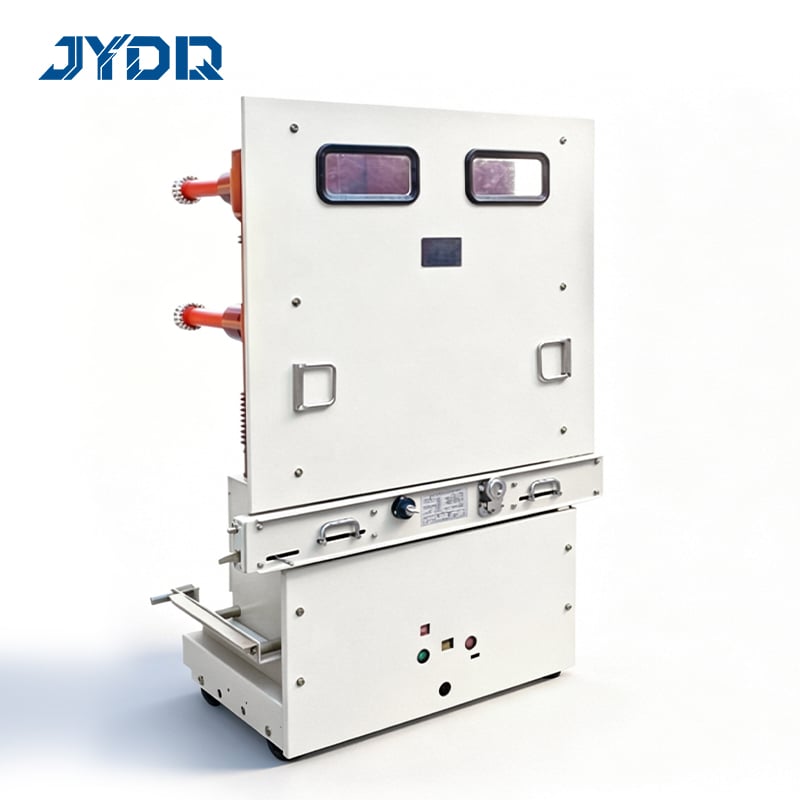
The maintenance requirements for VCB equipment vary based on operating conditions, environmental factors, and manufacturer specifications. A comprehensive inspection interval strategy ensures that your vacuum circuit breakers remain within design parameters and respond correctly during fault conditions. Regular monitoring can detect emerging issues before they escalate into costly failures or safety hazards.
Standard Inspection Intervals for Vacuum Circuit Breakers
Annual Inspection Requirements
Most manufacturers recommend that vacuum circuit breakers undergo a basic visual inspection at least once per year. This annual maintenance check involves examining the external condition of the breaker, verifying that all connections remain tight, and confirming that there are no signs of damage or deterioration. For standard industrial applications operating under normal load conditions, this annual inspection interval provides adequate oversight for detecting obvious problems.
The annual inspection interval also includes checking the operation of mechanical indicators and testing the trip mechanism to ensure proper responsiveness. Environmental factors such as temperature, humidity, and dust exposure influence how frequently you should conduct these routine checks. Facilities in harsh environments may need to increase the inspection frequency beyond the standard annual interval to maintain equipment integrity.
Extended Inspection Schedules
For installations with light loads and favorable operating conditions, some facilities extend their VCB inspection intervals to every 18 or 24 months. This extended maintenance schedule is only appropriate when historical data shows consistent reliable performance and when environmental conditions remain stable. However, any deviation from expected operating parameters should prompt an immediate return to the standard annual inspection interval.
Maintenance Protocols and Condition Assessment
Preventive Maintenance Activities
Effective maintenance for vacuum circuit breakers extends beyond simple visual checks and includes functional testing of the switching mechanism. During each inspection interval, technicians should verify contact pressure, measure contact resistance, and confirm proper arc quenching performance. Thermographic imaging can reveal hot spots indicating contact degradation or connection problems that standard visual inspection might miss.
Maintenance protocols should include detailed documentation of all findings from each inspection interval to establish baseline performance data. Recording temperature readings, resistance measurements, and any operational anomalies helps maintenance teams identify trends and predict potential failures before they occur. This data-driven approach to VCB maintenance reduces unplanned downtime and extends equipment service life significantly.
Condition Monitoring and Diagnostic Testing
Advanced diagnostic equipment allows technicians to assess the actual condition of vacuum circuit breakers between scheduled inspection intervals. Partial discharge testing and gas analysis can reveal internal degradation that visual examination cannot detect. For mission-critical applications, condition-based monitoring replaces fixed inspection intervals by using continuous data to determine when service is actually needed.
Modern facilities increasingly employ online monitoring systems that track VCB performance continuously. These systems measure operating temperature, count switching cycles, and monitor for abnormal electrical signatures. When data indicates degradation, maintenance can be scheduled proactively before failure occurs, optimizing both safety and operational efficiency.
Factors Influencing Inspection Frequency
Environmental and Operational Conditions
The appropriate inspection interval for vacuum circuit breakers depends on multiple operational and environmental variables. High-altitude installations, aggressive industrial environments, or locations with significant temperature fluctuations may require more frequent maintenance checks. Facilities with frequent switching operations or regular fault clearing activity should evaluate more aggressive inspection intervals than those in stable, low-activity environments.
Humidity, salt spray, corrosive gases, and particulate contamination all accelerate degradation of VCB components. Coastal installations and petrochemical facilities often implement inspection intervals as frequent as quarterly or bi-annually for critical equipment. Understanding your specific environmental context is crucial for establishing a maintenance schedule that truly protects your vacuum circuit breakers.
Equipment Age and Historical Performance
Older vacuum circuit breakers typically require more frequent inspection intervals than newer models, particularly if they approach or exceed their design lifespan. Historical maintenance records provide valuable insight into whether your VCB maintenance schedule should be adjusted upward or downward. Equipment that has experienced multiple fault events, repairs, or component replacements warrants increased monitoring frequency regardless of age.
Manufacturer guidelines should form the foundation of any inspection interval strategy, but real-world operating experience often reveals the need for customization. Tracking maintenance history helps identify patterns that inform whether current inspection intervals are appropriate or require adjustment. A well-maintained vacuum circuit breaker with consistently good diagnostic results may support longer intervals, while deteriorating trends demand more frequent attention.
FAQ
What is the typical inspection interval for vacuum circuit breakers in industrial settings?
The standard inspection interval for vacuum circuit breakers in most industrial applications is annually. However, the specific maintenance schedule should account for operating conditions, environmental exposure, and equipment age. Some facilities with favorable operating environments may extend intervals to every 18–24 months, while others in harsh conditions may implement semi-annual or quarterly inspections.
How does condition monitoring change the VCB inspection interval strategy?
Condition-based monitoring systems allow facilities to move away from fixed inspection intervals toward predictive maintenance models. Rather than inspecting on a calendar schedule, technicians perform maintenance when diagnostic data indicates actual degradation. This approach optimizes both cost and reliability by eliminating unnecessary inspections while catching problems before failure occurs. Online monitoring can detect changes in temperature, vibration, and electrical signatures that inform maintenance timing more precisely than periodic checks alone.
What factors should trigger more frequent inspection intervals for vacuum circuit breakers?
Several conditions warrant increasing your VCB inspection interval beyond the standard annual schedule. High fault current duty, frequent switching operations, harsh environmental conditions, high altitude, corrosive atmospheres, and historical performance issues all suggest more aggressive maintenance. Additionally, any unusual behavior, failed diagnostic test results, or approaching equipment end-of-life should prompt increased monitoring frequency to prevent unexpected failures in critical systems.

 EN