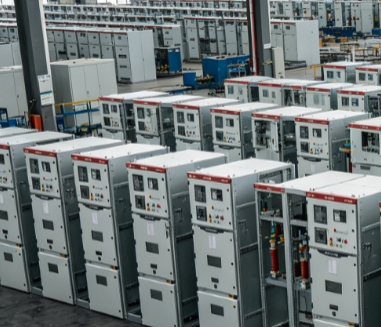
Overheating in a low voltage distribution panel represents a critical operational risk that demands immediate attention from facility managers, electrical engineers, and maintenance teams. Temperature rise within these essential electrical components can trigger equipment failure, operational downtime, safety hazards, and costly emergency repairs. Understanding the root causes of overheating enables organizations to implement preventive measures before thermal issues escalate into system failures or safety incidents.
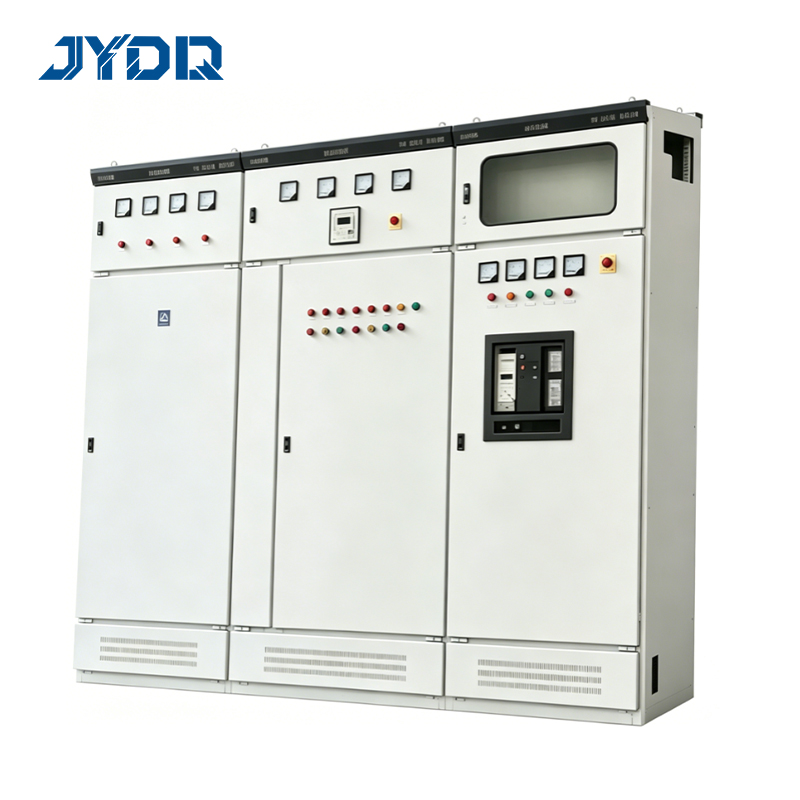
A low voltage distribution panel serves as the central hub for power distribution across industrial, commercial, and institutional facilities. These panels contain busbars, circuit breakers, metering equipment, and protective devices that regulate electrical flow to downstream loads. When thermal buildup occurs within the panel enclosure, the underlying causes typically trace back to electrical resistance, inadequate cooling, or component degradation. Identifying these causes quickly protects both equipment investment and workplace safety.
Loose Connection and Electrical Resistance
How Loose Connections Generate Heat
A loose connection represents one of the most common causes of overheating in a low voltage distribution panel. When terminal screws, bolts, or crimped connections gradually loosen due to vibration, thermal cycling, or improper initial installation, contact resistance increases dramatically. This elevated resistance forces electrical current to work harder, converting excess energy into heat. Even a partially loose connection on a high-current busbar can raise local temperatures by tens of degrees Celsius within minutes under full load conditions.
Loose connection points typically appear at battery terminals, feeder connections, circuit breaker terminals, and busbar joints. The initial installation quality directly influences future stability; inadequate torque specifications or use of incompatible fastening materials accelerates loosening over time. Vibration from adjacent machinery, thermal expansion cycles, and mechanical stress from load switching all contribute to connection degradation. Regular inspection protocols that measure terminal tightness using calibrated torque tools can identify loose connection risks before thermal damage spreads.
Prevention and Monitoring Strategies
Establishing a preventive maintenance schedule focused on connection integrity forms the foundation of overheating prevention in any low voltage distribution panel installation. Electrical professionals should verify all connections during commissioning using proper torque values specified by equipment manufacturers. Periodic retightening at defined intervals—typically annually for critical circuits and every three years for standard loads—counteracts natural loosening tendencies. Thermographic imaging captures temperature signatures that reveal hidden loose connection hot spots invisible to visual inspection, enabling targeted maintenance intervention before failures occur.
Busbar Design, Loading, and Heat Dissipation
Busbar Capacity and Current Distribution
The busbar within a low voltage distribution panel conducts high electrical currents with minimal voltage drop under normal operating conditions. However, when current loads exceed the busbar design capacity or when current distribution becomes unbalanced across multiple parallel busbars, temperature escalation accelerates. Undersized busbars, improper conductor material selection, or failure to upgrade busbars when facility loads increase all contribute to thermal stress. A busbar designed for 600 amperes operating continuously at 700 amperes generates excessive heat that the panel enclosure cannot safely dissipate.
Poor current distribution occurs when load sharing becomes unequal between parallel paths. If some busbar sections carry disproportionate current due to unbalanced feeder configurations or inadequate interconnection design, localized heating develops rapidly. Proper busbar engineering requires careful analysis of load flow patterns, conductor sizing according to ampacity tables, and verification that current never exceeds rated capacity under any foreseeable operating scenario. Many overheating incidents trace back to facility expansion that added loads without corresponding low voltage distribution panel upgrades or busbar capacity analysis.
Thermal Management and Ventilation
Insufficient ventilation and thermal management directly cause overheating when heat cannot escape from the panel enclosure. Dust accumulation blocks ventilation openings, reducing convection cooling effectiveness. When a low voltage distribution panel sits in an already-warm environment—such as an equipment room without air conditioning or near heat-generating machinery—the ambient baseline temperature reduces the available temperature margin before components enter danger zones. Sealed enclosures without forced cooling perform poorly under continuous high-load operation compared to designs with strategic venting or active cooling systems.
Improving thermal management requires evaluating enclosure ventilation design, ensuring cooling apertures remain clear of obstructions, and considering supplemental cooling when ambient conditions prevent passive heat dissipation. Some installations benefit from ducted ventilation systems that channel cooler air directly into the panel and exhaust hot air away from sensitive components. Temperature monitoring systems with alarm thresholds provide continuous oversight, alerting maintenance staff when thermal conditions approach unsafe levels before damage occurs.
Component Degradation and Maintenance Gaps
Circuit Breaker Contact Wear
Circuit breakers within a low voltage distribution panel experience contact wear from repeated switching cycles, arcing during fault events, and oxidation over extended service life. Degraded breaker contacts increase transition resistance, generating heat during operation that compounds overall panel temperature rise. High-frequency switching applications accelerate contact erosion, while environments with corrosive atmospheres promote oxide film formation that further increases resistance. When breaker contacts reach the end of useful service life, they must be replaced before heat generation becomes problematic during normal load switching.
Maintenance Practices and System Monitoring
Preventive maintenance programs specifically targeting overheating identification and prevention save significant operational costs and downtime. Thermographic surveys conducted annually identify temperature anomalies before they develop into equipment failures. Ultrasonic inspection can detect arcing and corona discharge within the panel, both indicators of electrical stress and potential overheating sources. Infrared spot measurements at critical connection points, busbar joints, and breaker terminals establish baseline temperatures that guide future monitoring efforts. When maintenance records document gradually rising temperatures at specific locations within the low voltage distribution panel, replacement or redesign becomes economically justified before catastrophic failure occurs.
Proper maintenance also includes ensuring adequate clearance around the panel for inspection and cooling, keeping ventilation paths free of obstruction, and verifying that protective device settings remain appropriately calibrated for current loads. Facility expansions that increase electrical demands require capacity reassessment to confirm the existing low voltage distribution panel and its busbars can safely accommodate new loads without thermal stress. When maintenance gaps persist and condition monitoring receives insufficient attention, overheating incidents become nearly inevitable as equipment ages and environmental conditions shift.
FAQ
Can a loose connection cause a low voltage distribution panel to overheat?
Yes, loose connections represent a primary overheating cause in low voltage distribution panels. Electrical contact resistance increases substantially when connections loosen, forcing current to work harder and generating excess heat. Even slightly loose terminal connections at high-current points can raise local temperatures significantly within minutes of load application. Regular torque verification and thermal imaging can identify and resolve loose connection issues before thermal damage spreads.
How does busbar design affect overheating in a low voltage distribution panel?
Undersized busbars or those operating above design current capacity generate excessive heat that the panel enclosure cannot effectively dissipate. Poor current distribution among parallel busbar paths creates localized overheating at bottleneck points. Proper busbar engineering, including appropriate conductor sizing, material selection, and capacity verification against actual facility loads, prevents heat generation. Facility load increases often require busbar upgrade analysis to ensure the low voltage distribution panel remains thermally safe.
What preventive maintenance stops overheating in low voltage distribution panels?
Comprehensive maintenance includes annual thermographic surveys, regular connection torque verification, circuit breaker contact inspection, and ventilation pathway clearing. Temperature monitoring systems with alarm thresholds provide continuous early warning of thermal stress development. Ultrasonic inspection detects internal electrical anomalies, while infrared measurements establish baseline temperatures for comparison. Capacity reassessment following facility expansion ensures the low voltage distribution panel remains appropriately sized for current loads without thermal risk.

 EN