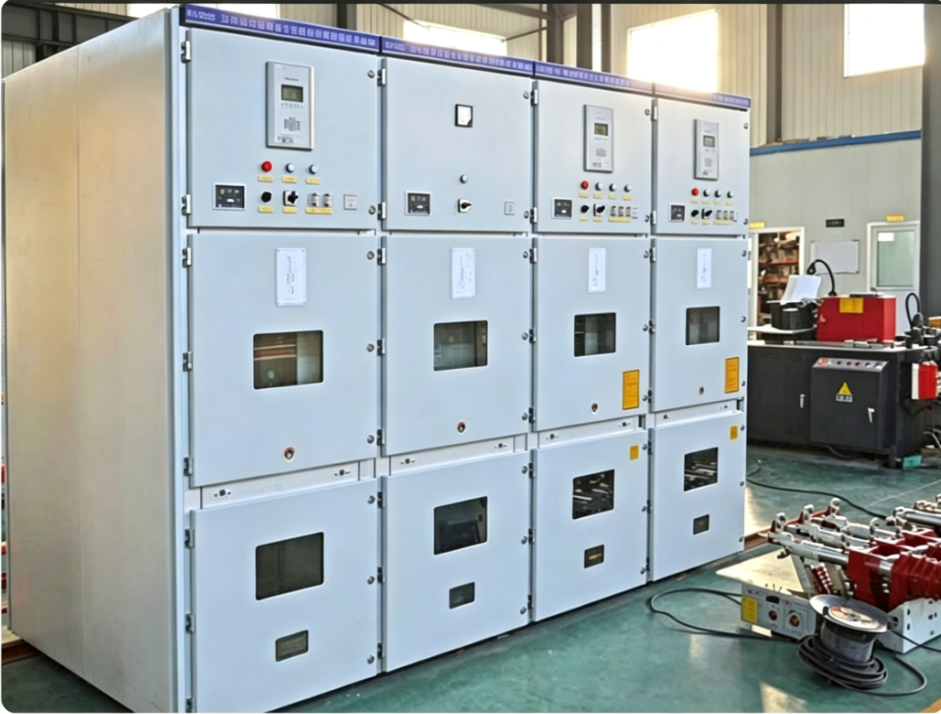
Sharing accurate site conditions with your prefabricated substation supplier is one of the most critical steps in ensuring a smooth project delivery and long-term operational success. The quality of information you provide directly impacts equipment selection, installation planning, cost estimation, and ultimately, the performance of your electrical infrastructure. Many project failures stem not from equipment defects, but from incomplete or inaccurate site conditions data that was never properly communicated during the procurement phase. Understanding what information to share and how to present it professionally can mean the difference between a project that runs seamlessly and one that encounters costly delays, rework, or safety complications.
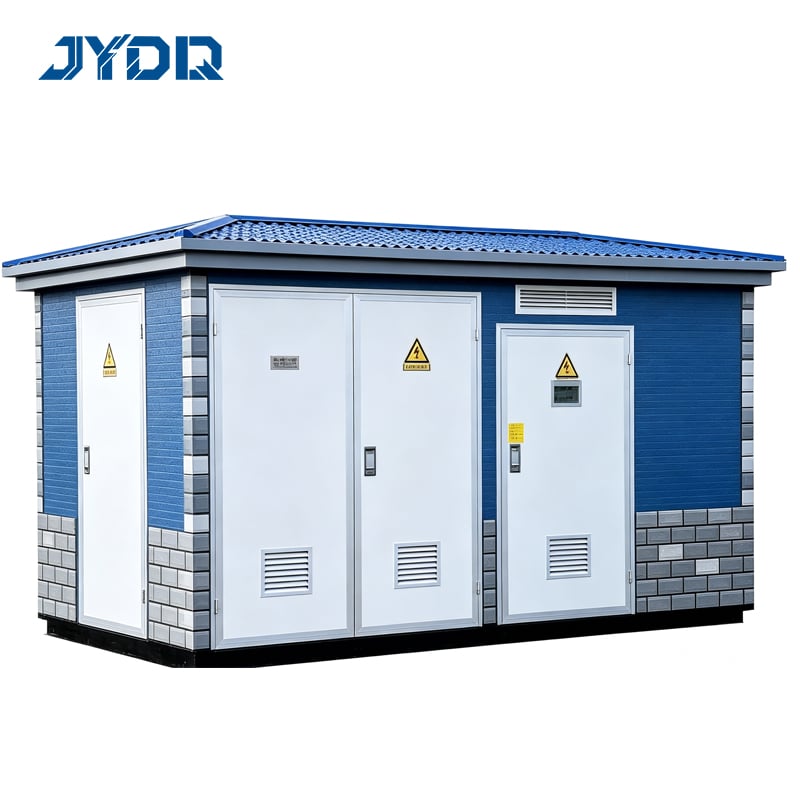
A prefabricated substation supplier relies on detailed project data to design and manufacture equipment that fits your specific operational environment. The supplier cannot make accurate assumptions about your site or guess at your requirements. Instead, they need concrete, measurable information about environmental conditions, spatial constraints, utility demands, and regulatory requirements. Proper technical communication between your organization and the supplier establishes clear expectations, reduces misunderstandings, and accelerates the procurement timeline. This article outlines the essential site conditions, project parameters, and communication protocols you should establish with your supplier from the earliest stages of planning.
Environmental and Geographic Site Conditions
Climate and Weather Exposure
Environmental factors are among the most important site conditions to document. Your supplier must know the ambient temperature range your equipment will experience, including minimum winter temperatures and maximum summer peaks. Humidity levels, particularly in coastal, tropical, or industrial areas, directly affect insulation degradation and corrosion rates. Altitude also matters significantly; installations at high elevations experience reduced cooling efficiency and require equipment derating. If your site is exposed to salt spray, chemical pollutants, or dust-laden air from mining or construction, these conditions must be clearly stated so the supplier can recommend appropriate protective coatings, ventilation designs, and material grades. Snow load, wind speed classifications, and seismic risk zones are equally critical for structural and foundation design. When communicating these site conditions, provide not just averages but extreme values and seasonal variations that the equipment might encounter.
Ground and Foundation Characteristics
Soil type, bearing capacity, and drainage characteristics directly influence how a prefabricated box-type transformer installation will be supported and maintained. Soft or expansive soils may require special foundation preparation or reinforcement that your supplier must account for in the design phase. Project data regarding groundwater levels, flood history, and seasonal water table fluctuations helps the supplier recommend appropriate base elevations and waterproofing measures. If your facility experiences vibration from nearby transportation or industrial equipment, this project data must be shared so the supplier can design vibration-dampening foundations. Accessible site photos showing the actual ground conditions, vegetation density, and nearby structures provide valuable visual context that complements written specifications.
Space Availability and Access Requirements
Physical Dimensions and Layout Constraints
The available footprint for your prefabricated substation installation is a fundamental site condition that constrains all other design decisions. Measure and document the exact dimensions of the installation area, including clearances to buildings, roadways, utilities, and property lines. Your supplier needs to know if space is extremely limited, as this directly affects whether a compact transformer unit or a more spread-out layout is feasible. Height restrictions, overhang clearances, and nearby overhead power lines all represent critical site conditions that influence equipment selection and positioning. Access routes for delivery vehicles must be clearly marked and measured. If the installation site is indoors, in a basement, or atop a building, these spatial constraints become even more important because they may require pre-assembly modifications or special handling procedures. Providing accurate project data through scaled site drawings, GPS coordinates, or professional surveying ensures your supplier designs equipment that will physically fit your space.
Transportation and Installation Access
Documenting site conditions related to equipment delivery and installation is essential for technical communication with your supplier. Identify the nearest point where delivery trucks can approach, the width and height of access routes, and any weight or dimension restrictions on roads or bridges that equipment must cross. If cranes are required, note ground conditions where the crane will be positioned and any overhead obstacles. Restricted access hours, traffic patterns, or neighborhood noise ordinances are project data points that affect installation scheduling and method. Weather-dependent access during certain seasons represents another important site condition; suppliers need to know if installation windows are limited to dry months or if equipment must be protected during installation in high-moisture conditions. The more specific your technical communication is regarding access logistics, the more realistic and accurate your supplier's cost and schedule estimates will be.
Operational and Regulatory Requirements
Electrical Load and Duty Cycle
Your supplier must understand the electrical demands your facility places on the prefabricated box-type transformer system, not just the nameplate capacity but also the actual load profile. Project data should include peak demand, average daily loads, seasonal variations, and any anticipated growth. Specify whether loads are continuous or intermittent, resistive or reactive, and whether harmonics or unbalanced phases are present. This technical communication helps the supplier select transformer sizing, cooling capacity, and protection schemes appropriate for your duty cycle. Harmonic distortion levels, power factor requirements, and any sensitive equipment needing tight voltage regulation must be documented in your site conditions. If your facility operates 24/7 or only during business hours, this affects cooling design and maintenance accessibility. Emergency backup power requirements, load shedding priorities, and fault clearing times all represent critical project data that influence the overall system architecture your supplier recommends.
Codes, Standards, and Regulatory Context
Electrical codes, industry standards, and regulatory requirements vary significantly by region and industry sector, making this aspect of site conditions absolutely essential for technical communication. Your supplier must know which national or international standards apply: IEC, IEEE, NFPA, or local country-specific codes. Environmental regulations regarding oil containment, noise limits, and emissions affect both equipment design and installation layout. Safety standards, particularly in industries like petrochemical, utilities, or data centers, may impose redundancy, monitoring, or grounding requirements beyond standard practice. Building codes, zoning restrictions, and utility interconnection requirements represent project data that shapes the entire procurement and installation approach. If your facility requires certification by a third-party inspector or must comply with a utility's technical specifications, share those documents with your supplier early in technical communication. Regulatory compliance cannot be retrofitted after installation; it must be embedded in the design from the beginning.
FAQ
What are the most critical site conditions to communicate first?
Start with ambient temperature range, available physical space, electrical load requirement, and applicable regulatory standards. These four pieces of project data form the foundation for all subsequent design decisions. Incomplete or incorrect information about these core site conditions creates cascading problems throughout equipment selection, procurement, and installation phases. Always provide measured values rather than estimates, and include seasonal or operational extremes.
How should I organize project data when submitting it to my prefabricated substation supplier?
Create a structured technical communication document that groups site conditions by category: environmental, spatial, electrical, and regulatory. Include measured drawings, photos, specifications, and any third-party requirement documents. Use a checklist to ensure you have covered all key parameters before submission. This organized approach accelerates supplier response, reduces back-and-forth clarification requests, and demonstrates professional project management to your supplier team.
Can site conditions change after I place an order for a prefabricated box-type transformer?
Yes, but changes increase costs and may delay delivery. If site conditions evolve after the order is placed, notify your supplier immediately and provide updated project data. Some modifications can be accommodated with minimal impact, while others may require equipment redesign or re-certification. Establishing clear communication channels for changes and maintaining detailed documentation of site conditions prevents disputes and ensures transparency throughout the project lifecycle.

 EN