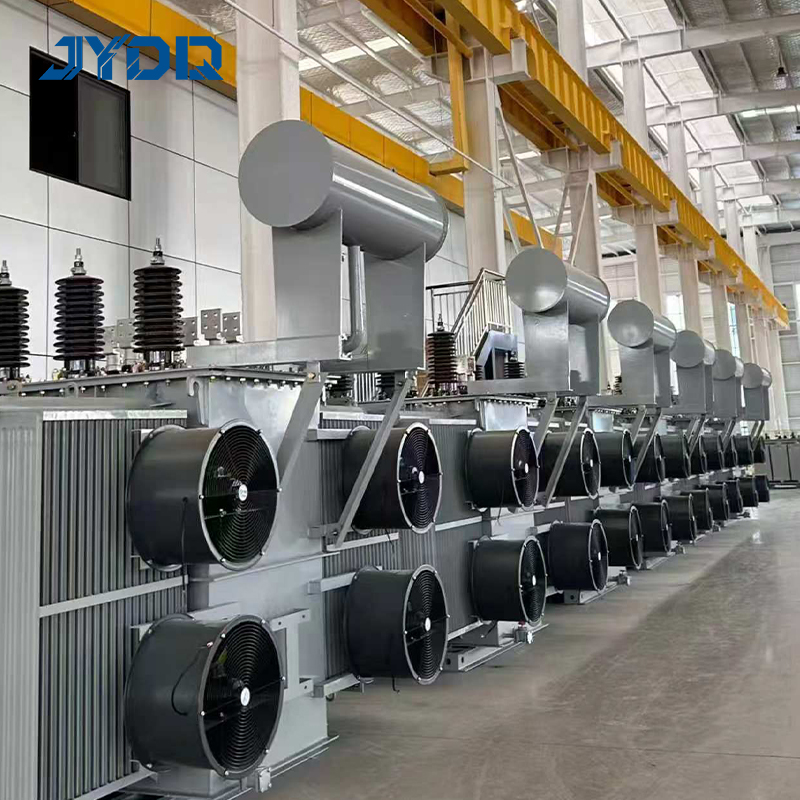
The power distribution landscape is shifting toward sustainability, and the choice between an eco-friendly gas cabinet and conventional switchgear has become a critical procurement decision for industrial facilities. Organizations worldwide face mounting pressure to reduce carbon footprints while maintaining reliable electrical infrastructure. Understanding how these two technologies differ in environmental impact, operational efficiency, and long-term costs is essential for making an informed investment decision that aligns with both regulatory requirements and corporate sustainability goals.
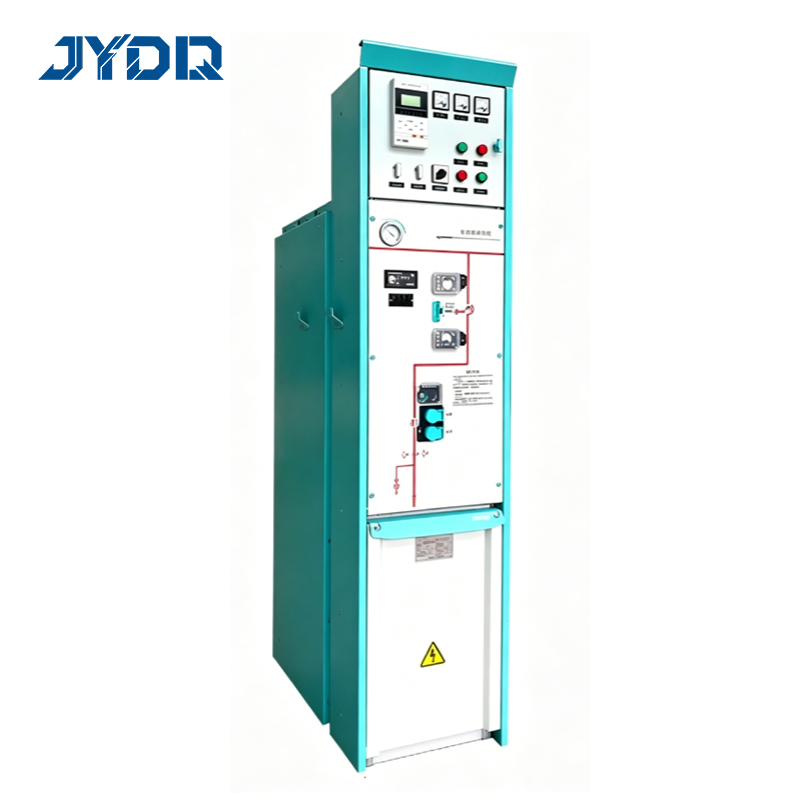
Today's energy transition demands that facilities operators evaluate switchgear comparison metrics beyond simple cost. An Eco-Friendly Gas Cabinet represents a fundamental shift in how power equipment manages gas insulation and operational emissions. Unlike conventional switchgear that often relies on legacy materials with higher global warming potential, modern eco-friendly alternatives employ advanced gas formulations and design principles that substantially reduce environmental risk while delivering comparable or superior electrical performance across industrial applications.
Environmental Impact and Gas Insulation Advantages
Understanding Gas Insulation Technology
Gas insulation has long been the backbone of high-voltage switchgear comparison frameworks in the industry. Sulfur hexafluoride, or SF6, has dominated this space for decades due to its exceptional dielectric strength and arc-quenching properties. However, SF6 carries a global warming potential approximately 23,500 times greater than carbon dioxide, making it a critical environmental concern during switchgear comparison exercises. Eco-friendly alternatives now incorporate gases with significantly lower global warming potential, sometimes achieving reductions of 95 percent or more while maintaining the critical insulating and switching performance that industrial facilities depend upon.
Emission Reduction Through Modern Design
The procurement of modern equipment requires understanding how gas insulation choices directly influence operational emissions. Conventional switchgear often experiences gas leakage rates that accumulate over decades of service, whereas eco-friendly gas cabinet designs feature enhanced sealing systems and leak detection technologies that minimize fugitive emissions. During switchgear comparison, facilities should examine the sealed-for-life guarantee periods and maintenance protocols. Many eco-friendly solutions are engineered to reduce maintenance-related gas venting, eliminate the need for gas recovery during service, and simplify decommissioning processes, thereby supporting both immediate operational sustainability and end-of-life environmental responsibility.
Operational Performance and Reliability Metrics
Switching Speed and Fault Clearing
A critical dimension of switchgear comparison involves evaluating whether eco-friendly gas cabinet technology can match the speed and reliability of conventional systems under fault conditions. Modern eco-friendly designs employ advanced gas mixtures that deliver arc-quenching performance comparable to traditional SF6-based equipment, with fault clearing times remaining within specification ranges required by grid operators and industrial facilities. Procurement teams should verify that eco-friendly alternatives meet the same IEC and IEEE standards for breaking capacity, timing accuracy, and repeatability as conventional switchgear, ensuring no compromise in system stability or protection coordination.
Long-Term Maintenance Requirements
Maintenance strategies differ significantly between conventional switchgear and eco-friendly gas cabinet platforms. Conventional systems often require periodic gas sampling, density monitoring, and occasional gas top-ups, which generate recurring operational costs and potential exposure risks. Eco-friendly solutions typically offer extended maintenance intervals, reduced diagnostic complexity, and simpler component replacement procedures. During procurement evaluation, facilities should calculate the total cost of ownership by factoring in labor, diagnostics, spare parts, environmental compliance costs, and equipment life expectancy. Many organizations find that the slightly higher initial investment in eco-friendly gas cabinet technology yields substantial savings over a 25 to 30-year operational life.
Procurement Strategy and Investment Justification
Regulatory Compliance and Future-Proofing
Environmental regulations governing gas insulation are tightening globally, making switchgear comparison a forward-looking procurement exercise rather than a simple cost arbitrage decision. The European Union's F-Gas Regulation and similar frameworks in North America and Asia-Pacific are progressively restricting high-GWP gases, creating regulatory risk for conventional equipment installations. Facilities that invest in eco-friendly gas cabinet technology today position themselves ahead of future regulatory requirements, avoiding costly retrofits or early retirement of conventional switchgear. Procurement teams should consult regulatory roadmaps specific to their region and industry sector to understand the timeline for conventional switchgear phaseouts and plan capital investments accordingly.
Financial Performance and Risk Management
Switchgear comparison from a financial perspective requires evaluating capital costs, operational expenses, residual value, and regulatory compliance risk across the equipment lifecycle. While eco-friendly gas cabinet solutions may carry a 10 to 20 percent premium over conventional switchgear at purchase, operational efficiency gains, reduced maintenance labor, minimal environmental penalties, and improved asset value retention often offset the initial investment within 8 to 12 years. Facilities should engage in detailed procurement analysis that includes sensitivity testing for energy costs, maintenance wage inflation, regulatory penalty scenarios, and potential obsolescence of conventional equipment. Many organizations discover that eco-friendly alternatives deliver superior risk-adjusted returns when considering the full spectrum of financial and operational factors.
FAQ
What specific gas insulation materials do eco-friendly gas cabinet systems use?
Modern eco-friendly gas cabinet technology employs advanced gas mixtures that may include fluoronitriles, hydrofluoroolefins, or other proprietary formulations engineered to deliver dielectric performance comparable to conventional SF6 while achieving global warming potential values typically 95 to 99 percent lower. The exact composition varies by manufacturer and application voltage, but all eco-friendly alternatives must meet rigorous IEC and IEEE standards for electrical performance, thermal stability, and long-term reliability. During procurement, request detailed gas composition documentation and third-party test reports to verify environmental and performance claims.
How does the switchgear comparison process account for retrofit compatibility with existing infrastructure?
Many eco-friendly gas cabinet designs are engineered with physical footprints and connection standards compatible with conventional switchgear mounting frames, facilitating retrofit scenarios for facilities seeking to modernize equipment without substantial civil works or secondary system redesign. However, switchgear comparison must include detailed engineering assessment of electrical interfaces, control system integration, and testing protocols to ensure compatibility and safety during transition. Procurement teams should work with equipment manufacturers and qualified engineers to develop retrofit specifications and transition plans that minimize operational disruption and regulatory compliance risk.
What procurement factors should drive the decision between eco-friendly gas cabinet and conventional switchgear investments?
The primary procurement drivers include total cost of ownership over the equipment lifecycle, regulatory compliance timeline, operational emission targets, available capital budget, and facility-specific reliability requirements. Switchgear comparison analysis should quantify the financial impact of maintenance labor, diagnostic expenses, regulatory compliance costs, and potential environmental penalties across both technologies, then apply appropriate discount rates and risk factors to generate a net present value comparison. Additionally, procurement decisions should align with corporate sustainability commitments, stakeholder expectations, and long-term facility modernization strategies to ensure investments support both financial performance and strategic organizational objectives.

 EN