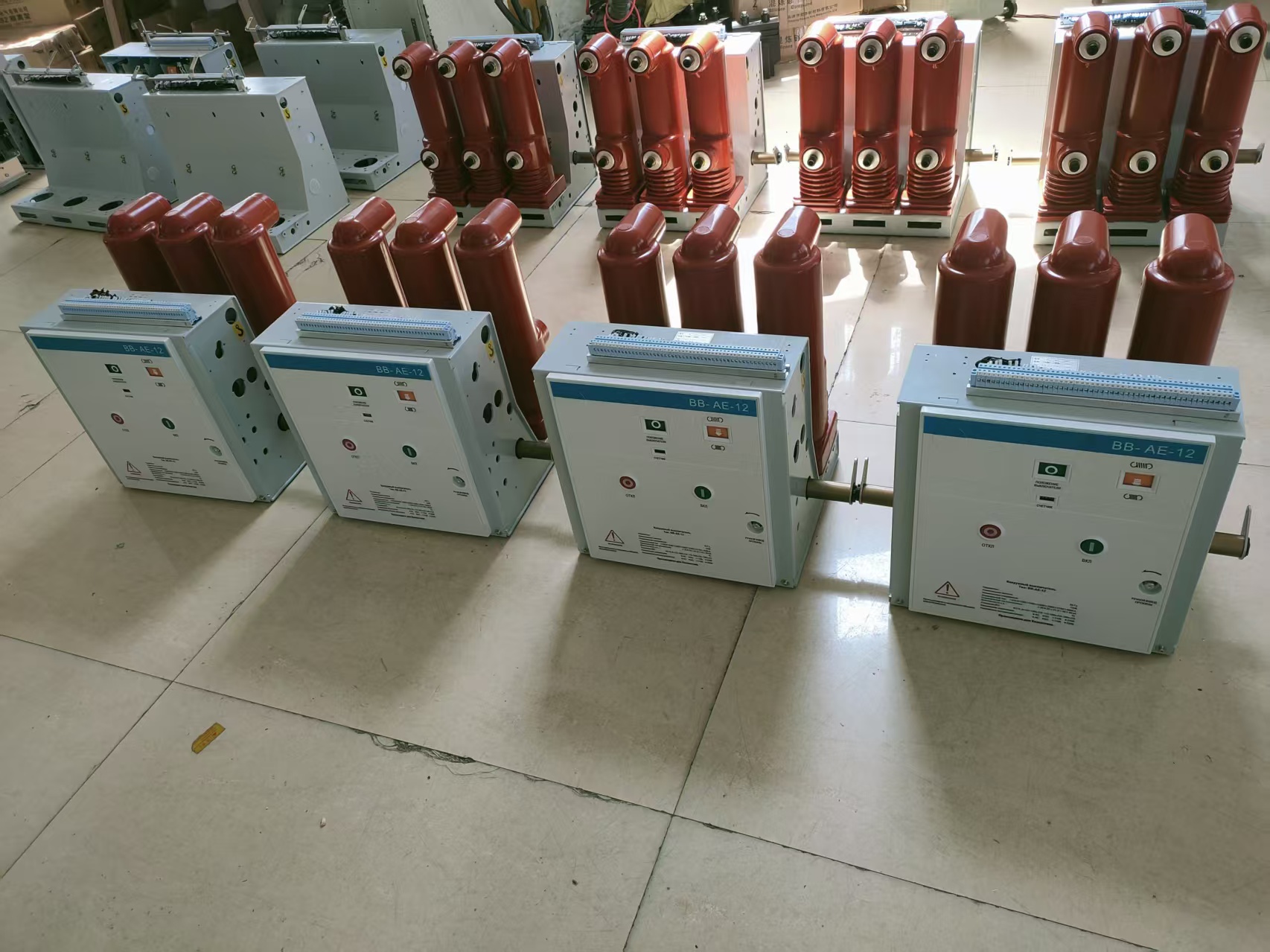
International transportation of industrial equipment requires meticulous attention to detail, especially when moving critical assets like switchgear across borders and continents. After your switchgear completes its journey, a comprehensive post-transport inspection is essential to verify that the equipment arrived in working condition and is ready for commissioning. This inspection process protects your investment, ensures safety compliance, and prevents costly operational failures after installation.
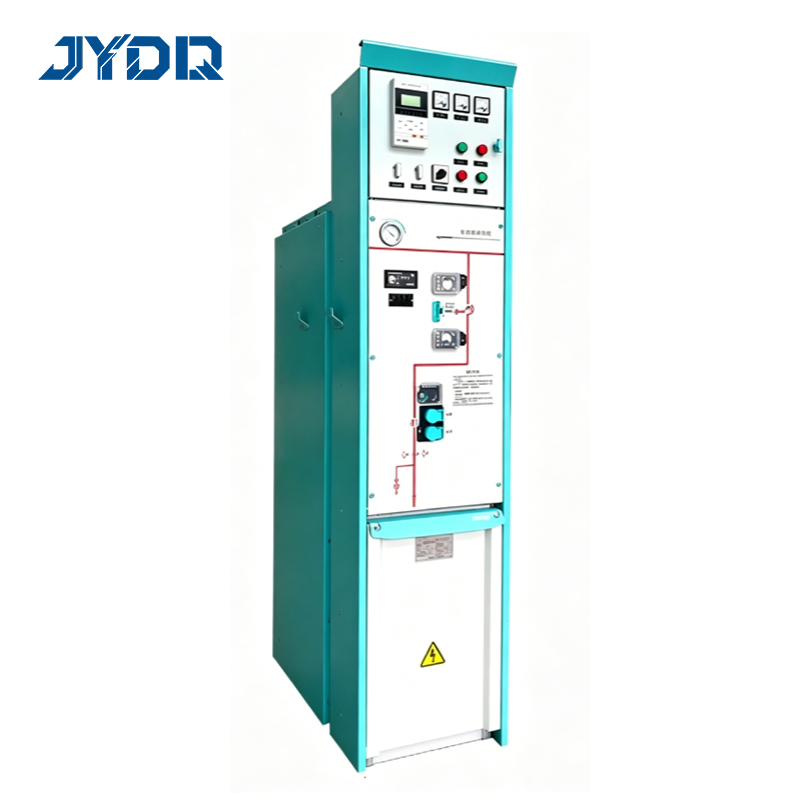
Understanding the proper procedures for transport inspection and receiving your switchgear ensures you catch damage early and document any shipping-related issues before commissioning begins. The stakes are high because faulty switchgear can compromise electrical system safety, disrupt operations, and trigger expensive repairs or replacements. This guide walks you through each critical step of the inspection process.
Initial Receipt and Transport Inspection
Document the Shipping Condition
When your shipment arrives, the first step is to document the overall condition of the packaging and shipping containers. Inspect the exterior for signs of impact, moisture, or environmental damage before opening anything. Take photographs of the complete package, noting any visible dents, tears, water stains, or other indicators that the shipment may have experienced rough handling during transport. This photographic evidence becomes critical if you need to file damage claims with the shipping carrier.
Check that all seals and tamper-evident markings remain intact on the shipping containers. Verify that the shipment identification numbers and labels match your purchase order and bill of lading. Record the date and time of receipt, and identify any missing or extra boxes that might indicate incomplete delivery. Thorough transport inspection documentation protects you legally and helps establish the baseline condition immediately after shipping concludes.
Verify Package Contents and Serial Numbers
Open the containers carefully and inventory every component against the packing list and delivery documentation. Check that all transformer units, circuit breakers, control panels, cable assemblies, and accessories match the expected quantities and part numbers. Locate and photograph the serial number plates on major switchgear components, then cross-reference these against your purchase agreement and shipping manifests. Mismatched or missing serial numbers can indicate substitution or diversion during shipping.
Examine the protective packaging materials inside the shipping containers. Look for evidence that internal foam, wooden supports, or cardboard separators have shifted, compressed, or failed to cushion the equipment. If internal packaging materials show damage or movement, it suggests the switchgear may have experienced shock or vibration during transport. Document any packaging failure as part of your transport inspection, as this evidence supports claims if internal damage is later discovered.
Detailed Electrical and Mechanical Assessment
Inspect External Surfaces and Enclosures
After unboxing, perform a systematic visual inspection of all external surfaces of the switchgear enclosure. Look for dents, scratches, cracks, paint chips, or corrosion that might have developed during shipping or storage. Check door seals, hinges, latches, and viewing windows for damage or misalignment. Verify that all visible fasteners, terminal covers, warning labels, and identification tags remain securely attached and readable.
Inspect cable entry points and conduit connections for damage or contamination. Look for evidence of moisture infiltration, dust accumulation, or insect entry that might have occurred during transport. Open inspection doors if accessible and check interior surfaces for dust, debris, or condensation. These observations indicate whether environmental controls during shipping were effective and whether the switchgear requires additional cleaning before commissioning.
Test Mechanical Operation and Movement
Carefully operate all mechanical components, including door mechanisms, circuit breaker handles, selector switches, and disconnect levers, to confirm smooth operation without binding or resistance. Move components through their full range slowly and deliberately, listening for unusual noises or feeling for unexpected friction that could indicate misalignment or internal damage from transport. Never force any stuck components; instead, document the restriction and investigate the cause before proceeding.
Check that all moving parts return to their neutral or home positions correctly after actuation. Verify that indicator windows display the correct operational status and that mechanical interlocks prevent unsafe operating sequences. If the switchgear was secured with shipping bolts or temporary fasteners for transport, carefully remove these after documenting their presence. Any damage discovered during mechanical testing should be recorded and reported to the shipping carrier immediately, as this affects your ability to file damage claims.
Perform Insulation and Continuity Testing
Before energizing the switchgear, conduct dielectric strength tests and insulation resistance measurements on all high-voltage circuits and grounding systems. Use appropriate test equipment, such as insulation testers and digital multimeters, calibrated to industry standards. Document all baseline resistance values and compare these against manufacturer specifications and pre-shipping baseline measurements if available. Significant deviations may indicate moisture absorption, contamination, or internal damage during transport.
Test continuity on all grounding and bonding paths throughout the switchgear to confirm electrical integrity of safety circuits. Verify that all terminal blocks, cable connections, and internal conductors maintain proper contact and resistance values. Use a megohmmeter to measure insulation resistance across critical circuits and compare results to manufacturer minimums. These tests provide quantitative evidence of the switchgear's electrical condition immediately after shipping and establish the baseline for commissioning.
Documentation, Safety Checks, and Commissioning Readiness
Create a Comprehensive Inspection Report
Compile all transport inspection findings into a formal inspection report that documents every aspect of the post-shipping assessment. Include photographs of packaging, shipping damage if present, serial numbers, test measurements, mechanical operation observations, and any anomalies discovered during your assessment. Reference the original manufacturer's specifications and pre-shipping baseline data to establish whether the switchgear meets acceptance criteria. This report becomes your official record of equipment condition and your evidence for any warranty or damage claims.
Identify any issues that require manufacturer attention, spare parts, or corrective measures before commissioning can proceed safely. Categorize findings as critical safety issues that prevent operation, minor cosmetic damage that does not affect function, or items requiring adjustment or calibration. If serious damage is discovered, contact the carrier and manufacturer immediately to document the claim and obtain repair authorization or replacement options.
Verify Compliance and Prepare for Commissioning
Confirm that all required documentation has arrived with the shipment, including test certificates, calibration records, wiring diagrams, operation manuals, and spare parts lists. Verify that any factory commissioning or pre-delivery inspections were completed and properly documented by the manufacturer. Check that the switchgear arrives at the correct voltage, frequency, and configuration specified in your purchase order. Any discrepancies must be resolved with the supplier before accepting the equipment or proceeding to commissioning.
Ensure that environmental conditions at your installation site meet manufacturer requirements for temperature, humidity, and cleanliness during storage before final commissioning. If the switchgear will be stored temporarily before installation, implement protective measures such as desiccant packs, sealed covers, and climate-controlled storage areas. Schedule the formal commissioning process only after all transport inspection items have been resolved and the switchgear has passed all acceptance tests. This disciplined approach minimizes risks and ensures reliable long-term performance of your electrical infrastructure.
FAQ
What should I do immediately if I discover shipping damage to my switchgear?
Document all damage with photographs and measurements before moving the equipment. Contact the shipping carrier within the required timeframe, typically 48 to 72 hours, to formally report the damage and preserve your rights to file a claim. Notify the manufacturer or supplier of the damage to understand warranty coverage and obtain repair or replacement authorization. Do not attempt repairs yourself unless explicitly authorized, as this may void warranty coverage. Keep all packaging materials and damaged components as evidence for the carrier and manufacturer investigations.
How do I know if internal contamination occurred during transport?
Open access doors and visually inspect interior surfaces for dust, debris, moisture, or corrosion patterns that differ from factory condition. Use a moisture meter to measure humidity levels inside sealed compartments. Compare your observations against factory photographs or pre-shipping inspection reports if available. Conduct insulation resistance testing to identify moisture absorption or contamination on high-voltage components. If contamination is suspected, perform a detailed cleaning and re-test before commissioning to ensure safe operation of the switchgear.
When is the switchgear ready for commissioning after transport inspection?
The switchgear is ready for commissioning only after all transport inspection tests pass, any damage has been repaired or resolved, environmental conditions at the installation site are acceptable, and all required documentation has been verified complete. Confirm that mechanical operation is smooth, insulation resistance meets manufacturer specifications, and external condition is acceptable. Coordinate with your commissioning team to schedule the formal startup process once all these acceptance criteria are satisfied and the inspection report is finalized and approved.

 EN