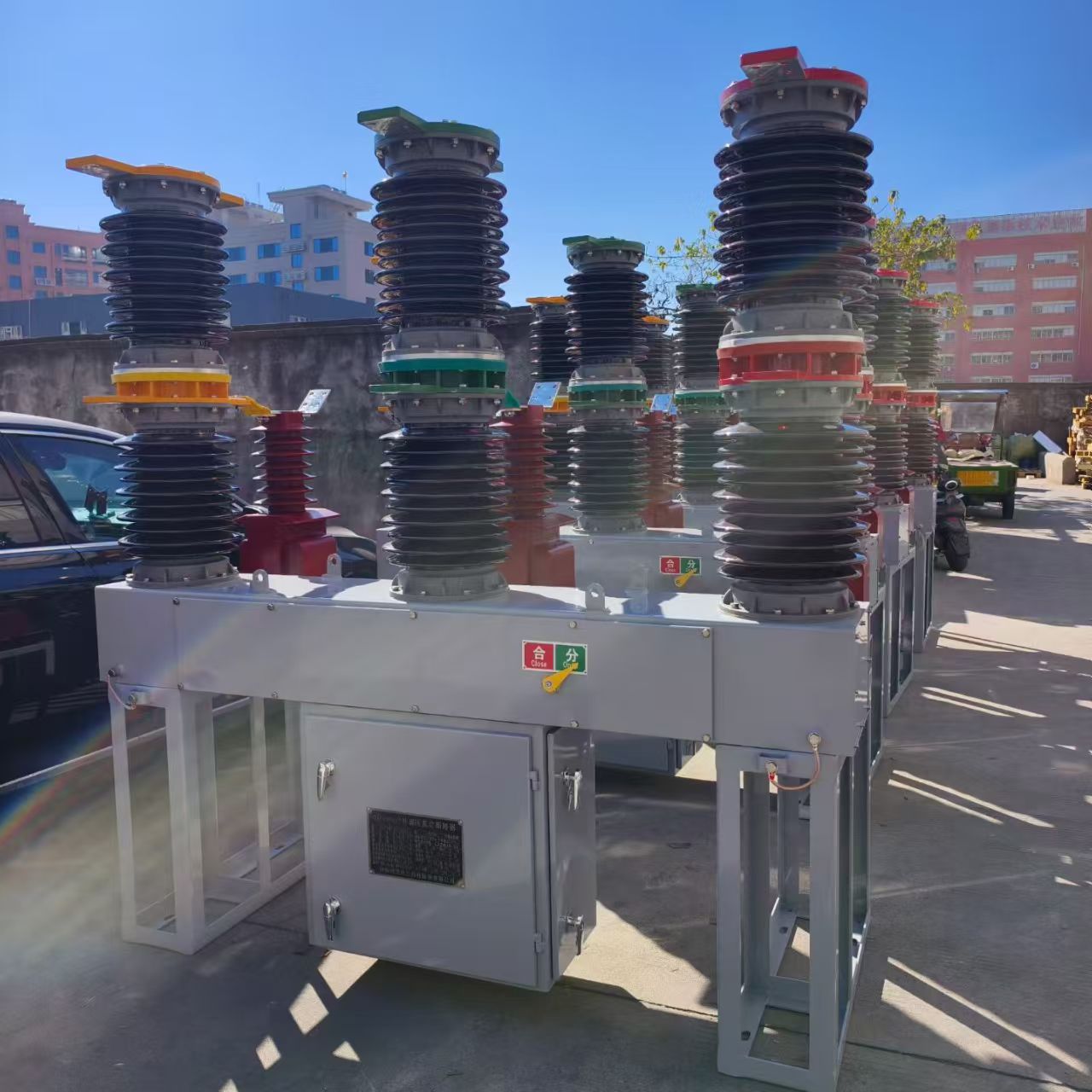
Selecting the right vacuum circuit breaker for your substation project requires more than choosing the lowest bid. A structured comparison of quotations ensures you receive equipment that meets technical specifications, reliability standards, and long-term operational needs. This guide walks you through the essential evaluation process for substation procurement decisions.
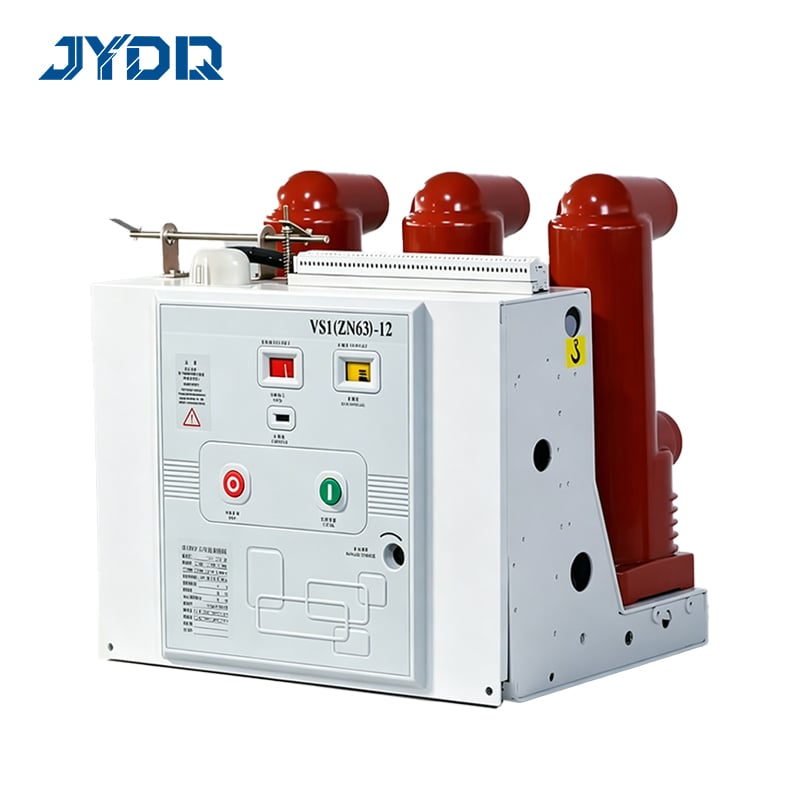
Comparing vacuum circuit breaker quotations involves evaluating technical performance, cost structure, warranty terms, and supplier capability. Industrial substations depend on reliable switchgear to maintain power delivery and protect equipment from faults. Understanding how to analyze quotations protects your capital investment and ensures operational continuity throughout the equipment lifecycle.
Understanding Key Specifications in Vacuum Circuit Breaker Quotations
Electrical and Operating Parameters
Every quotation for a vacuum circuit breaker must clearly specify voltage rating, current capacity, and breaking capability. Substation projects require precise alignment between equipment ratings and system design. Check that the rated voltage matches your distribution network, the continuous current rating accommodates peak loads, and the interrupting capacity exceeds the calculated short-circuit level at your substation location. Suppliers should provide detailed technical data sheets showing these core parameters alongside test certification records.
Design and Construction Details
Quality vacuum circuit breaker quotations include information about the vacuum interrupter technology, operating mechanism type, and control system architecture. Indoor designs suitable for substation environments typically feature weatherproof enclosures and advanced mechanisms that reduce maintenance intervals. Review whether the quotation specifies manual or motorized operation, the control voltage options, and compatibility with your existing substation SCADA systems. Transparent quotations from reputable suppliers clearly document these mechanical and control characteristics.
Evaluating Cost Components and Total Procurement Economics
Breaking Down Quotation Pricing
A complete vacuum circuit breaker quotation separates equipment cost, installation labor, shipping, testing, and commissioning charges. Substation procurement teams must analyze each line item to understand true project economics. Base equipment cost reflects manufacturing complexity and quality standards, while auxiliary costs vary by site location and project scope. Request itemized quotations from competing suppliers to identify cost drivers and ensure transparent pricing. Hidden costs in commissioning or spare parts often emerge after project award, so detailed quotation structure prevents budget surprises.
Warranty and Service Economics
Long-term operating costs depend heavily on warranty coverage, maintenance requirements, and parts availability. Compare quotations by examining warranty period length, coverage scope for both vacuum interrupters and mechanical components, and response time for emergency support. Vacuum circuit breaker quotations from established suppliers typically include extended warranty options and preventive maintenance packages that reduce lifetime ownership cost. Calculate the total five-year cost including maintenance labor, replacement parts, and potential downtime risk rather than selecting based solely on initial purchase price.
Supplier Capability and Project Risk Assessment
Verifying Technical Capability and Standards Compliance
Quotations must reference compliance with IEC standards, national electrical codes, and substation safety regulations. Request that suppliers provide third-party test reports confirming vacuum circuit breaker performance under short-circuit conditions and thermal stress cycles. Review their quality certifications, manufacturing facility audits, and experience delivering equipment for similar substation voltage classes. Quotations from suppliers lacking documented compliance history carry hidden risks that low pricing cannot offset. Substation projects require equipment suppliers with proven technical capability and transparent documentation.
Delivery Timeline and Supply Chain Reliability
Compare quoted delivery schedules and assess supplier ability to meet critical path requirements. Vacuum circuit breaker quotations should specify manufacturing lead time, quality inspection duration, and shipping logistics. Suppliers with global distribution networks and local inventory typically offer faster delivery and lower risk of project delays. Evaluate whether the quotation includes expedited shipping options or stock availability for emergency replacements during the first two years of operation. Supply chain disruptions have become common, so procurement teams must verify supplier capacity before committing to tight substation project schedules.
Technical and Commercial Assessment Framework
Creating a Quotation Comparison Matrix
Develop a structured comparison framework scoring quotations across technical conformance, commercial terms, and supplier reputation. Weight the evaluation criteria based on your substation project priorities, allocating percentage scores for equipment specifications, total cost of ownership, warranty terms, and delivery schedule. This systematic approach prevents bias toward lowest-price quotations and ensures objective decision-making. Document your evaluation methodology so stakeholders understand why specific quotations rank higher for substation procurement. A well-structured matrix becomes valuable documentation for project governance and future equipment selections.
Requesting Clarifications and Revisions
Initial quotations often contain ambiguities or incomplete specifications. Issue formal request for information documents asking suppliers to clarify warranty scope, spare parts pricing, training provisions, and technical support availability. Quotations may require revision after clarification exchanges, so allow adequate time for iterative refinement. Substation projects benefit from detailed supplier engagement early in the quotation phase, reducing misunderstandings during contract negotiation. Professional procurement teams recognize that thorough quotation analysis prevents expensive change orders and performance disputes downstream.
FAQ
What specifications are most critical when evaluating vacuum circuit breaker quotations?
Voltage rating, current capacity, interrupting duty rating, and operating mechanism type are fundamental. Ensure quotations specify vacuum interrupter design, mechanical durability characteristics, and control system integration requirements. Compliance certifications and test documentation validate that suppliers meet your substation standards. Request detailed technical sheets before final quotation acceptance.
How should substation teams compare quotations from different suppliers?
Use a weighted scoring matrix evaluating technical conformance, total cost of ownership including maintenance, warranty duration, delivery schedule, and supplier capability. Assign percentage weights reflecting your project priorities. Compare quotations on equivalent technical basis rather than lowest price alone. Request itemized quotations showing equipment, labor, shipping, testing, and commissioning charges separately for transparent analysis.
What warranty and support terms should be included in vacuum circuit breaker quotations?
Quotations should specify warranty period length, coverage for vacuum interrupters and mechanical components, emergency response time, and availability of replacement parts. Evaluate whether suppliers offer preventive maintenance packages and extended warranty options. Document spare parts pricing and supplier commitment to support equipment throughout its operational lifespan. Strong warranty terms reduce long-term ownership costs and operational risk for substation projects.

 EN