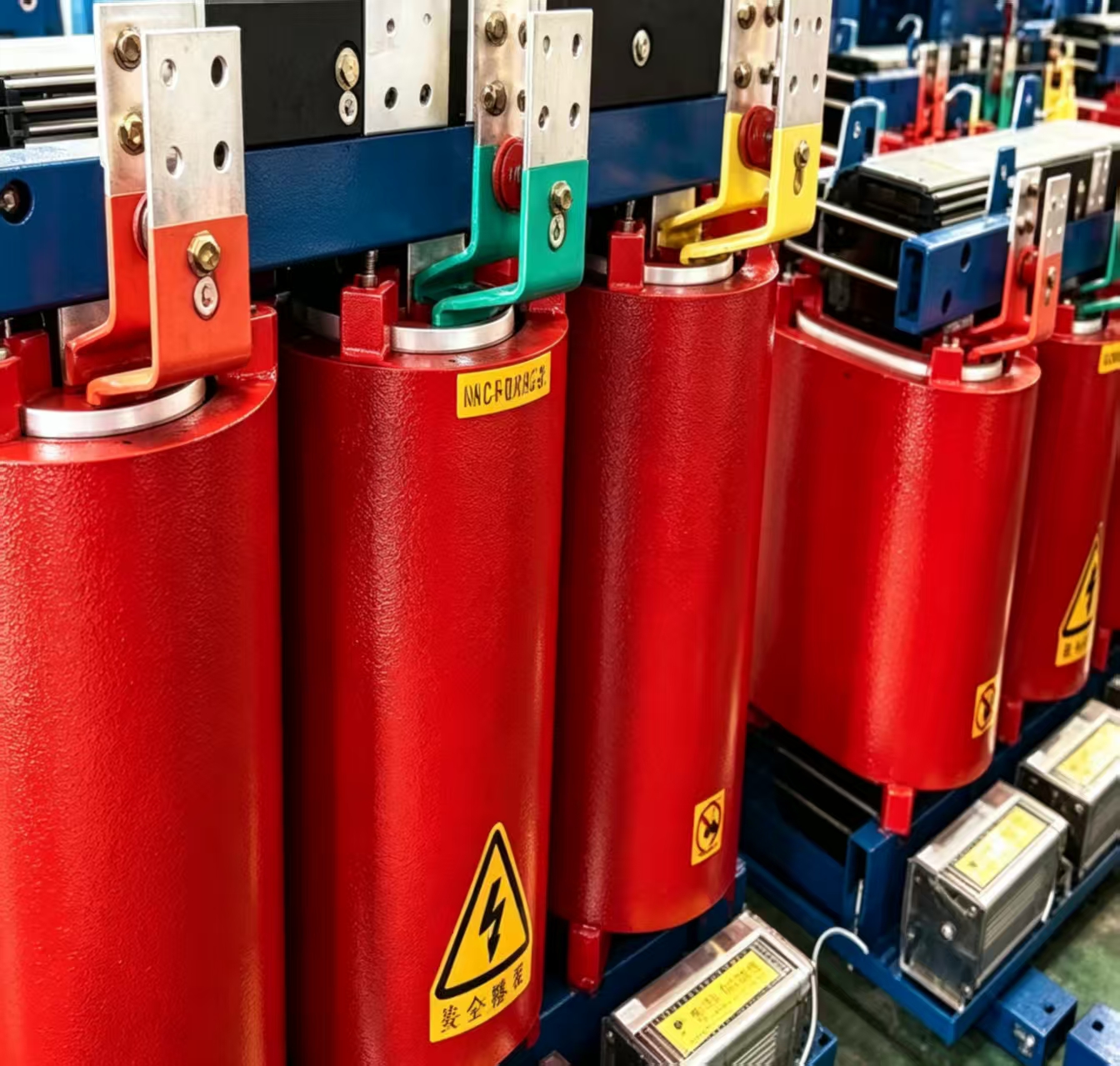
Yes, a dry-type transformer can operate in parallel with other transformers under specific conditions, but this configuration demands careful technical planning and rigorous parameter matching. Parallel operation allows multiple transformers to share electrical load, improving reliability and providing redundancy in industrial power distribution systems. However, improper parallel operation can result in circulating currents, unequal load sharing, efficiency losses, and accelerated equipment degradation. Understanding the fundamental requirements for parallel transformer operation is essential for engineers, facility managers, and electrical system designers.
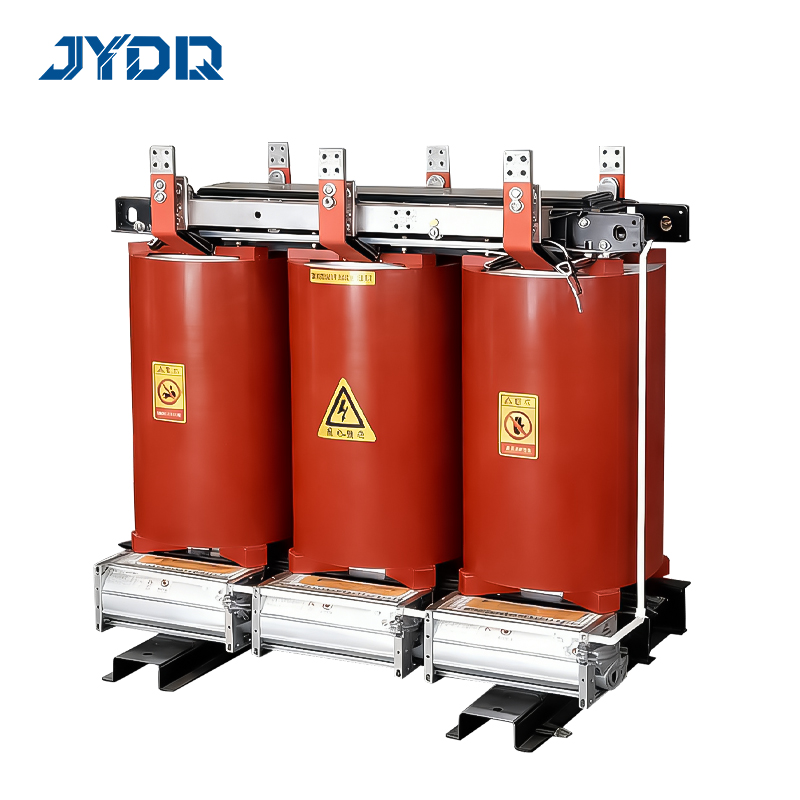
For dry-type transformers to operate safely in parallel, several technical conditions must be satisfied simultaneously. These transformers must have identical rated voltage and power capacity, matching core designs, compatible cooling systems, and precise impedance characteristics. The success of parallel operation depends on meeting these stringent requirements while maintaining proper electrical system design and operational monitoring protocols throughout the equipment lifecycle.
Impedance Matching Requirements for Parallel Operation
Understanding Impedance in Parallel Transformer Systems
Impedance is the most critical parameter when connecting multiple dry-type transformers in parallel. Each transformer has internal impedance that determines how it responds to current flow and voltage changes. When transformers operate in parallel, their impedance values must be closely matched to ensure proper load sharing and prevent harmful circulating currents between units. Impedance mismatch creates unequal current distribution, where the transformer with lower impedance carries disproportionately more current than its paired unit, leading to thermal stress and premature failure.
Calculating and Verifying Impedance Values
Impedance values are typically expressed as a percentage of the transformer's rated capacity and vary between 4% and 10% for most industrial dry-type transformers. When planning parallel operation, impedance values should differ by no more than 5% to 10% between units to maintain acceptable load sharing. Engineers must obtain precise impedance specifications from manufacturer documentation and verify these values through short-circuit testing before connecting transformers in parallel. This verification process confirms that the transformer impedance characteristics meet design standards and remain within acceptable operational parameters for load sharing applications.
Load Sharing Principles and Voltage Regulation
How Load Sharing Works in Parallel Configuration
Load sharing refers to the distribution of electrical current and power among multiple transformers connected in parallel to a common load. When impedance values match, current distributes proportionally based on each transformer's rated capacity. A dry-type transformer with 500 kVA capacity and another with equal rating will ideally split a 1000 kVA load equally when impedance is matched. Unequal impedance disrupts this distribution, causing the lower-impedance unit to attract more current and heat, while the higher-impedance unit operates at partial capacity. Effective load sharing maximizes system efficiency, distributes thermal stress evenly, and extends equipment lifespan across the parallel transformer bank.
Voltage Regulation and Secondary Winding Connections
Voltage regulation capability must also be considered when operating dry-type transformers in parallel. Both units should have identical voltage regulation characteristics to maintain stable secondary voltage under varying load conditions. The secondary windings of parallel transformers must be connected with proper polarity and phase alignment to prevent short-circuit conditions. Primary windings require matching connection type, whether delta or wye configuration, to ensure voltage phase relationships align correctly. Transformer manufacturer nameplate data clearly specifies these connection details and polarity markings, which must be verified before energizing the parallel system.
Technical Specifications and Installation Considerations
Rated Power Capacity and Cooling System Compatibility
For parallel operation success, dry-type transformers must have identical or closely matched rated power capacity. Operating transformers with significantly different kVA ratings in parallel creates inherent imbalance because the higher-capacity unit naturally attracts more load regardless of matching impedance. Cooling systems must also be compatible; both transformers should employ the same cooling method, whether natural air cooling or forced-air ventilation. Mismatched cooling capabilities lead to uneven temperature distribution across the transformer bank, with one unit operating at excessive heat while the other remains underutilized. Regular monitoring of winding temperatures through temperature indicators ensures each transformer operates within manufacturer-specified safe operating limits.
Installation Layout and Mechanical Requirements
Physical installation of parallel dry-type transformers requires adequate spacing to allow proper air circulation and independent cooling performance. Transformers should be mounted on fire-resistant bases with sufficient clearance from surrounding equipment, walls, and structural elements. Electrical connections between primary power source and transformer inputs must use identical conductor sizes and routing lengths to minimize impedance variations caused by cable differences. The parallel branch connections should be symmetrical, with each transformer having equal wire length to the common load connection point. This symmetrical layout prevents circulating currents that develop when connection path impedance differs between parallel units. Proper grounding and bonding of all transformer enclosures ensures electrical safety and protects personnel from shock hazards.
Operational Monitoring and Safety Protocols
Continuous Load Monitoring and Current Distribution Analysis
Once dry-type transformers enter parallel operation, continuous monitoring of load distribution becomes essential for maintaining system reliability. Current transformers installed on each unit's secondary side allow measurement of individual transformer currents, confirming that load sharing remains balanced. Modern power monitoring systems provide real-time data on current magnitude, distribution ratio, and thermal status across the transformer bank. If current imbalance exceeds 10% between parallel units, immediate investigation is warranted to identify impedance drift, cooling system malfunction, or connection integrity problems. Early detection of load-sharing deviation prevents cascading failures that would damage the transformer with excessive current burden.
Maintenance and Testing for Continued Parallel Operation
Preventive maintenance includes periodic impedance re-testing to confirm that transformer characteristics remain stable throughout operational life. Thermal imaging identifies hot spots on individual transformers that indicate unequal current distribution or cooling system degradation. Oil or coolant analysis, where applicable, reveals internal faults developing within parallel transformers before catastrophic failure occurs. Insulation resistance testing verifies that winding integrity remains acceptable and no moisture infiltration has occurred. Documentation of all test results establishes baseline performance data for trending analysis and enables early intervention when transformer condition deteriorates. Following manufacturer maintenance schedules and conducting tests at recommended intervals ensures parallel transformer systems operate safely and deliver expected performance throughout their designed operational life.
FAQ
What impedance difference is acceptable between parallel dry-type transformers?
Generally, impedance values should not differ by more than 5% to 10% between parallel transformers to achieve acceptable load sharing. Most industry standards recommend that impedance mismatch remain within 10% maximum. Transformers with impedance differences exceeding this limit will exhibit significant load imbalance, where the lower-impedance unit carries 60% or more of the total current while the higher-impedance unit operates at reduced capacity. Before commissioning parallel operation, verify impedance specifications from manufacturer documentation and conduct short-circuit testing to confirm compliance with your system design parameters.
Can dry-type transformers with different kVA ratings operate in parallel?
While technically possible under specific conditions, operating dry-type transformers with significantly different kVA ratings in parallel is not recommended for most applications. When ratings differ substantially, load distribution becomes unpredictable and efficiency suffers. For example, parallel operation of a 500 kVA unit with a 1000 kVA unit creates imbalance because the larger transformer naturally attracts more load. If parallel operation of different-rated transformers is necessary, matching impedance percentages becomes even more critical, and load sharing will favor the higher-capacity unit. Consult transformer manufacturers and system design engineers to evaluate feasibility and develop appropriate monitoring protocols for such configurations.
How does parallel transformer operation affect cooling and thermal performance?
Parallel operation doubles the total heat generation compared to a single transformer, requiring adequate facility ventilation and cooling infrastructure. Both transformers must have identical or compatible cooling systems, whether natural air cooling or forced-air fans. Unequal load sharing creates thermal imbalance where one transformer generates excessive heat while the other remains cool, potentially leading to localized overheating and reduced equipment lifespan. Proper spacing between transformers allows independent air circulation around each unit. Temperature monitoring through winding thermometers on each transformer ensures both units operate within safe limits. Inadequate cooling capacity will cause paralleled transformer systems to fail faster than expected.

 EN